A sleep bonnet can look fine on the first night and become a very different product after washing. The band may feel looser, the fabric may feel coated, a drawstring can pull through, or a printed surface can no longer match the product photos that persuaded the buyer to purchase. These are not just care inconveniences. They are part of the product experience a shopper is buying and a small brand is responsible for describing.
The starting point is the sewn-in label. A bonnet should be cared for according to its actual fibre content, construction, closure, trim, and decoration—not according to a generic social-media routine. If the label says hand wash, a mesh bag or delicate cycle does not override that instruction. If it says machine wash, the rest of the instructions still matter: water temperature, drying method, and whether the closure needs attention.
For consumers, the goal is to use the label first, then make simple choices that avoid obvious snagging, twisting, or unnecessary heat. For brands, the goal is stronger: create care wording that accurately matches the tested sample and can be repeated on the product page, package insert, and future reorder.
This guide gives a care-label checklist rather than a one-size-fits-all washing recipe. Silk, polyester satin, blends, elastic, drawstrings, printing, and layered constructions can have different needs. When in doubt, follow the item’s own current label or ask the seller for clarification before experimenting.
Read the care label before you choose a wash method
Care labels do not have to be lengthy to be useful. At minimum, they should tell the buyer how to wash, whether bleaching is allowed, how to dry, and whether ironing or dry cleaning is appropriate. If a bonnet has a special component—such as a coated print, elastic tie, adjustable cord, decorative trim, or mixed-fibre construction—the label should not contradict the care advice needed for that component.
Start by locating the label while the bonnet is new. Take a clear photo of it, especially if the print is small. Product listings can change and paper inserts can be lost. A label photo gives you the wording that applied to your actual item at the time you bought it.
Next, compare the label with the online listing. If the title says “silk” but the label does not state fibre content, do not guess. If a product page promises machine-wash convenience while the label says hand wash only, use the more conservative instruction until the seller explains the difference. A care-label conflict is a product-information issue, not something a buyer should solve through trial and error.
For brands, this comparison should happen before the first production order. A sample label cannot be an afterthought. The sampled fabric, closure, decoration, and final care language have to agree. Otherwise, a customer may receive the correct product with incorrect instructions—or instructions that are right for an earlier sample but not for the final version.
A shopper’s low-risk care routine
If the care label permits washing, begin with the gentlest instruction that applies to your item. Separate the bonnet from abrasive hardware, garments with rough fasteners, and items likely to shed lint. Turn it or close it as the manufacturer directs. Do not assume every satin-looking item should be treated exactly like every other one.
For hand washing, use a clean basin and follow the label’s water-temperature guidance. Move the item gently through the water rather than scrubbing a gathered edge or pulling on a tie. Rinse thoroughly according to the label. To remove excess water, press or support the fabric instead of twisting the bonnet into a tight rope. Twisting can put extra strain on seams, elastic casings, and drawstring channels.
If the label expressly allows a machine cycle, a suitable mesh laundry bag can help separate the bonnet from other items during the wash. It is an accessory, not a guarantee against damage. Do not overfill the bag, and make sure a zipper or closure cannot snag the bonnet. A wash bag does not make a prohibited hot cycle, aggressive detergent, or heat drying appropriate.
Use a detergent that matches the label and the fabric. A delicate-fabric wash option can be a useful comparison point for shoppers who need a product intended for gentle laundry, but the live product page and your bonnet label should determine what is suitable. Avoid adding treatments just because they are popular online. A fragrance, softener, stain treatment, or conditioner can leave residue or be unsuitable for a particular fabric or trim.
Drying is often where a bonnet’s fit changes. Follow the label. If it calls for air drying, reshape the band and body gently before leaving it to dry. Keep drawstrings, ties, and elastic in their normal orientation rather than stretching them around a hanger. Do not use direct heat merely because the bonnet feels thin; the fabric and its stretch components may respond differently.
Check the closure before and after every wash
The closure is usually the first part of a bonnet to change the fit. That does not mean every loose band is caused by washing, but the before-and-after check is simple and useful.
Before washing, look at the elastic, tie ends, drawstring channel, toggle, stitching, and any edge binding. Is the elastic twisted? Are the stitches loose where a tie joins the body? Is a cord already sliding out of its channel? Is a toggle cracked or hard to move? Note existing damage before you wash so you do not assume the wash caused an older issue.
After drying, check the same points. Put the bonnet on at a comfortable setting and see whether the closure still works as designed. Do not solve a changed fit by pulling the tie dramatically tighter or adding improvised pins, clips, or knots that the product was not built to use. If the closure is no longer stable or feels uncomfortable, stop relying on that setting and consider a different product or a replacement.
For a brand, make this a sample-test step. Record the closure setting before washing, wash according to the intended label, dry according to the intended label, and compare the fit and operation after the sample is dry. The test is not a claim that the product will last for a specific number of cycles. It is evidence that the care instruction was considered before the label was printed.
Do not separate cleanliness from product condition
Some customers wash a bonnet because it feels coated, smells different, collects lint, or transfers hair product. Others wash it on a fixed schedule. The correct frequency depends on actual use, hair products, personal preference, and the manufacturer’s guidance. The important point is that a “clean” bonnet is not automatically in usable condition.
After washing, inspect the inside surface, seams, and edge. Look for rough areas, visible thread, residue, changed texture, colour transfer, persistent odour, or a closure that no longer operates as intended. If you see a problem, do not hide it by adding stronger chemicals or stretching the band more. Check the seller’s care guidance and return policy while you still have the purchase record.
For a brand, these observations become product-development data. If sample users report that an elastic edge loses recovery, a print fades, a tie frays, or a product feels coated after label-directed care, do not treat that solely as a customer-care problem. Investigate the material, construction, label wording, and packaging claims. A complaint may indicate that the care instruction needs clarification, that a component needs a different specification, or that the product needs a different use-case statement.
The six care-label details a brand must approve
Before a bonnet enters production, check that these details exist and agree with each other.
| Care-label item | What the brand should verify | Why it matters |
|---|---|---|
| Fibre statement | Matches the exact sampled layer or layers | Prevents vague material claims |
| Wash instruction | Matches the tested fabric, closure, and decoration | Gives buyers a usable routine |
| Drying instruction | Matches the components most likely to change shape | Helps preserve intended fit |
| Closure note | Addresses ties, elastic, drawstrings, or hardware where relevant | Reduces avoidable misuse |
| Package copy | Does not contradict the sewn-in label | Keeps claims consistent |
| Product-page copy | Explains the construction without inventing performance results | Sets a realistic expectation |
This is not a request to turn every product label into a long manual. A concise label can be excellent when it is accurate. The fuller explanation can live on a package insert, product page, or help article. But the core instructions should never be more promotional than the sample evidence supports.
The most common wording problem is scope. A brand may describe the body fabric but omit the elastic, tie, lining, or printed layer that changes the care outcome. Ask the supplier to confirm the care recommendation for the complete item, not just a fabric swatch. If the product includes a removable component, make clear whether it has its own care instruction.
Practical routes
These links are starting points for comparison. Confirm current product details, dimensions, material, pack configuration, pricing, and affiliate terms on the live destination before relying on them.
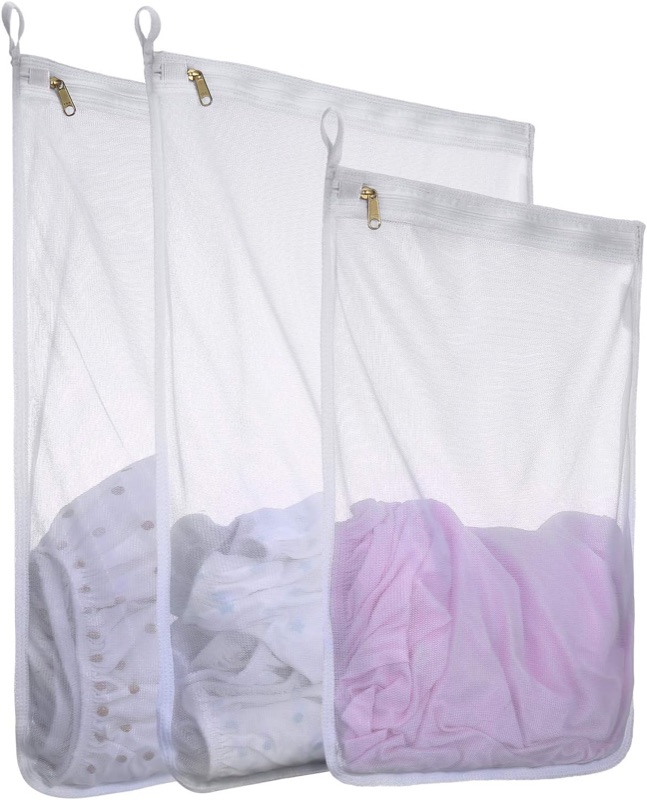
Fine mesh laundry bags for delicates, three-pack
A three-pack of fine mesh wash bags in two sizes — the protection step before a satin bonnet goes into a machine. Check the bag dimensions against the bonnet size you sell.
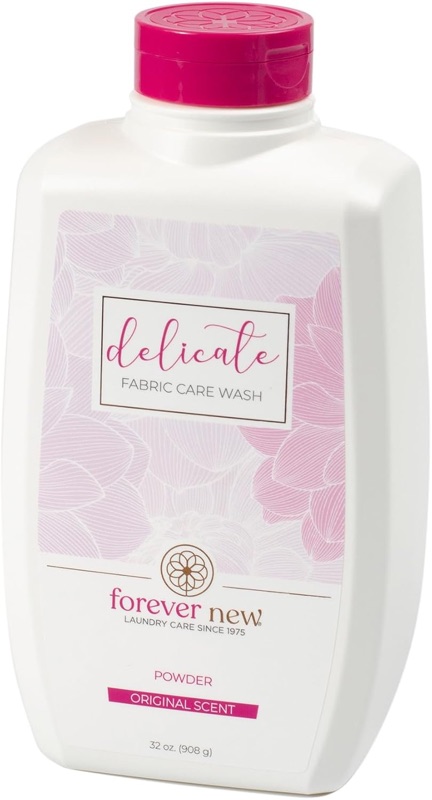
Granular delicate detergent powder, 32 oz
A granular detergent powder intended for delicates, useful as the wash agent referenced on a care label. Compare the stated directions with the care instructions you print.
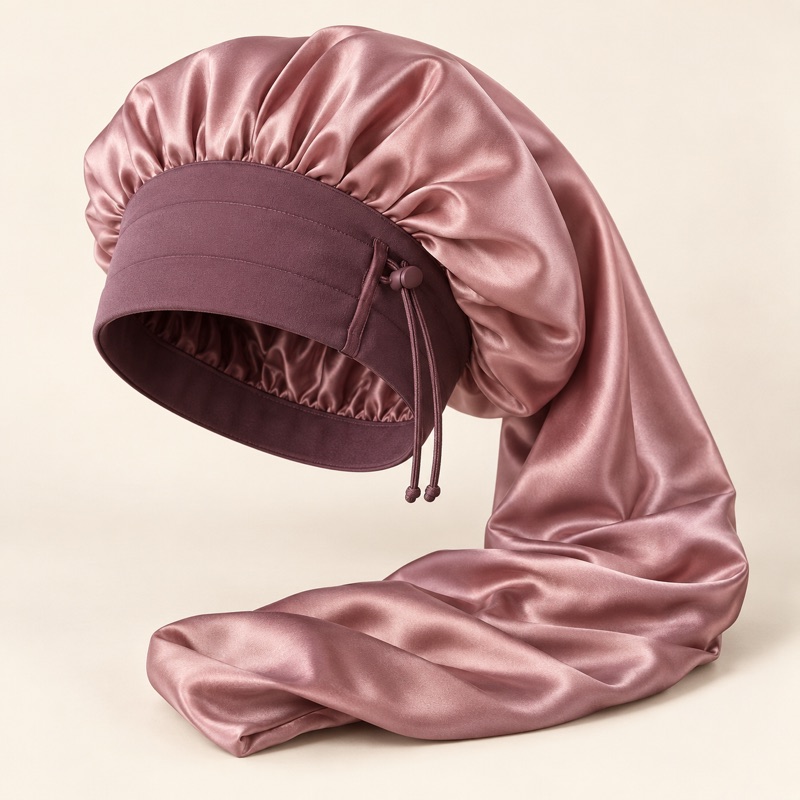
Wholesale satin sleep bonnet with a wide elastic band
A wholesale sleep bonnet built on a wide elastic band rather than a tie. A sourcing route for confirming the fabric, the band construction, and the care wording the supplier can support.
Card photos are the current marketplace listing images and may differ from the delivered product; confirm details on the live listing.
Create a simple sample-care record
A small brand does not need a laboratory system to manage a first production run. It needs a consistent record. Create one page per sample revision with the product name, colour, sample date, material statement, closure description, label draft, and care steps used for the test.
Photograph the sample before washing: front, inside, closure, label, and any print or trim. After the approved wash and dry process, photograph the same views. Write only what you observe. For example: “Tie ends unchanged after label-directed hand wash,” “elastic edge appeared twisted after drying,” or “label text remained legible.” Avoid unmeasured claims such as “durable” or “will not fade.”
If the second sample changes the fabric, closure, print, or supplier process, create a new record. Do not carry over an old approval automatically. The point is not to delay every small improvement. It is to know which change could alter the buyer’s care experience.
For Alibaba sourcing, this CPS entry can be used as a starting point to request a current product specification, care-label options, and a sample. Its presence here does not verify the supplier’s present material composition, customization capability, price, minimum order quantity, or delivery terms. Confirm those details directly before placing an order.
Write help content that customers can actually use
A good product page does not need to promise that a bonnet will survive every care routine. It should say what the product is, how the closure works, and where to find the care instruction. A short FAQ can answer practical questions such as: “Where is the care label?” “Can I machine wash this version?” “How should I dry the tie band?” and “What should I check if the fit changes?”
Do not present a generic wash method as a substitute for the label. A customer who bought a silk version, a polyester-satin version, or a mixed construction may need different instructions. If you sell several variants, specify whether the care routine applies to all of them. This is especially important when colour, printing, or fibre content differs between versions.
Clear help content also supports a fair replacement policy. If the product page states the intended care path and the closure construction, the brand can evaluate a report of a changed fit with better information. That is better for both sides than promising “long-lasting” without explaining what was tested.
Make care part of the buying decision
Care is not an after-sale detail. It is part of whether a bonnet fits a shopper’s routine and whether a brand can stand behind its product description. A person who wants the fastest low-effort routine may make a different choice from someone who is comfortable with more careful washing. Neither choice is wrong when the material and instructions are clearly stated.
Before you buy, find the care information, inspect the closure, and keep a record of the listing and label. Before you source, approve the care wording against a real sample, test the closure around that instruction, and preserve the result for the next reorder.
That small amount of clarity is what keeps “care instructions” from becoming an afterthought—and turns them into a useful product feature.
Affiliate disclosure: Some links in this guide are affiliate links. HerBrandKit may earn a commission at no extra cost to you.