HerBrandKit Guides
Guides
Practical guides to women's products, packaging, sizing, materials, sampling, and sourcing constraints.
High Heel Cushions: Ball-of-Foot Pads vs Heel Grips
One fixes pressure under the forefoot, the other stops a heel sliding. What pressure studies show, where the pad must sit, and how to tell which problem you have.
Women's Razors: Cartridge vs Safety vs Electric, Honestly Compared
Cartridges shave closest, safety razors suit reactive skin, electrics are fastest. What the sources disagree on, how to tell a blade is finished, and prep that matters more.

Nursing Pads: Disposable or Reusable, and How Many to Buy
Disposables absorb more and travel better; reusables are softer and cheaper over years. Why dampness matters more than type, and how many pairs you need.
Pregnancy Pillow: Choosing a Shape by Bed Space, Not Hype
Wedge, C or U: how much mattress each shape really eats, what the sleep-position research does and does not say, and the checks to run before you spend.
Compression Socks: Choosing an mmHg Level Without Getting Hurt
What 15–20 versus 20–30 mmHg really means, what the flight evidence does and does not show, who must ask a clinician first, and how to size by calf not shoe.
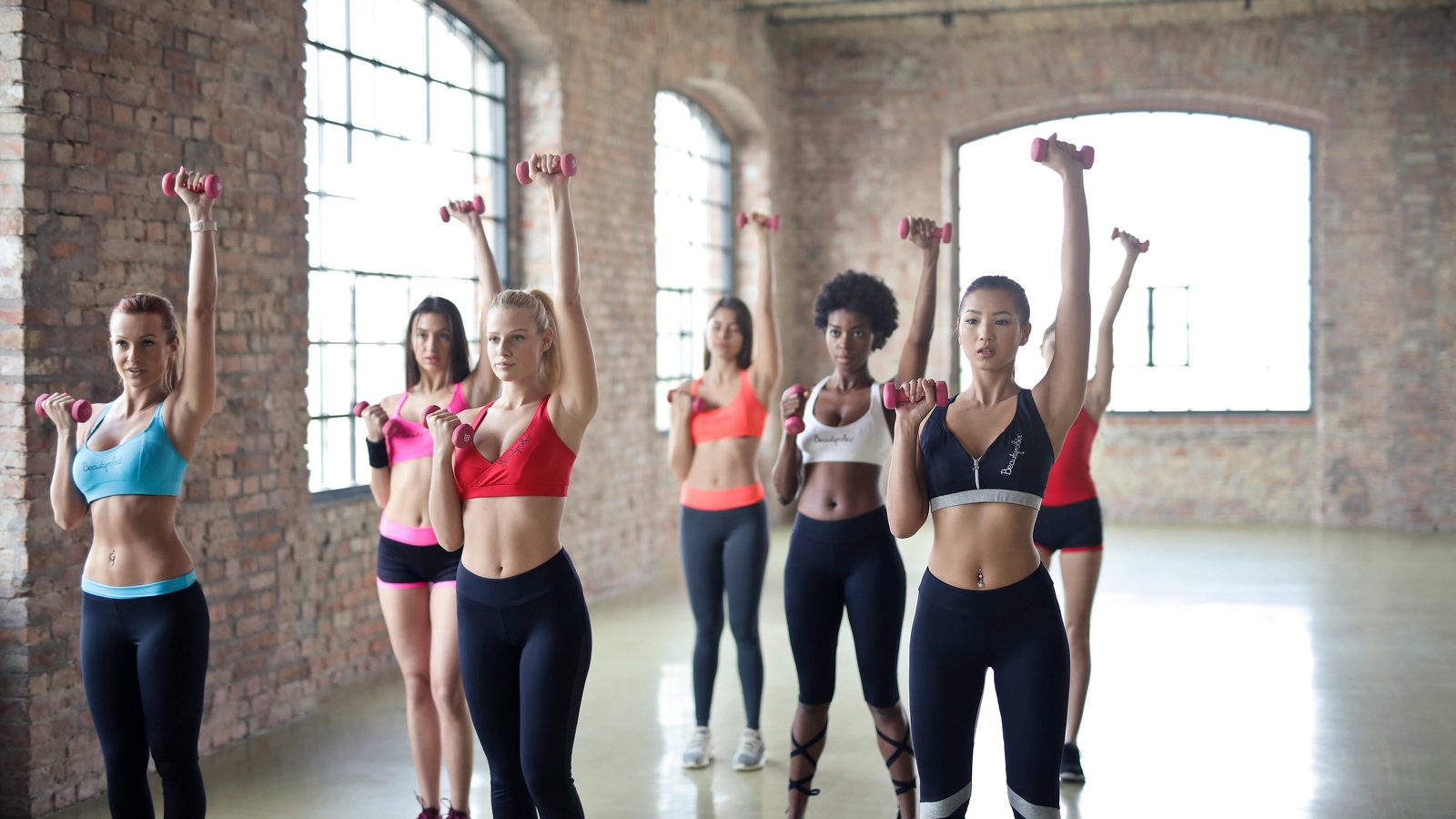
Sports Bra Fit: Support by Impact, Cup Size and Five Checks
Research from Portsmouth on what actually supports a breast, why tape-measure sizing fails, and the five-point check plus jump test to run before you trust a label.
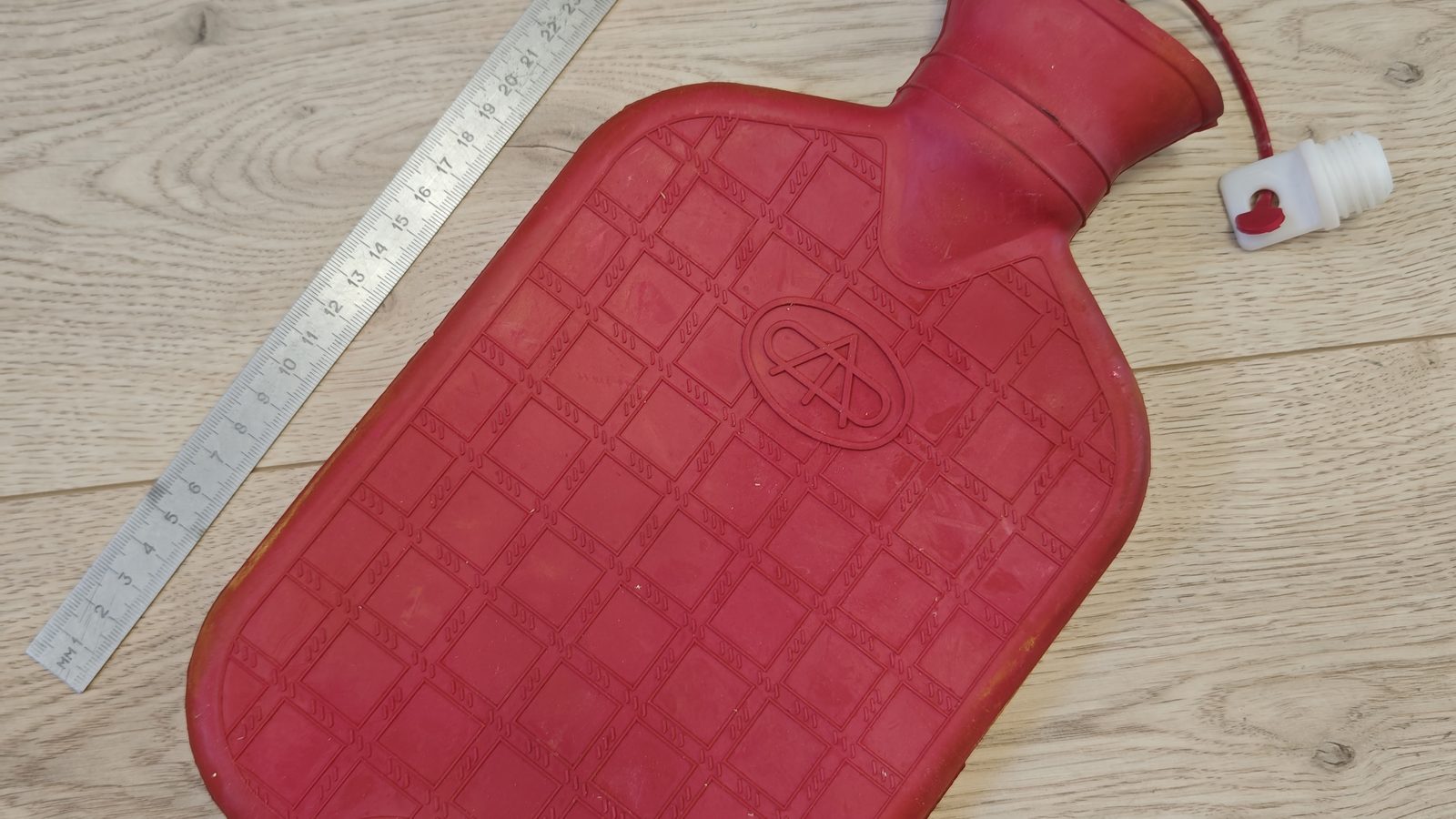
Heating Pads for Period Cramps: Settings, Timers and Burns
The trials behind heat therapy tested mild warmth, not high settings. What the FDA says about sleeping, timers and toasted skin, and what to check before you buy a pad.
Menstrual Cup Size: Cervix Height, Firmness and Leak Checks
Choose by length first, diameter second and firmness third. Where clinical guidance and brand charts disagree, how to measure cervix height, and why leaks are usually fit.
Menstrual Disc vs Cup: Fit, Removal and the Real Trade-offs
A disc sits behind the cervix, a cup below it. What that one difference changes about fit, removal mess, period sex and the learning curve before you choose.
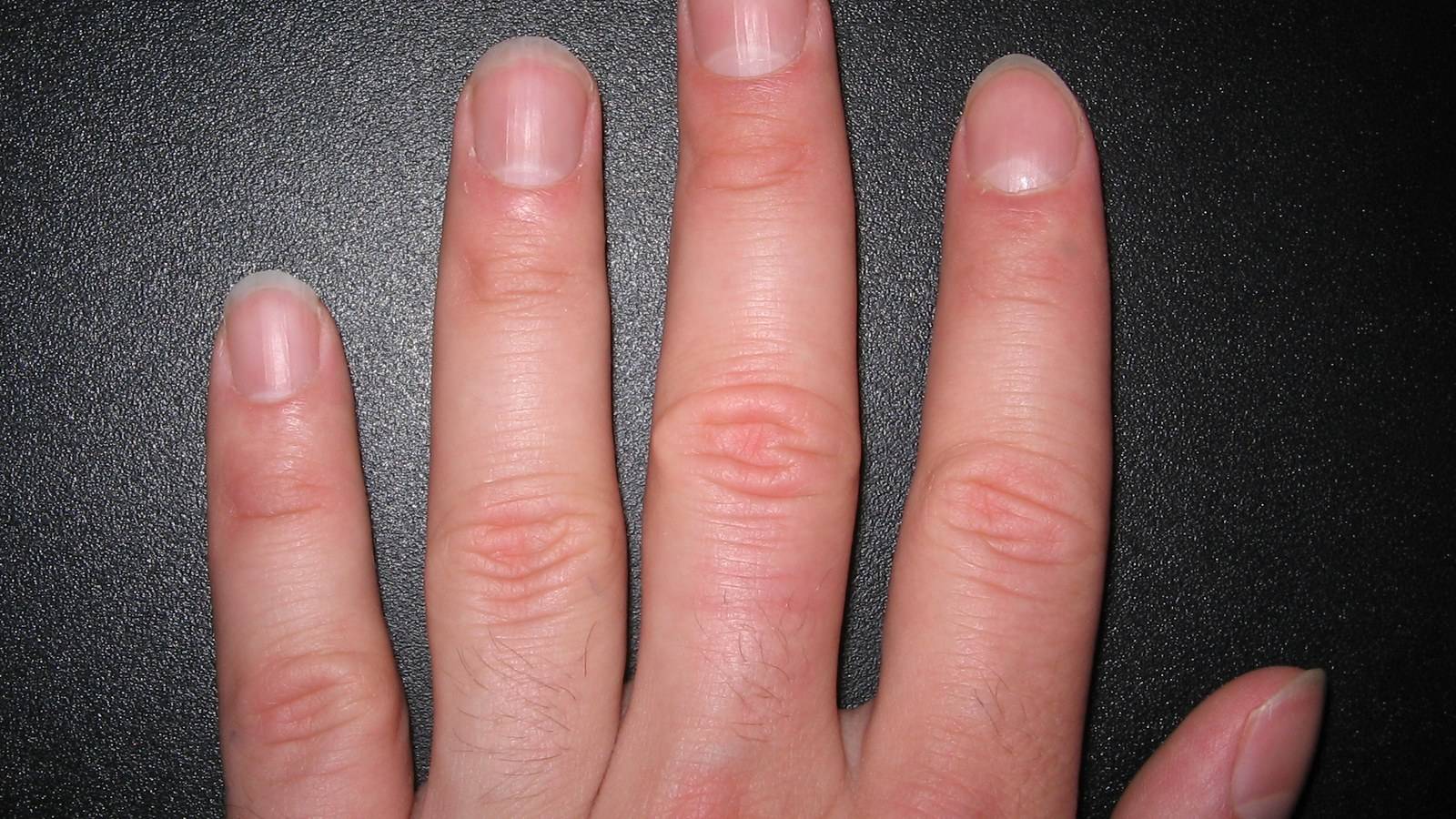
Glass Nail Files vs Emery Boards: Grit, Direction and Sealing Claims
What dermatologists actually say about filing direction and grit, why the glass-versus-emery case rests on opinion rather than trials, and what to check on arrival.
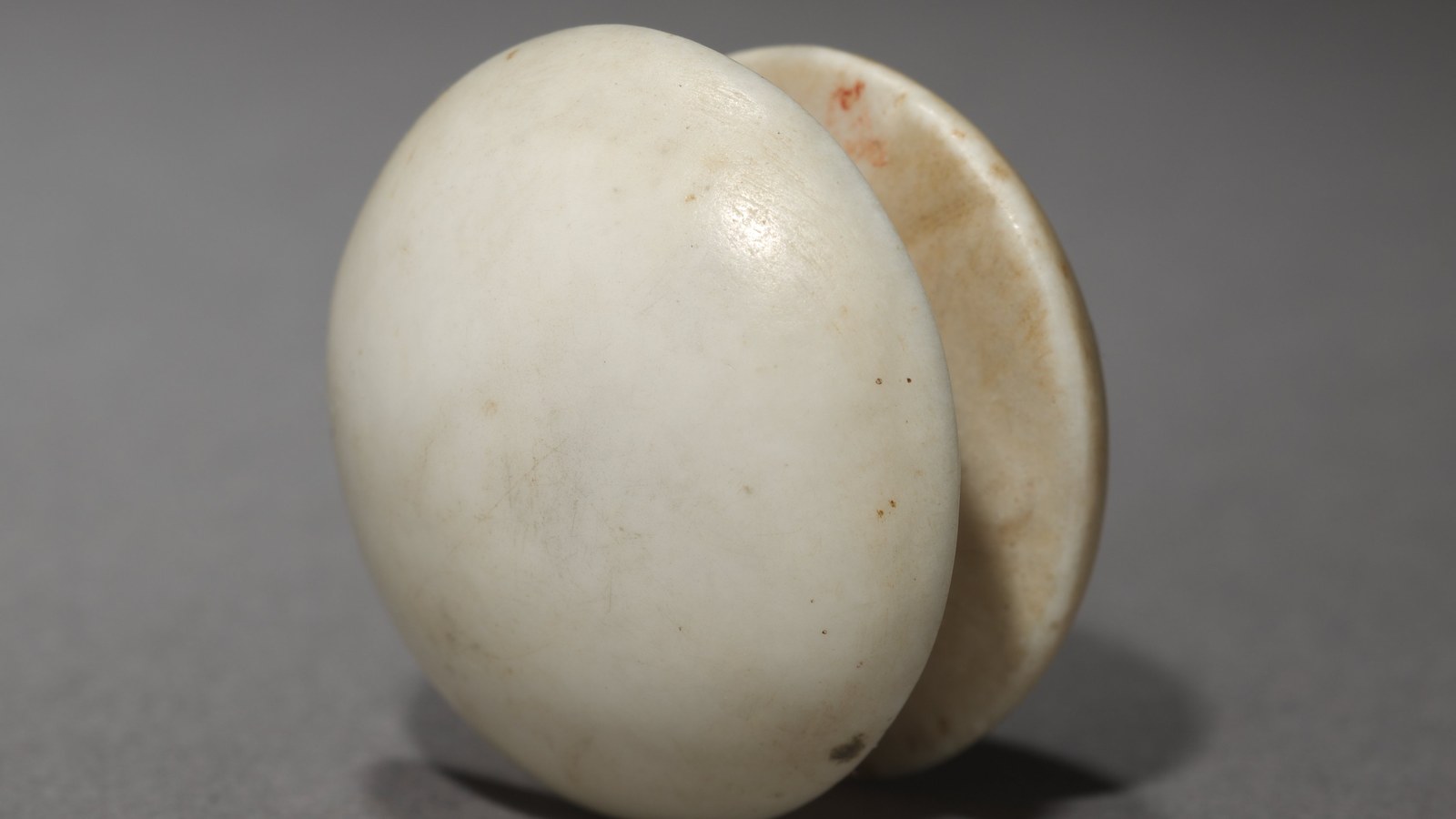
Nickel-Free and Hypoallergenic Earrings: What the Labels Prove
What the EU nickel rules actually measure, why surgical steel splits the sources, what homes tests miss, and what plating labels hide before you buy a pair.
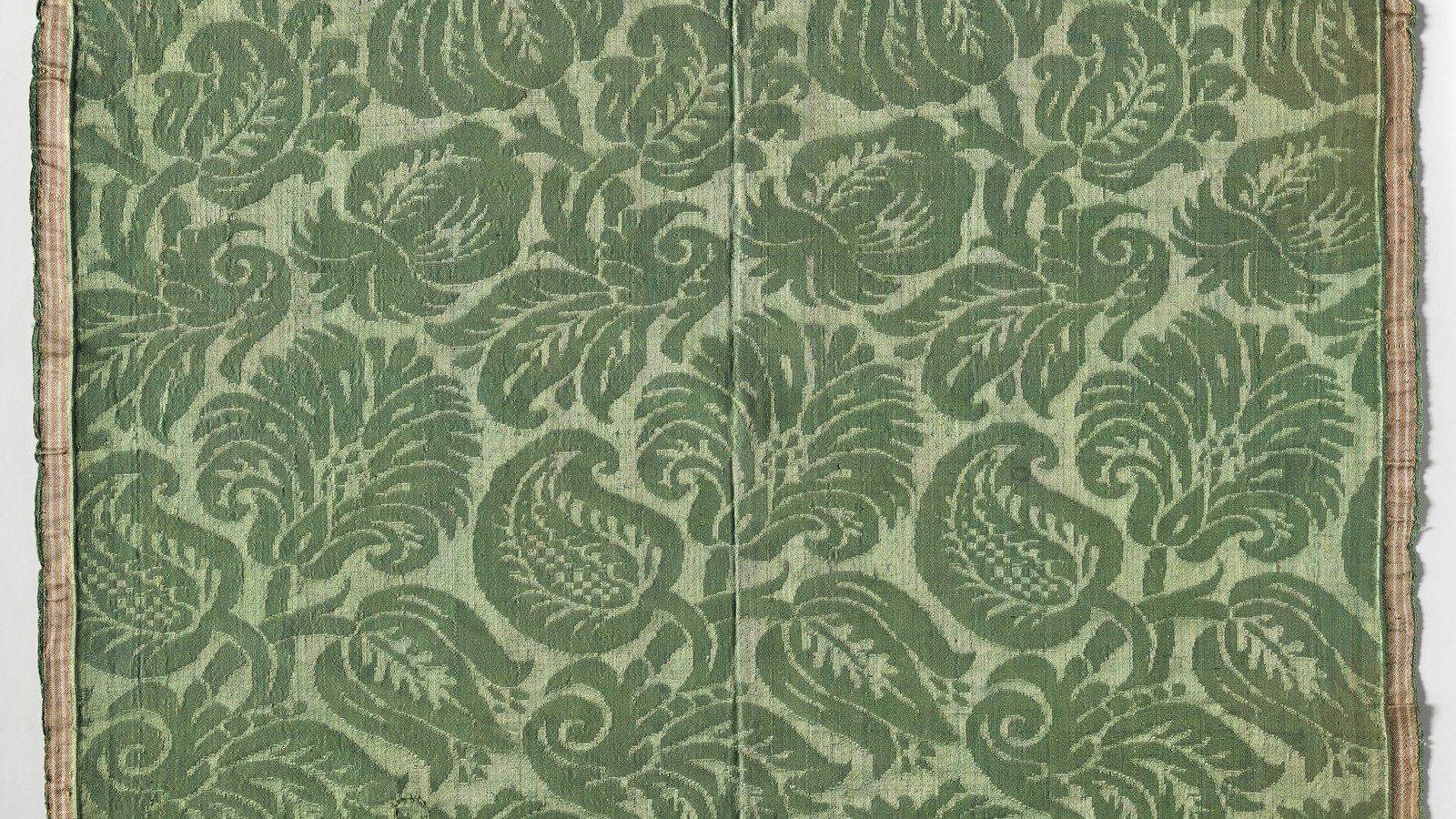
Silk Pillowcases: What Momme, 6A and OEKO-TEX Really Tell You
Momme measures weight, not quality. 6A is a raw-silk grade nobody can verify on a finished case. What the labels prove, what they do not, and what to check on arrival.
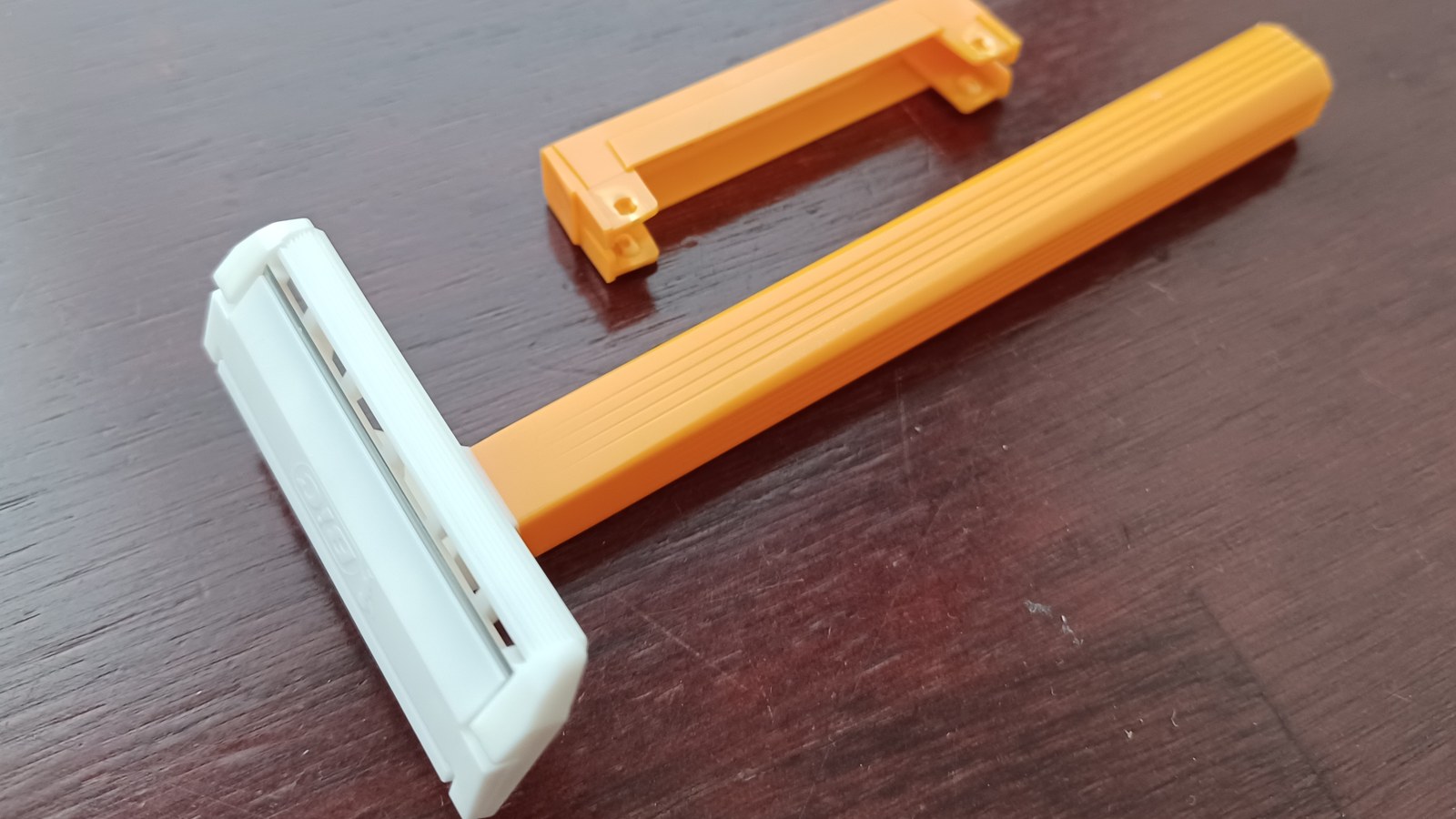
Facial Razors: Dermaplaning at Home, Blade Life and Guard Checks
What dermatology sources say about using a facial razor at home, why blade-life figures run from one use to three months, and what to check the day the parcel arrives.
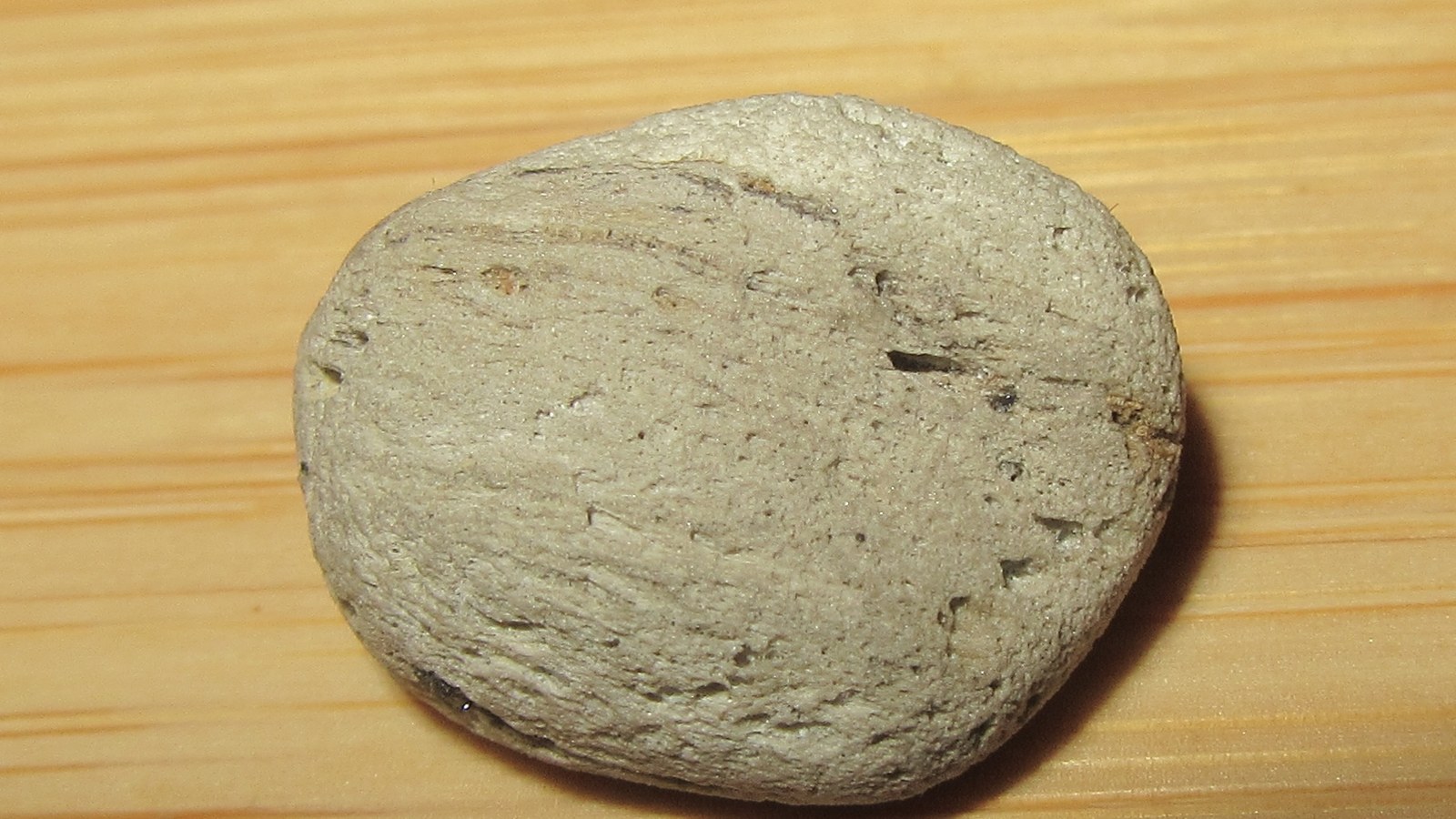
Foot Files and Pumice Stones: Callus Removal Without the Damage
What dermatology and podiatry sources say about filing hard skin at home, why blade shavers are the tool to skip, and what to check when a foot file arrives.
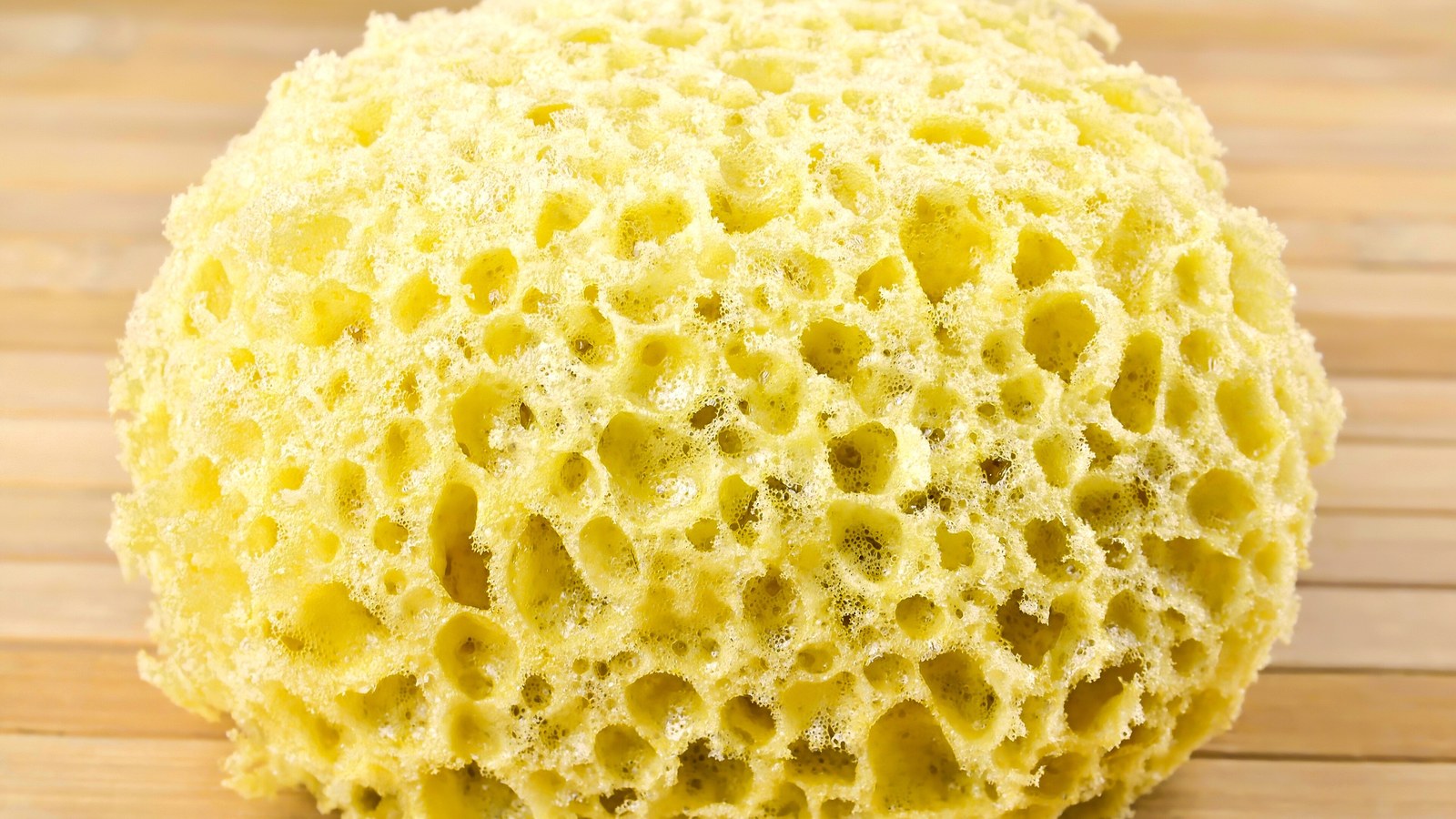
Loofahs, Poufs and Silicone Scrubbers: Cleaning and Replacement
What clinicians say grows in a shower scrubber, why replacement advice runs from single use to three months, and which antibacterial and exfoliating claims survive scrutiny.

Eyelash Curlers: Pinch-Free, Fits-All and Spare Pad Claims
What eye-health sources actually say about heat and hygiene, why pad replacement intervals range from two to six months, and nine sample checks for rim, gap and hinge.
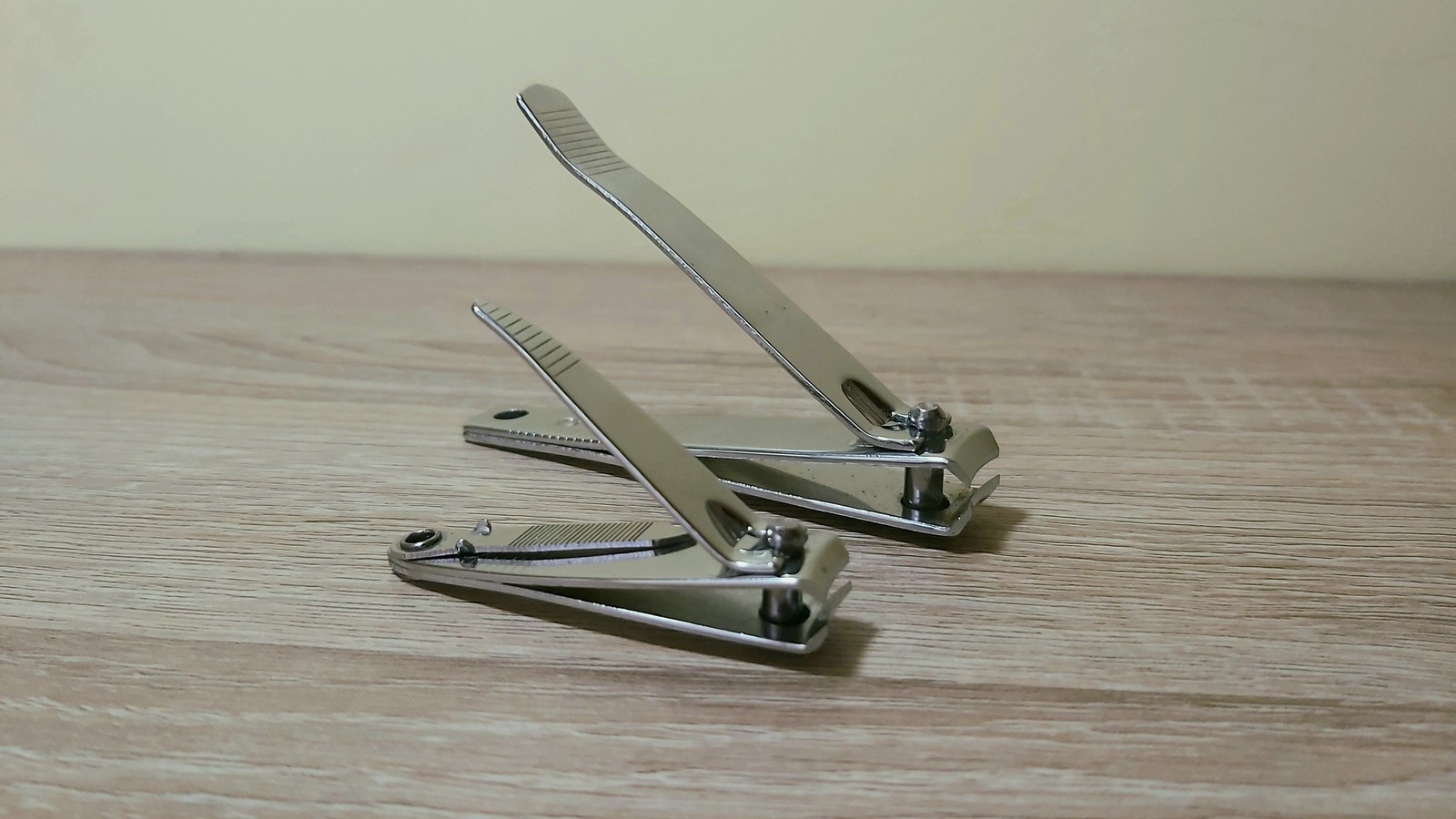
Nail Clippers: Surgical Steel, Razor Sharp and Rust-Proof Claims
What hygiene and foot-care sources actually require, why surgical steel has no grade behind it, and nine sample checks for edge alignment, jaw opening and spring fatigue.
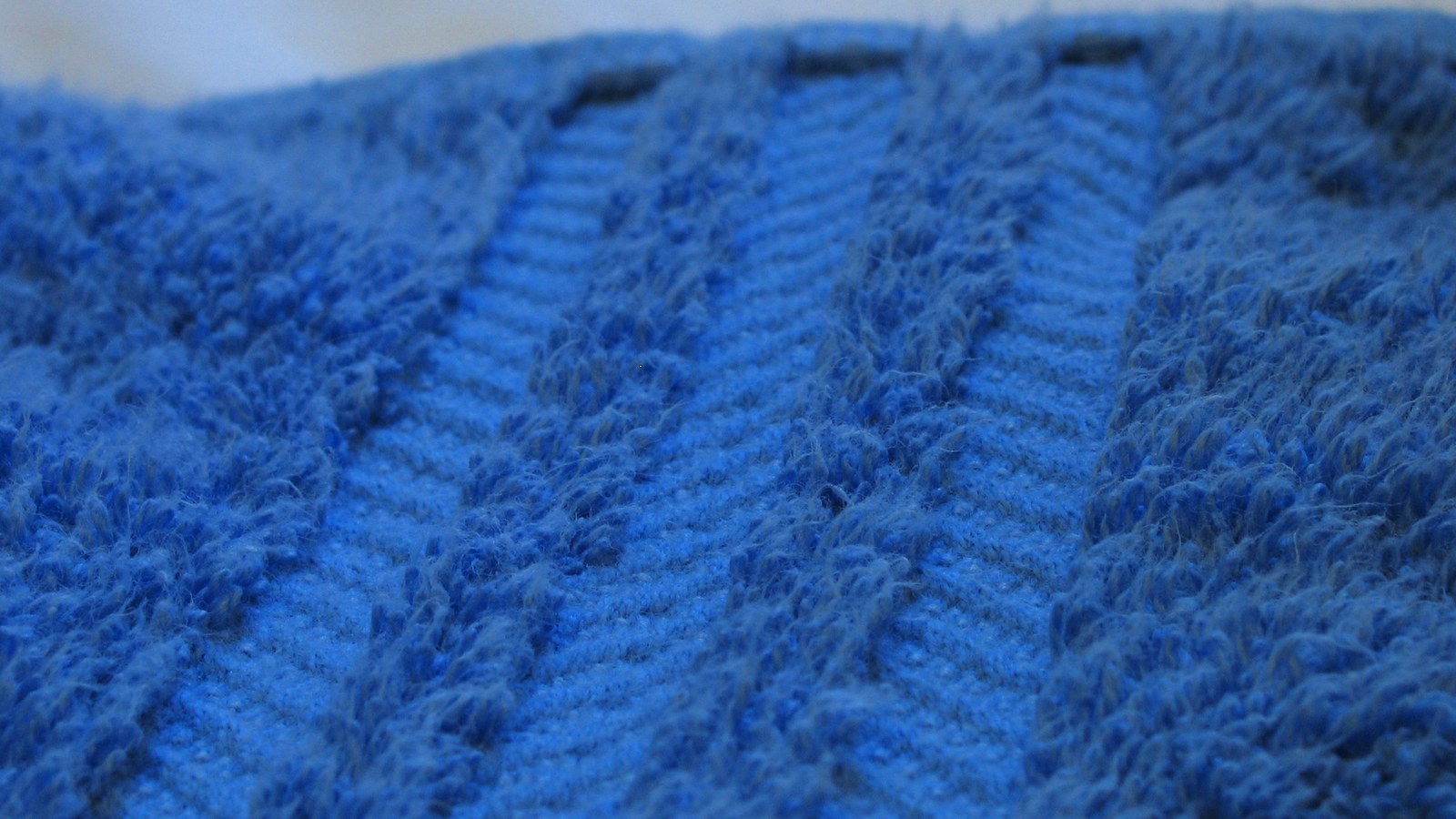
Spa Headbands: Super Absorbent, Non-Slip and Gentle Claims
Why GSM numbers from bath towels do not transfer to a narrow band, what hair-care sources say about tension, and nine sample checks for lint, drying and closures.
Acrylic Makeup Organizers: Crystal Clear and No Yellowing Claims
Which clear plastic a listing is really selling, why cleaning instructions matter more than sellers think, and ten sample checks for clarity, seams and drawers.
Bobby Pins: Nickel-Free, Rust-Proof and No-Slip Claims
Why hair accessories fall inside nickel-release rules, what dermatology says about pins and tension, and nine sample checks for tips, coating, spring and grip.
Silicone Facial Cleansing Brushes: Antibacterial and Sonic Claims
What dermatology sources say about frequency and who should avoid these tools, what antibacterial and percentage claims actually establish, and nine sample checks.
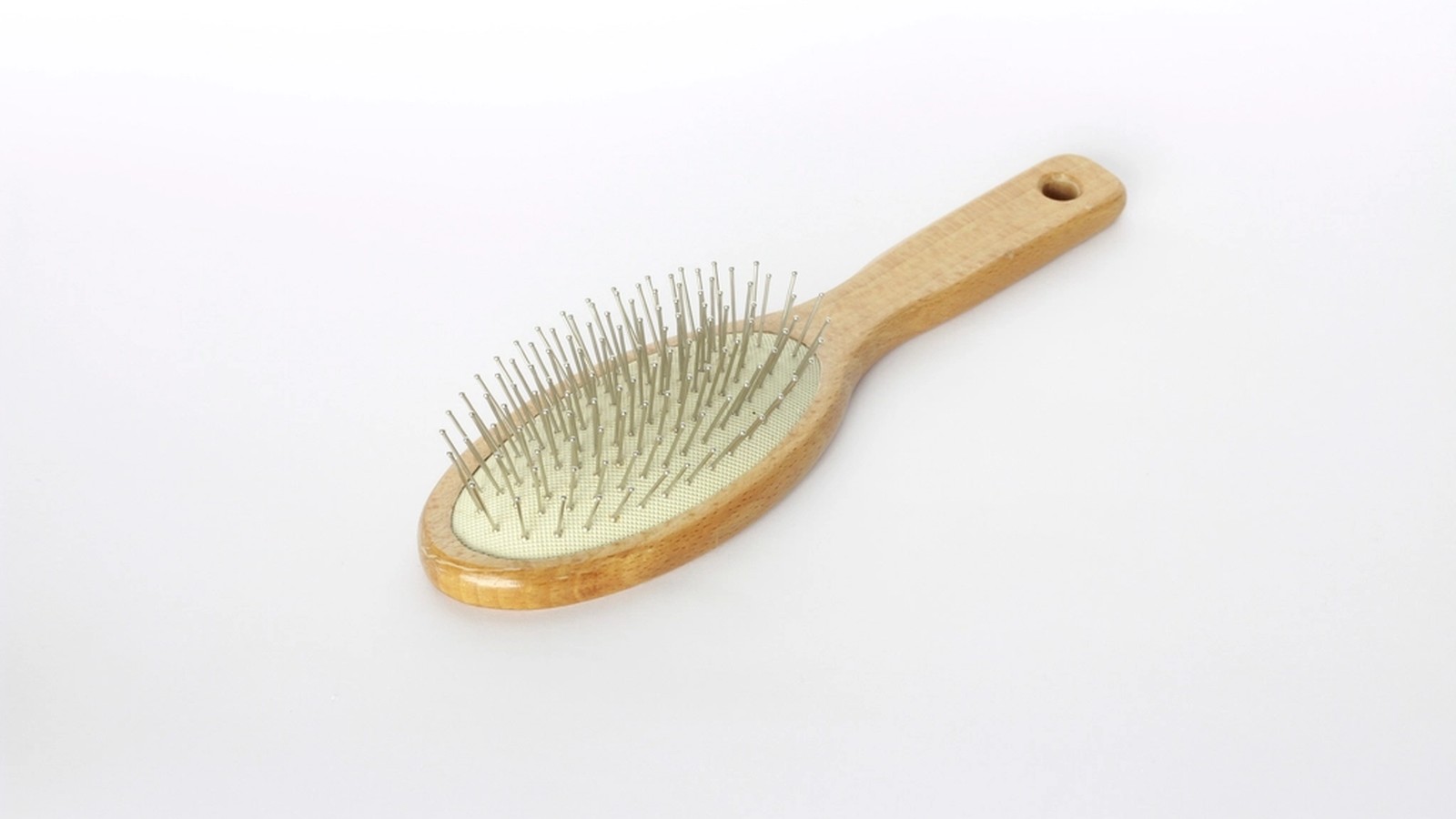
Detangling Hair Brushes: Boar Bristle, No Breakage and Heat Claims
Which brush claims need a laboratory and which need a loupe, where brushes actually fail, and nine sample checks for tips, seams, heat and cushion.
Eyebrow Tweezers: Surgical Steel, Hand-Filed and Alignment Claims
Why surgical steel has no regulated grade, how to test tip alignment with a light and a loupe, and nine sample checks including cycling, corrosion and coating.
LED Makeup Mirrors: CRI 95, 10X and Daylight Claims
What CRI and R9 actually measure, why 10X blurs at the wrong distance, and ten sample checks for light, flicker, magnification and battery paperwork.
Makeup Brush Sets: Vegan, Goat Hair and No-Shedding Claims
Which brush claims can be tested and which need paperwork, how a brush is built and where it fails, and ten sample checks for fibre, pull, wash and handles.
Shower Caps and Heat Caps: PEVA, Waterproof and Microwave Claims
What PEVA on a listing actually tells you, why waterproof has to be tested on the finished cap, and nine sample checks for water, fit, steam and heat.
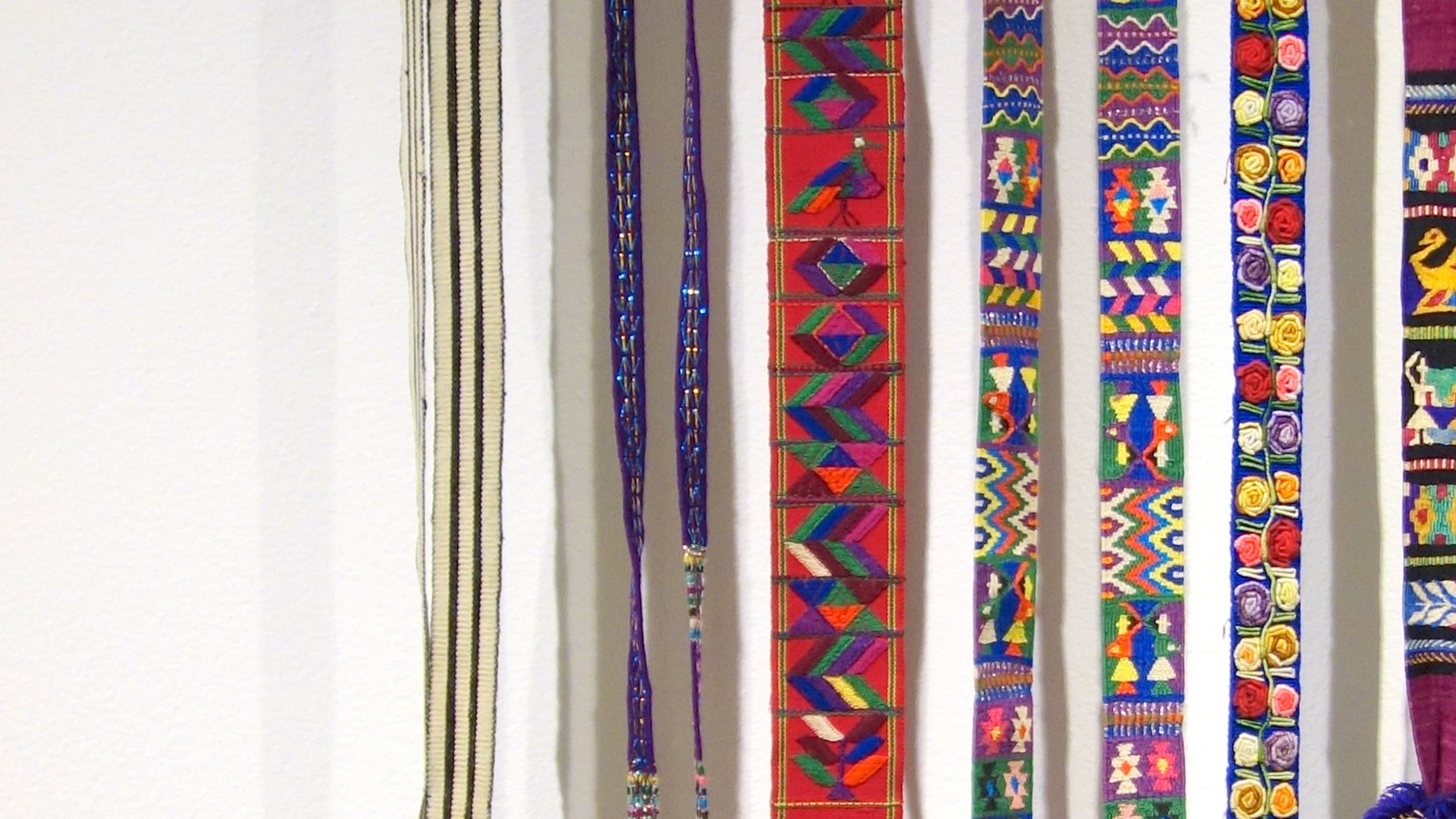
Spiral Hair Ties: No Damage, No Crease and Strong Hold Claims
What dermatology sources actually say about tension, why a coil stretches out, and a nine-step hold, recovery, snag and colour-transfer test for samples.
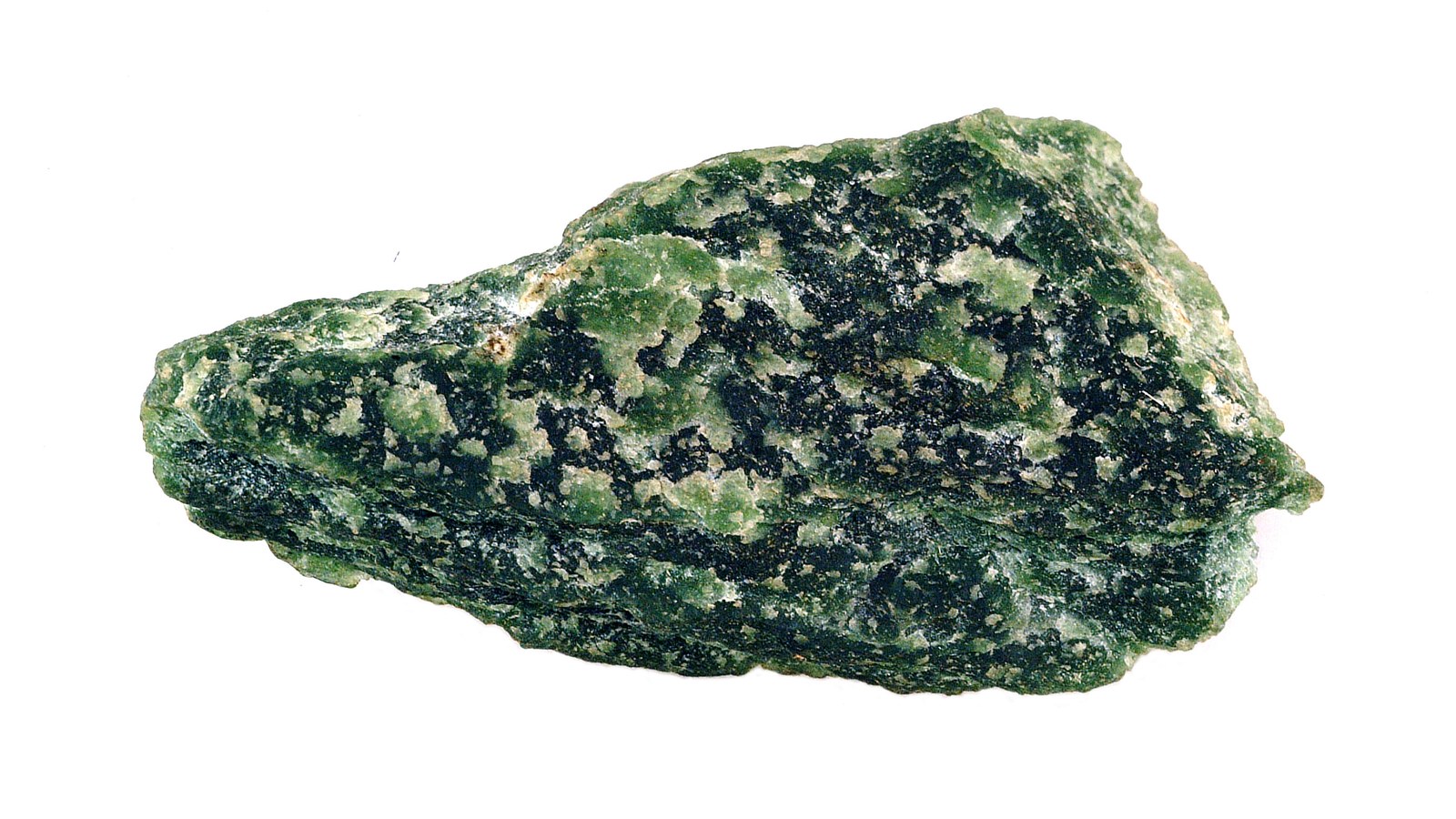
Jade Rollers and Gua Sha: Real Jade, Lymph and Lift Claims
How to separate testable material claims from outcome claims on a facial roller, what the one controlled trial actually found, and eight sample checks before you order.
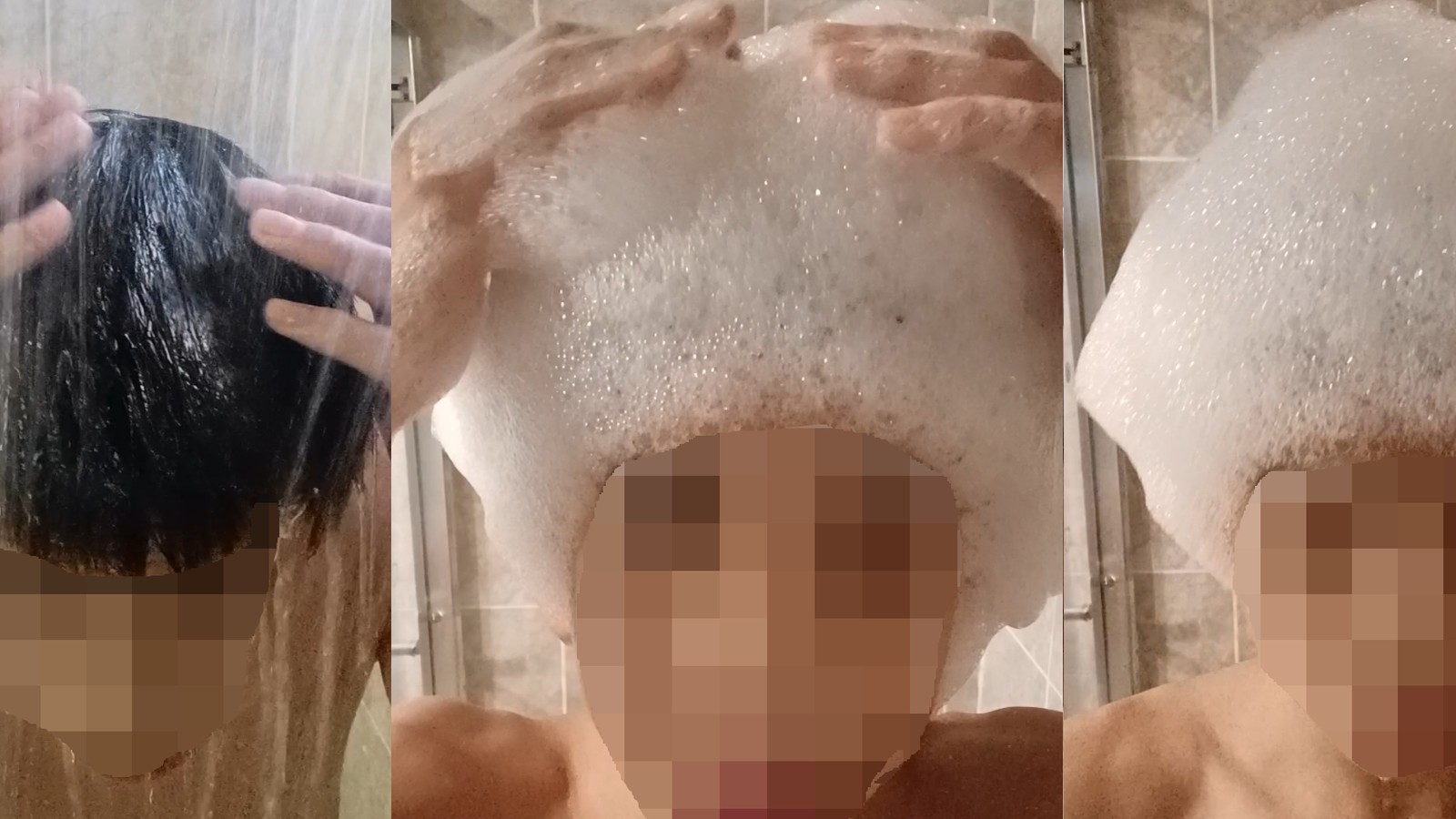
Silicone Scalp Massagers: Hair Growth, Dandruff and Mould Claims
What the 2016 massage study really showed, what dermatology sources say about dandruff, and eight checks for tips, tangling, retained water and comfort before you order.
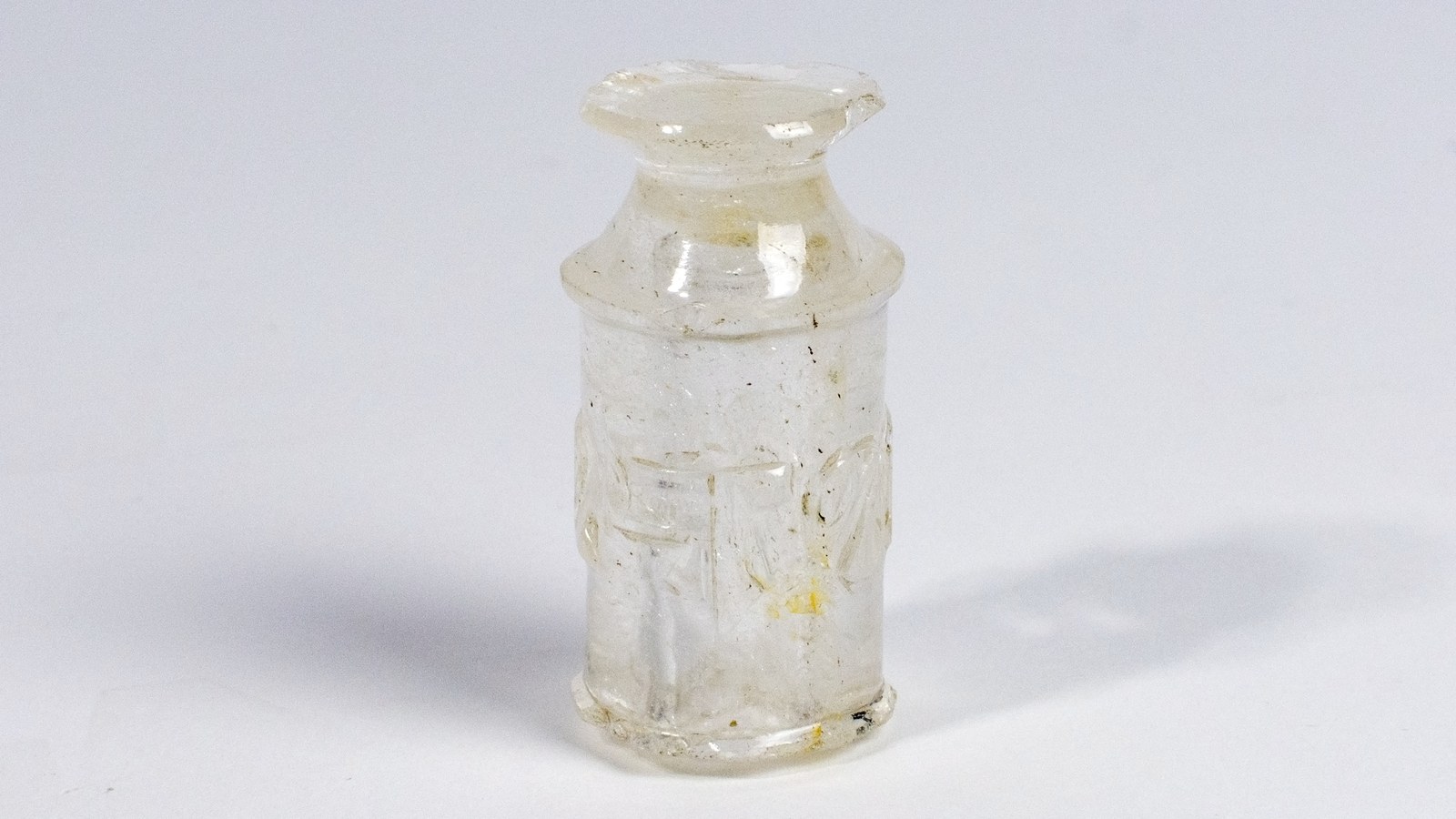
Silicone Travel Bottles: Leak-Proof, TSA and Food-Grade Claims
Which travel-bottle claims have a rule behind them, why cabin pressure and fill level matter more than the word leak-proof, and eight tests to run on samples before you order.
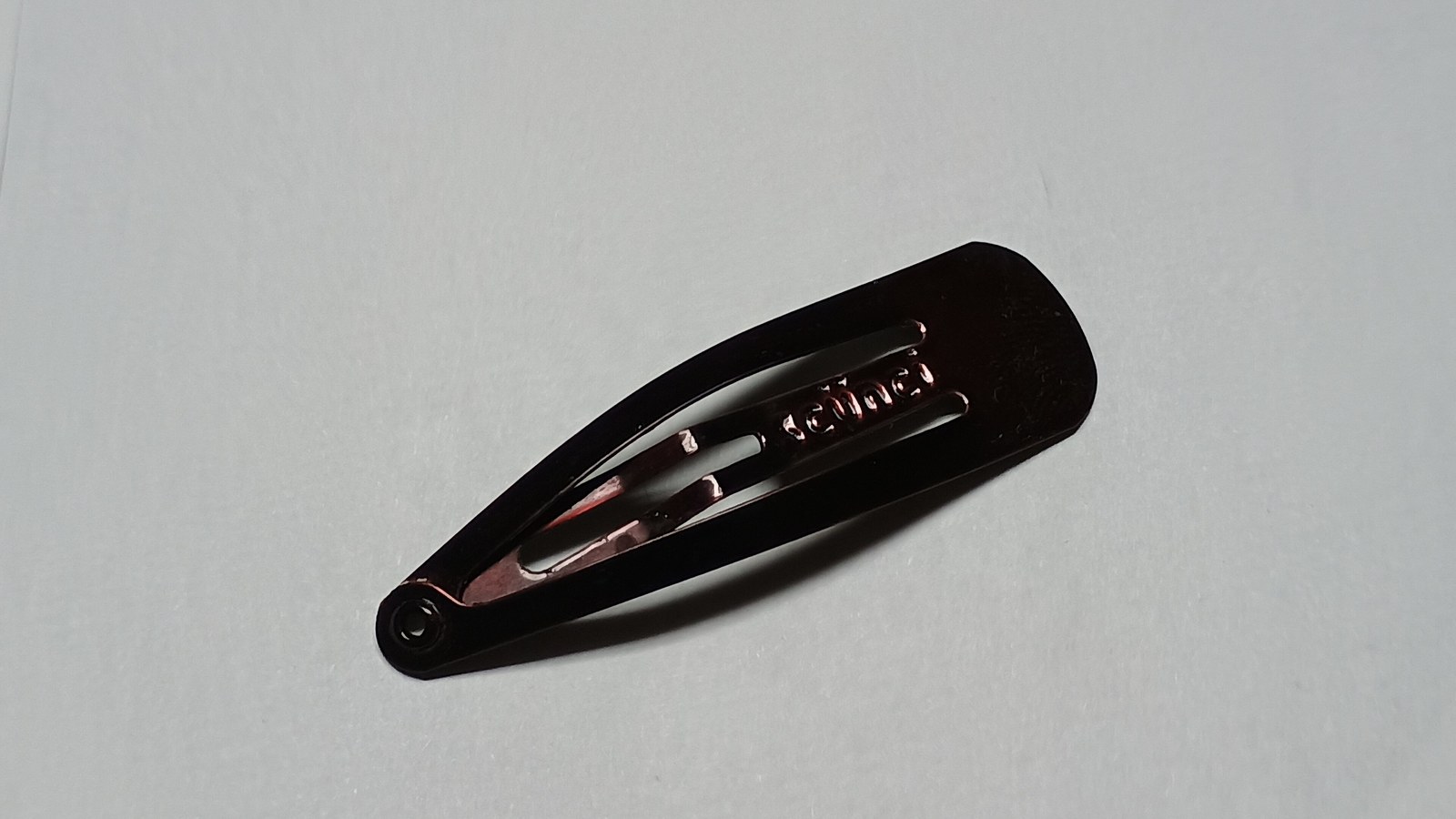
Claw Clip Size for Thick Hair: Measure the Twist, Not the Clip Length
Why claw clip sizing guides contradict each other, which four dimensions actually matter, and a repeatable bundle, slip and comfort test to run before you order.
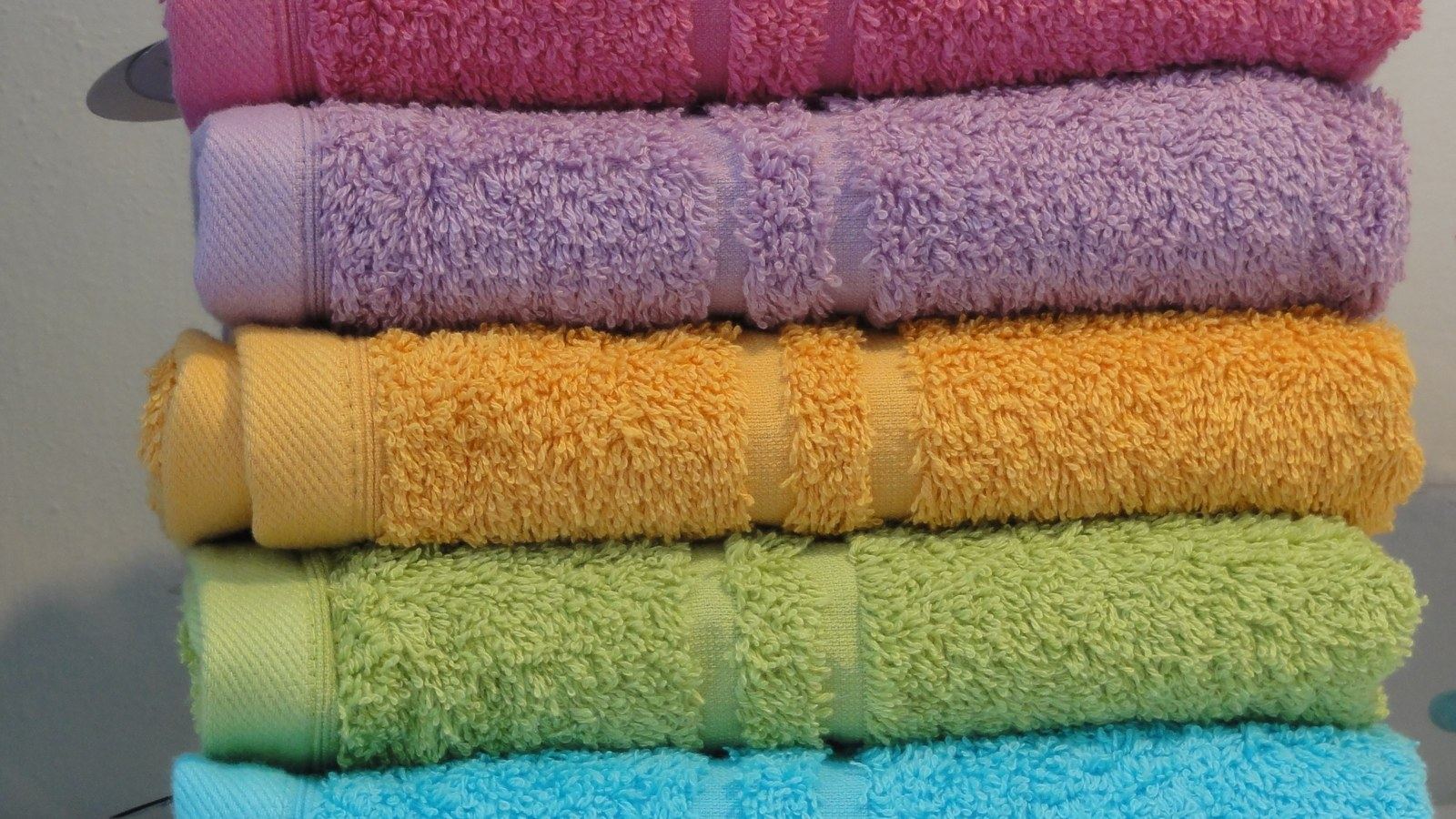
Microfibre Hair Towel Wraps: Absorbency, Friction and Fit Claims
What "dries hair 50% faster" and "prevents breakage" actually claim, what dermatology guidance does and does not support, and a repeatable absorbency, wet-weight and fit test.
Reusable Makeup Remover Pads: Bamboo Claims, Wash Counts and Lint
What "bamboo", "1,000 washes" and "removes makeup with water only" actually claim, and a repeatable removal, wash and lint test to run on samples before you approve one.
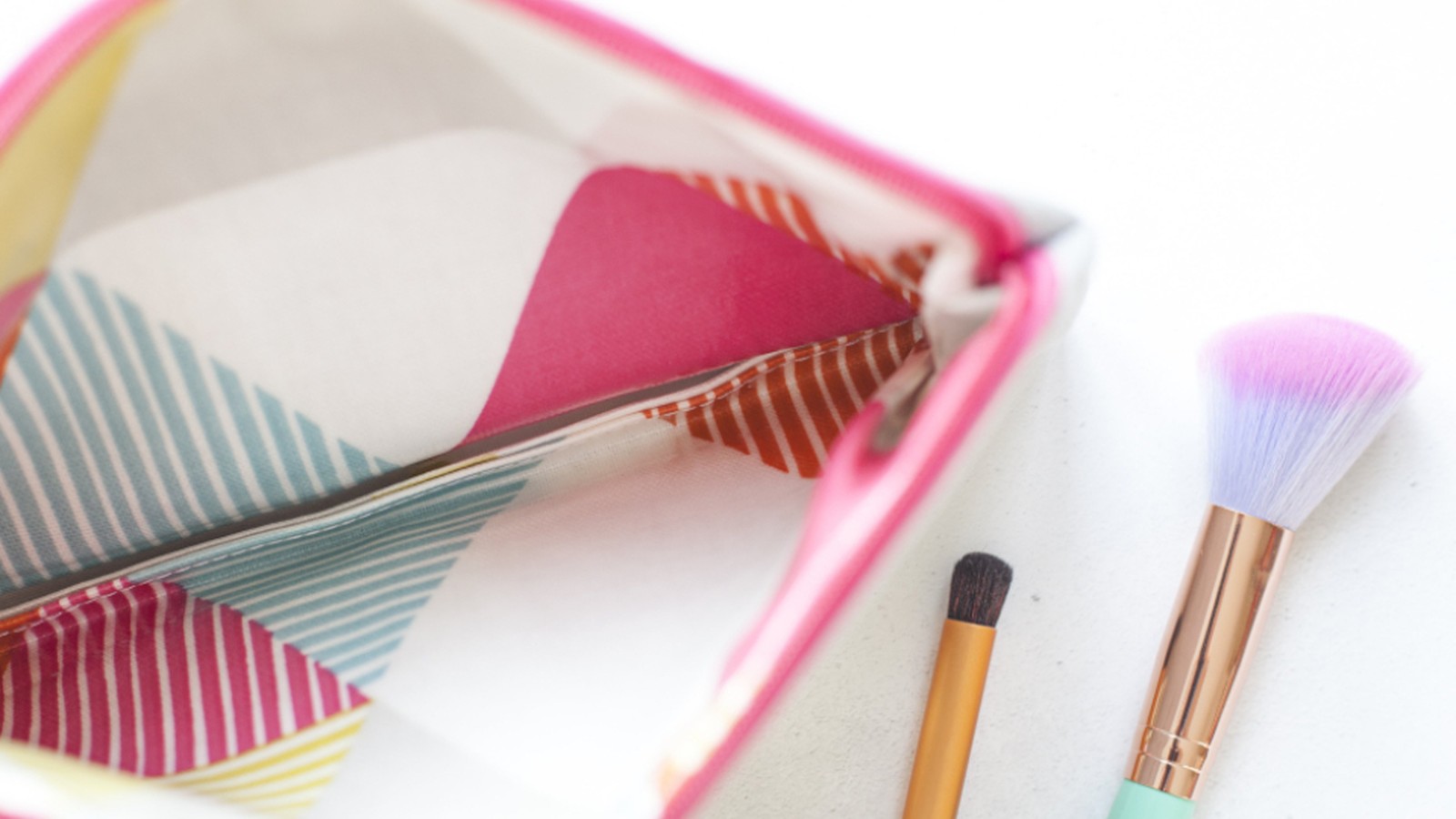
Cosmetic Bag Lining: PU or Nylon? A Wipe, Rub and Zipper Test
What PU and nylon mean on a listing, why coated linings peel, and a repeatable stain, rub and zipper test to run on samples before you approve a cosmetic bag.
Custom Mailer Boxes for Small Beauty Brands: Specs, MOQ, Samples
Size the mailer around the packed retail item, pick E or B flute by how the parcel travels, let quantity choose the print method, and put the approved sample into the order terms.
Satin Sleep Eye Masks: Material Claims, Light Leaks and Strap Fit
What silk, satin and blackout mean on a mask listing, which layer touches the eyelid, and a repeatable light-leak, strap-recovery and wash test for samples.
How to Choose Bra Strap Cushions That Stay Put on Your Shoulders
A cushion can soften a pressure point, but it cannot stabilize a loose band. Match the channel to your strap width, then test the pad through real movement.
Why Reusable Cloth Pads Slip and How to Check the Fit
Diagnose the direction of the movement, compare the pad's snapped width with your gusset, and test one pattern before replacing a whole stash.
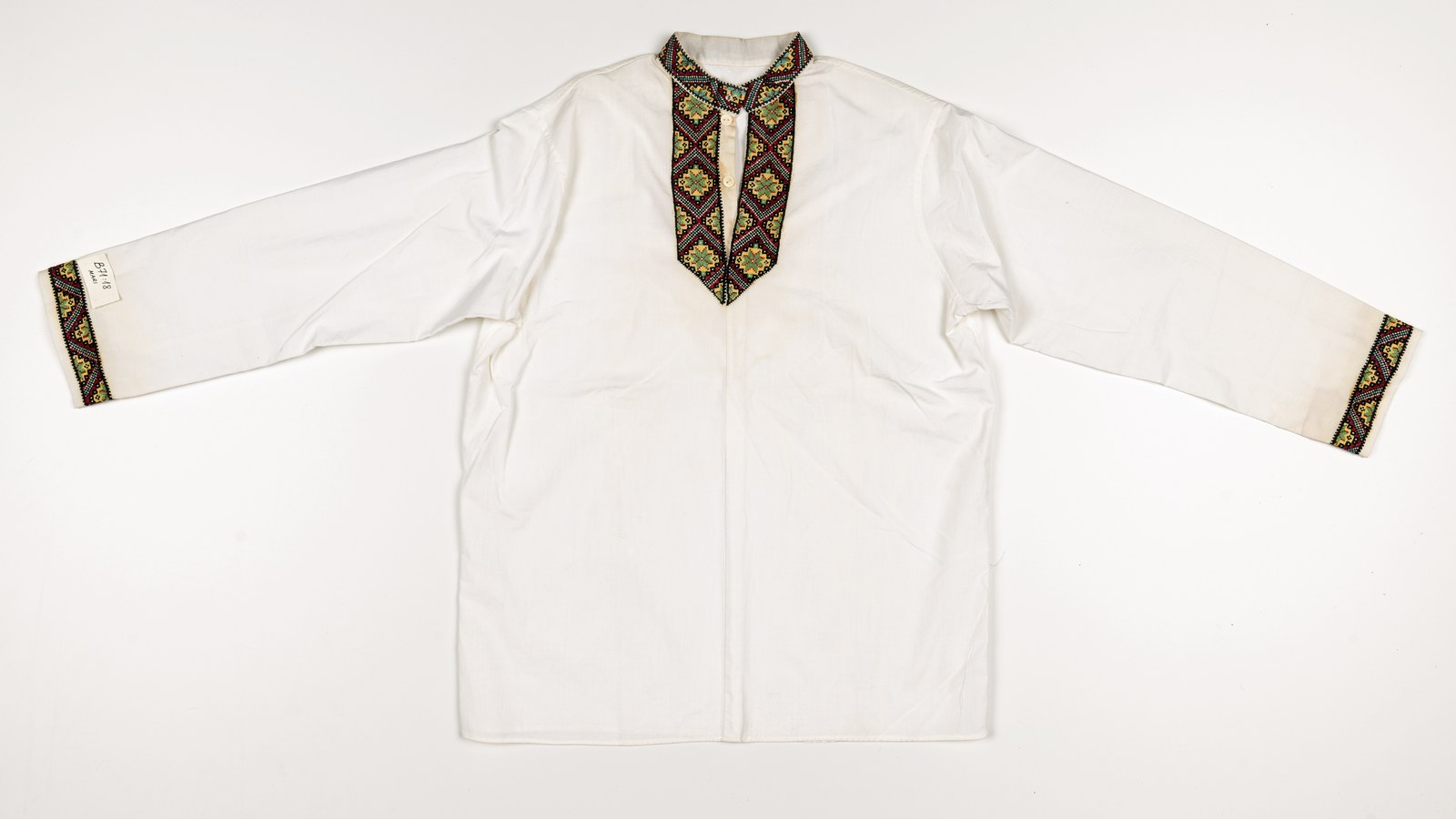
How to Fix a Button-Down Shirt That Gapes at the Chest
A gap is a fit symptom, not a tape problem. Diagnose what is pulling, use fashion tape only for a small local opening, and know when a snap or a tailor is the real fix.
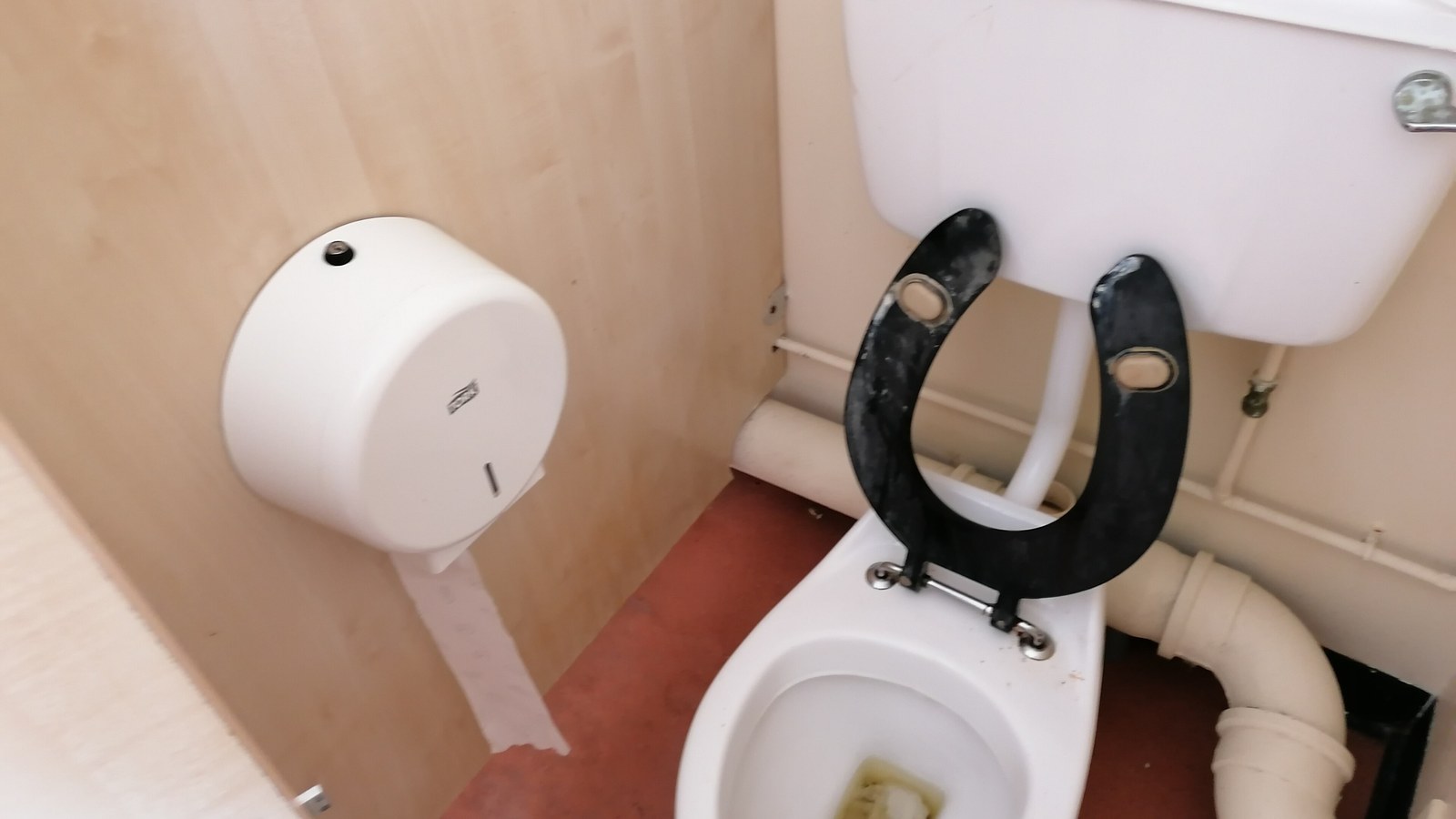
How to Dispose of a Used Pad When There's No Sanitary Bin
Fold, wrap, bin it — and never flush. What to do when the stall has no bin, when a personal disposal bag earns its place, and what to check before buying one.
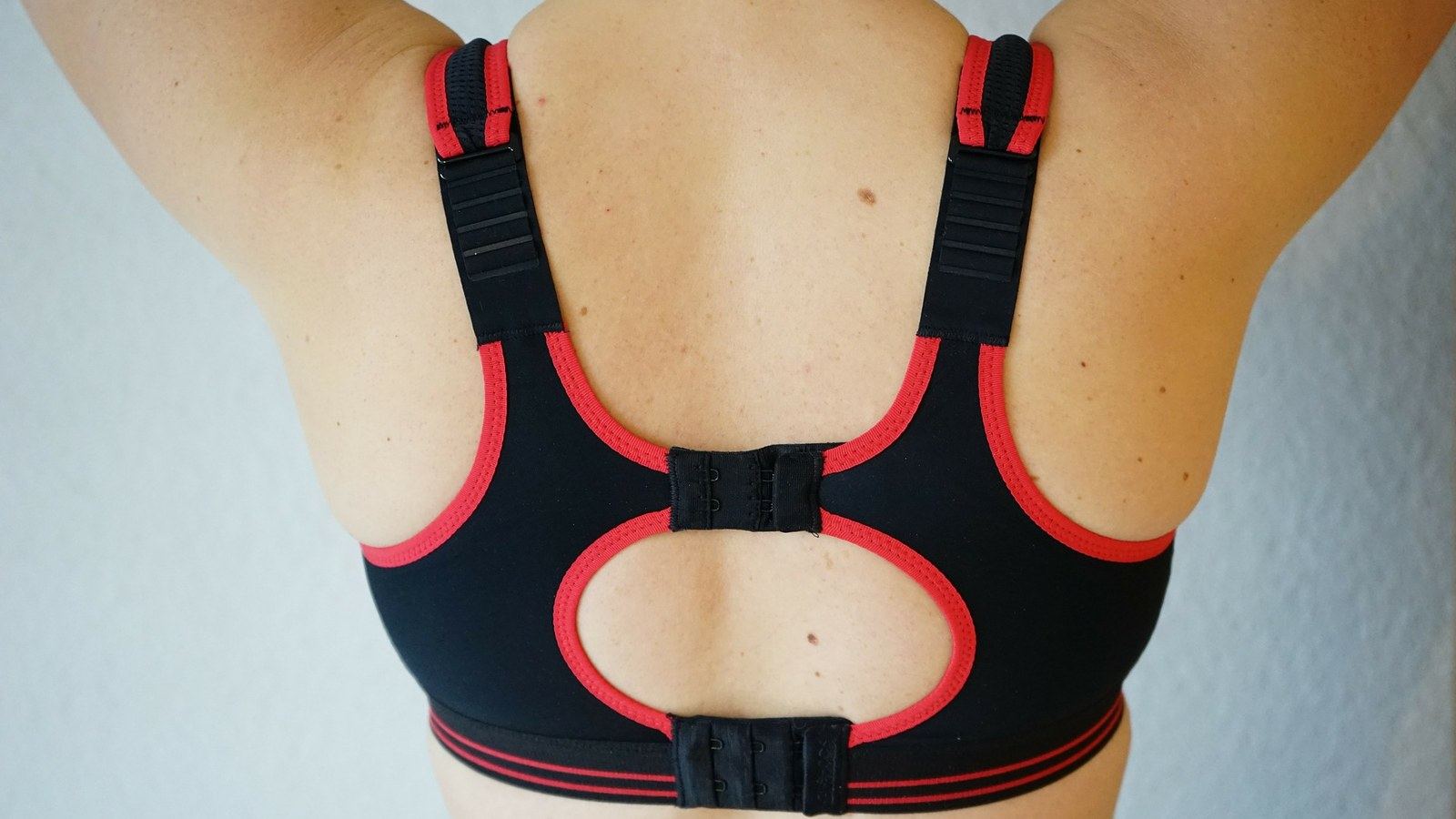
Racerback Bra Clips: When They Fix Slipping Straps and How to Attach One
A clip changes strap geometry, not bra fit. Check the band and cups first, then match the connector to your strap width and test it through real movement.
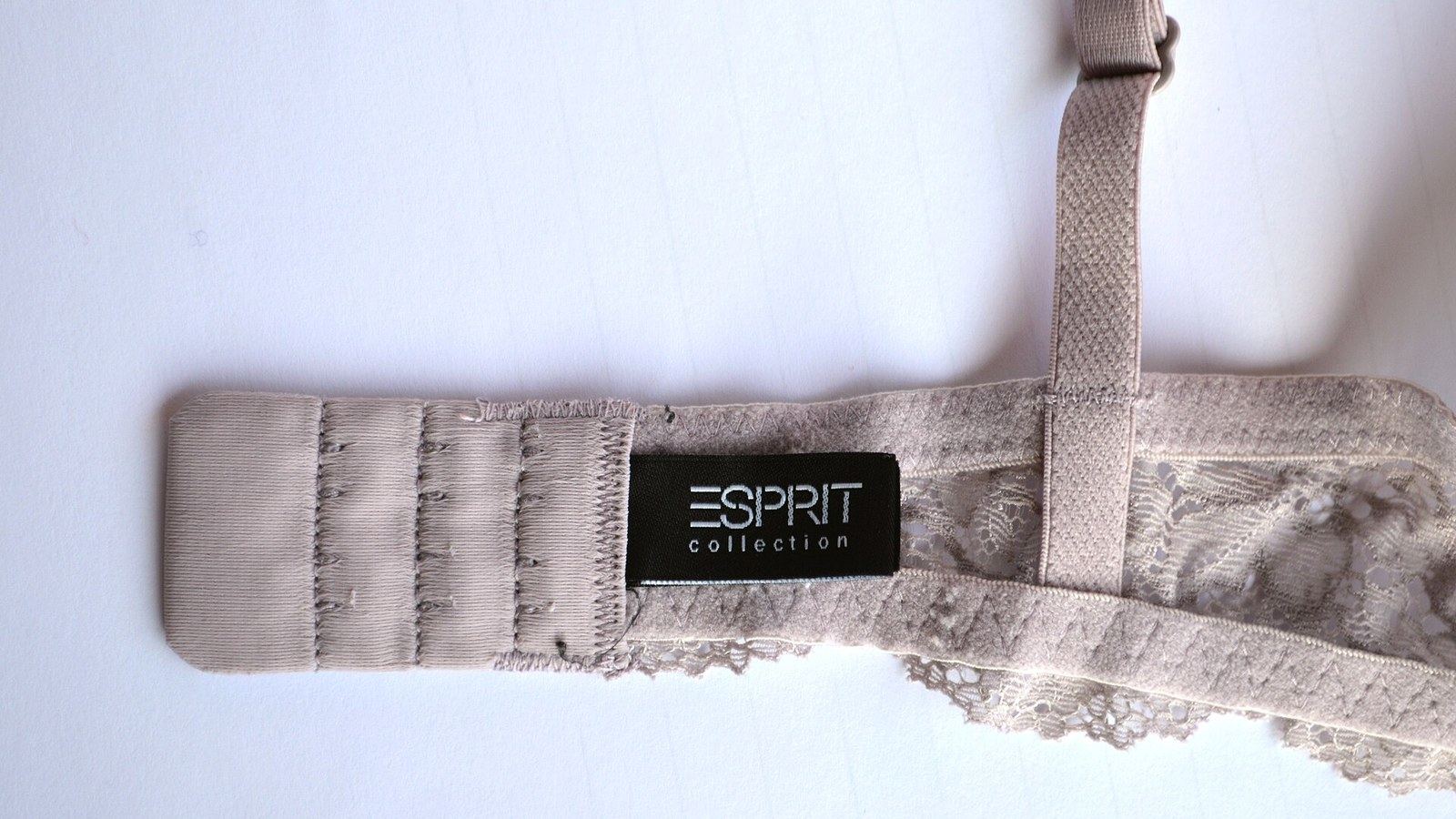
How to Choose a Bra Extender That Fits
Hook count is only a filter. Measure your closure's hook spacing, total width and added length, then run a no-force test before you trust an extender.
How to Set a Reorder Point for Lash Extension Eye Pads
A practical inventory rule for lash studios and small beauty brands: define the pair, measure usage from services, and add a reserve you can defend.
Why Lint-Free Nail Wipes Still Leave Fibers on Gel Nails
Find where the fiber comes from, test a wipe against the job you actually do, and turn the result into a supplier specification you can reorder against.

Why Nipple Covers Slip in Summer Heat and How to Stop It
Heat, sweat and sunscreen all attack the adhesive at once. Here is what to put on first, how to prep skin, and what to carry when a cover lifts mid-day.
Why Anti-Chafing Thigh Bands Roll Down and How to Choose a Better Fit
If your thigh bands roll, slide or dig in, a tighter size is often the wrong fix. Diagnose the failure, measure at the wear point, and compare width, grip and edge.
Testing a Hair Claw Clip: Spring, Hinge and Hold
A sample acceptance guide for claw clips: specify the mechanism, baseline every unit, cycle the hinge to a set count, and test hold with a repeatable hair setup.

Checking a Collapsible Menstrual Cup Sterilizer
How period-care brands sample a collapsible cup container: measure the usable cavity, verify the lid position, test the folds, and keep claims inside the documents.

How to Choose Period Underwear for Overnight Back Leaks
If your period underwear leaks at the back overnight, the absorbency label is not the answer. Check where the panel ends, how the rise sits, and how the pair fits.
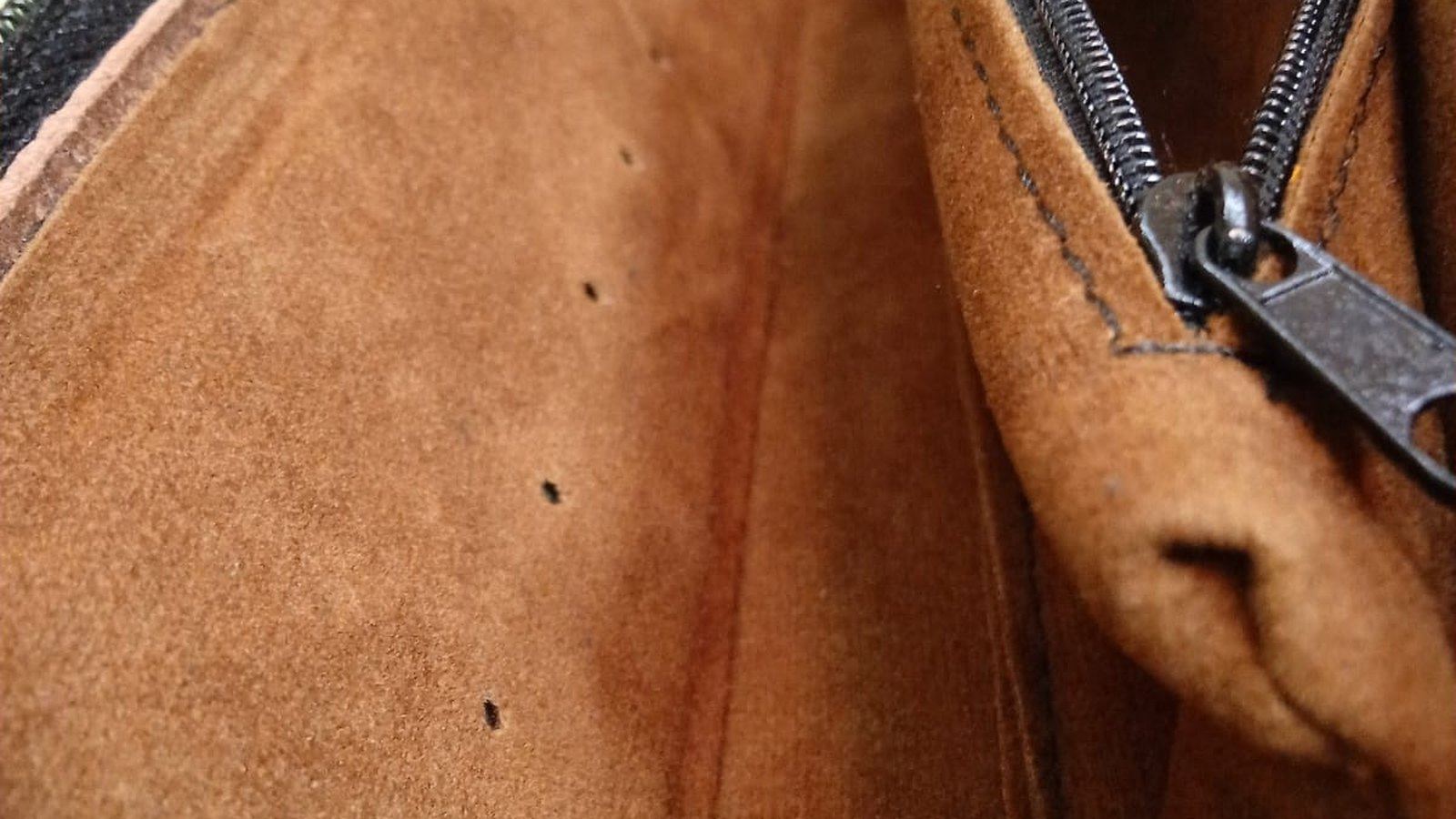
Wet Bags for Period Underwear: Choosing One That Won't Leak in Your Bag
How to size a wet bag from the pair you actually carry, what the inside and the zipper ends tell you, and how to wash it without wrecking the waterproofing.
Replacement Bra Pads: Picking Inserts That Actually Fit Your Bra
How to measure the pocket before you buy, compare shape and edge thickness, stop inserts from rotating, and get them through the wash without folding.

Reusable Nipple Covers: Wear Count, Grip and How to Clean Them
How many wears to expect, why the adhesive stops holding, the cleaning routine that actually restores grip, and when a pair is finished.
Underarm Sweat Pads for Blouses: Choosing Ones That Stay Put
Why adhesive sweat pads peel or leave marks, how to match a pad to the fabric you actually wear, and how to apply and remove one cleanly.
Specifying a Bra Extender: Hook Spacing and Sample Checks
A buyer-side workflow for bra extenders: measure the real closure, write hook spacing into the spec, and approve a physical sample before ordering stock.
Testing a Bra Laundry Bag: Zipper, Mesh and Fill Before You Order
A sample acceptance guide for lingerie brands: size the bag to real bras, treat the zipper as a system, and test the loaded bag after a wash.
Testing Period Underwear Gusset Fit Before a Side Leak
A brand-side workflow for period underwear: measure gusset geometry by size, check body contact, and run a repeatable edge-leak screen before production.
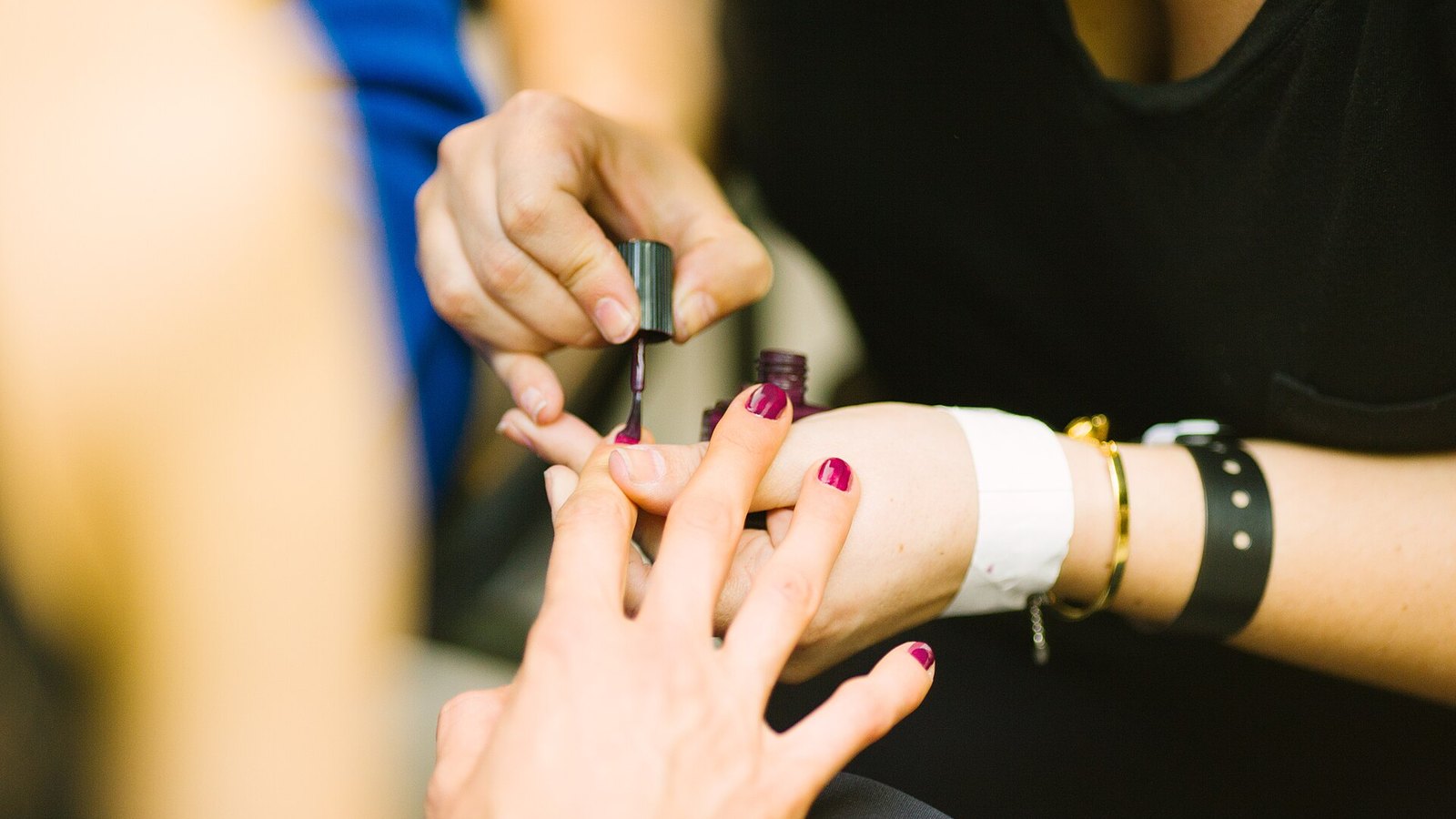
Choosing a Press-On Nail Sample Display for Salon Buyers
How salons and small press-on brands choose a sample display: pick the interaction first, plan replacement, test mounting and labels, then reorder against a reference.
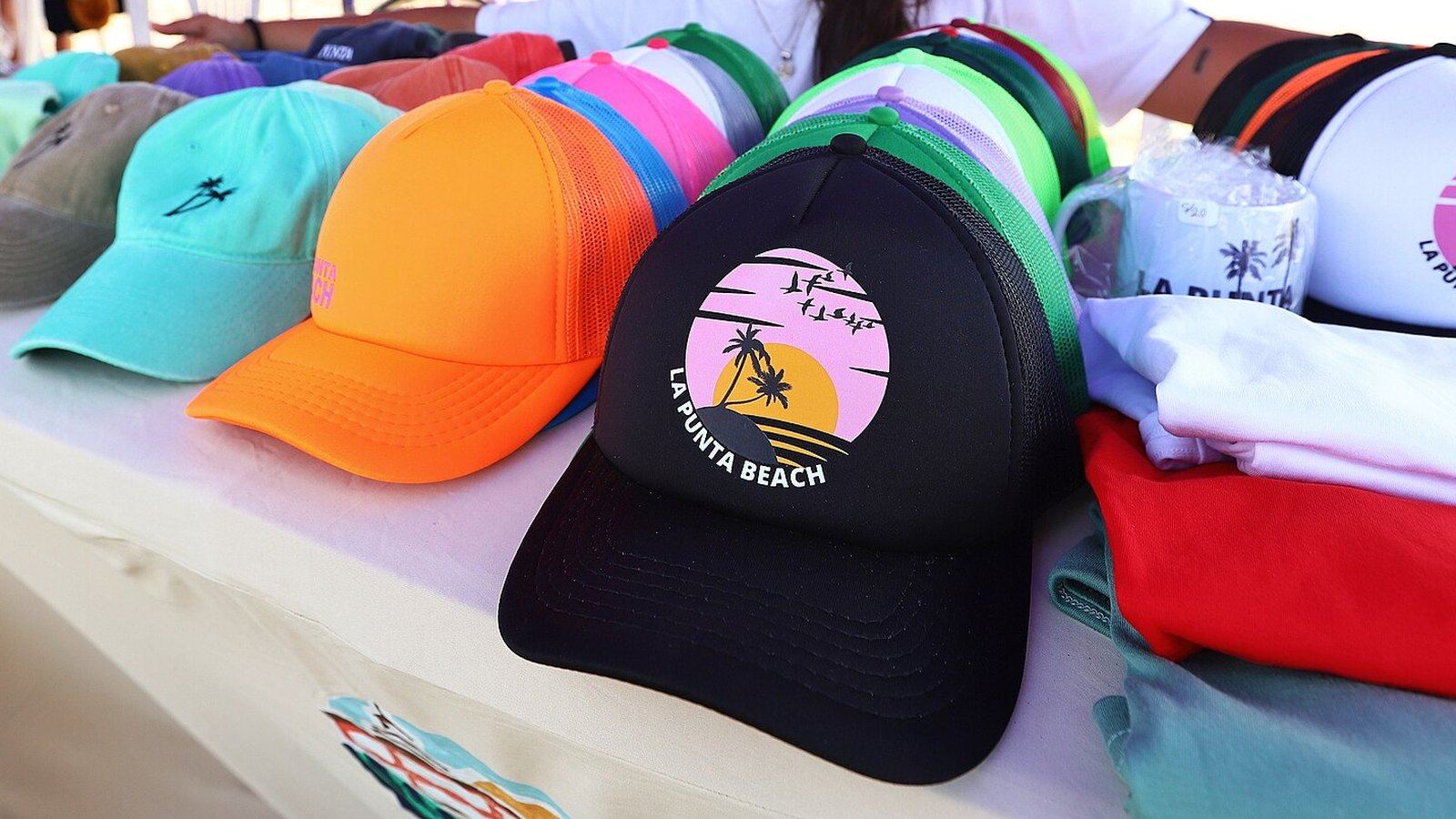
Sampling a Satin-Lined Baseball Cap: 8 Fit and Finish Checks
A buyer's sampling guide for satin-lined caps: define a wear profile, map the lining, measure crown depth, and test the closure before a bulk order.
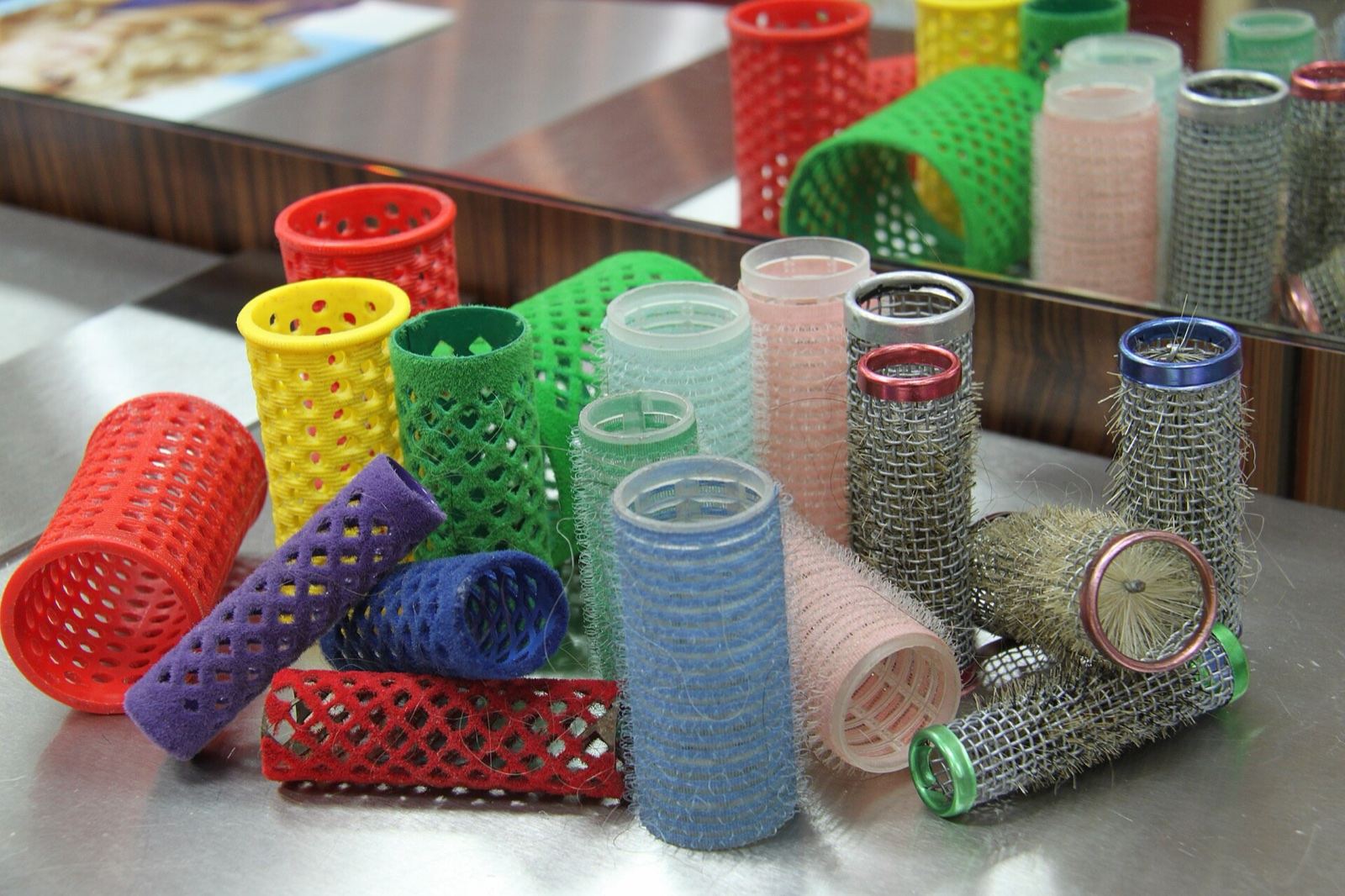
Heatless Curlers for Long Hair: Test Wrap Capacity Before You Order
A sampling method for hair-accessory brands: measure usable rod length, test wrap capacity on a defined hair profile, and check overnight comfort before buying.
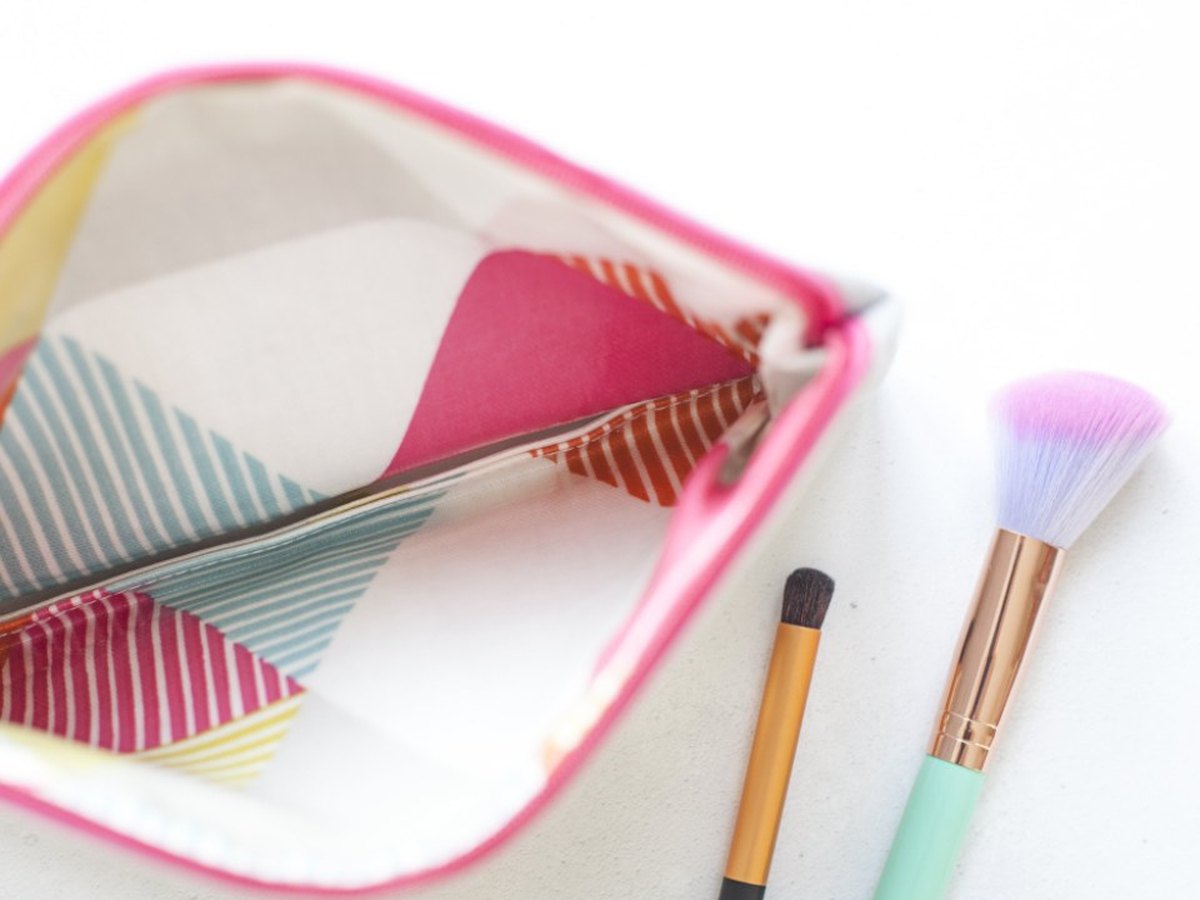
Testing a Makeup Sponge Case Before You Claim It Breathes
How beauty brands sample a travel sponge case: check real sponge fit, map the vents, test the closure in a packed bag, and keep the drying claim honest.
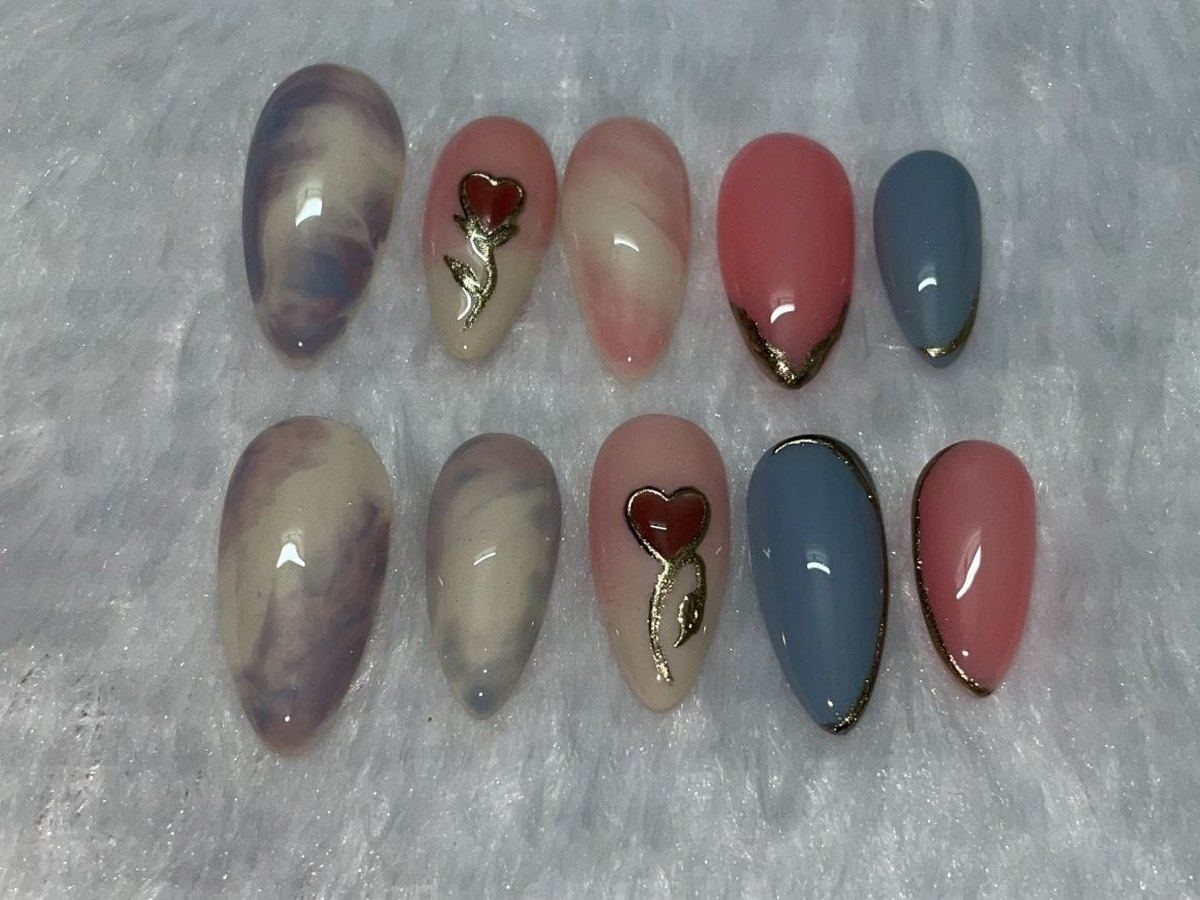
Reordering a Single-Size 3XL Nail Tip Refill Without Changing Your Fit
A reorder checklist for press-on brands buying one large tip size at a time: verify the variant, measure the bag, and set a hold list before the next lot lands.
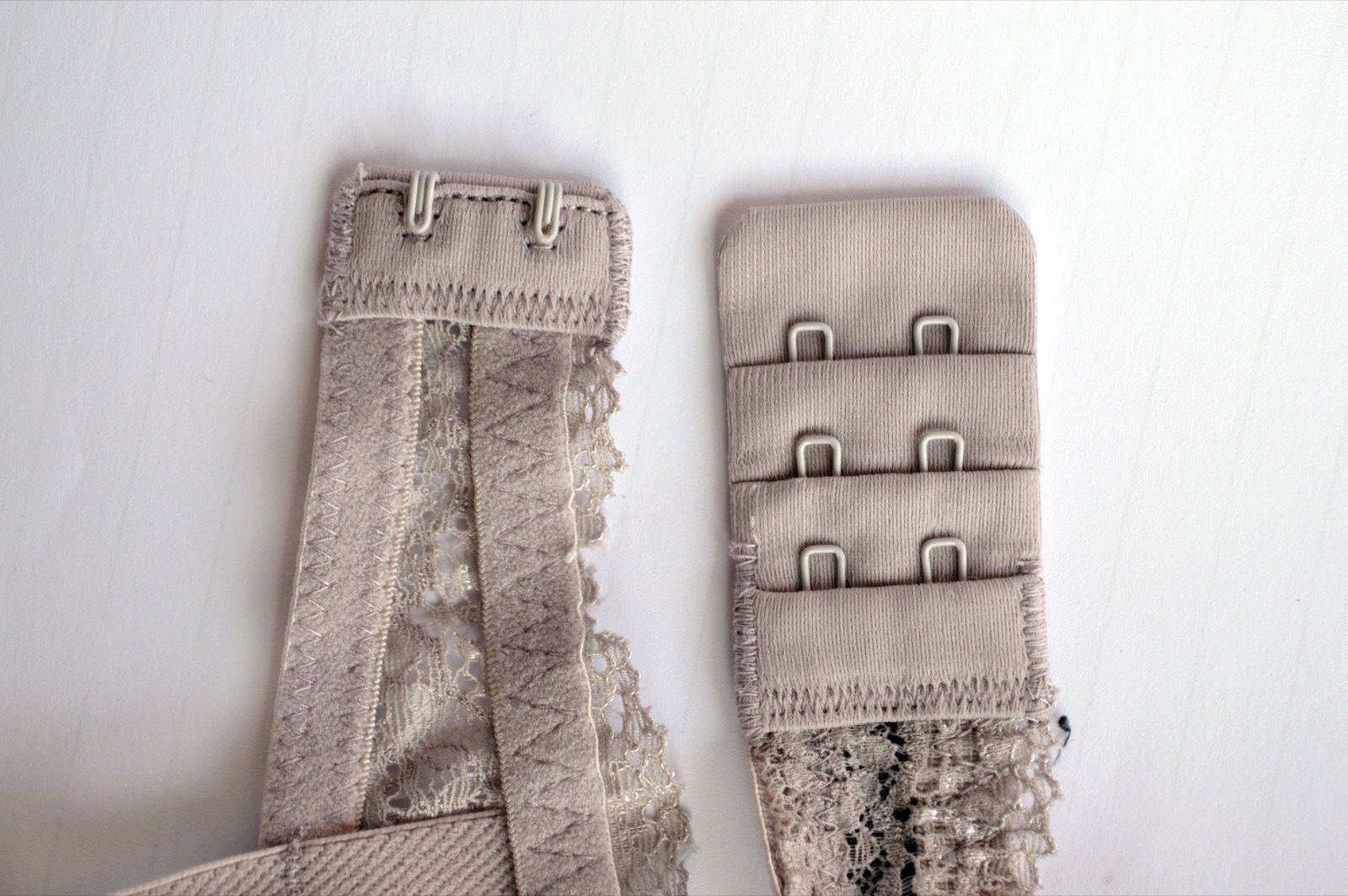
Bra Straps That Keep Slipping: Five Checks Before You Choose a Strap Grip
Separate a bra-fit problem from a strap problem, then match the accessory to the movement you actually observed.
How to Choose a Bra Wash Bag That Fits Without Folding the Cups
Measure the bra, match the bag shape to it, and dry-fit the garment before you trust a mesh pouch with a molded cup.
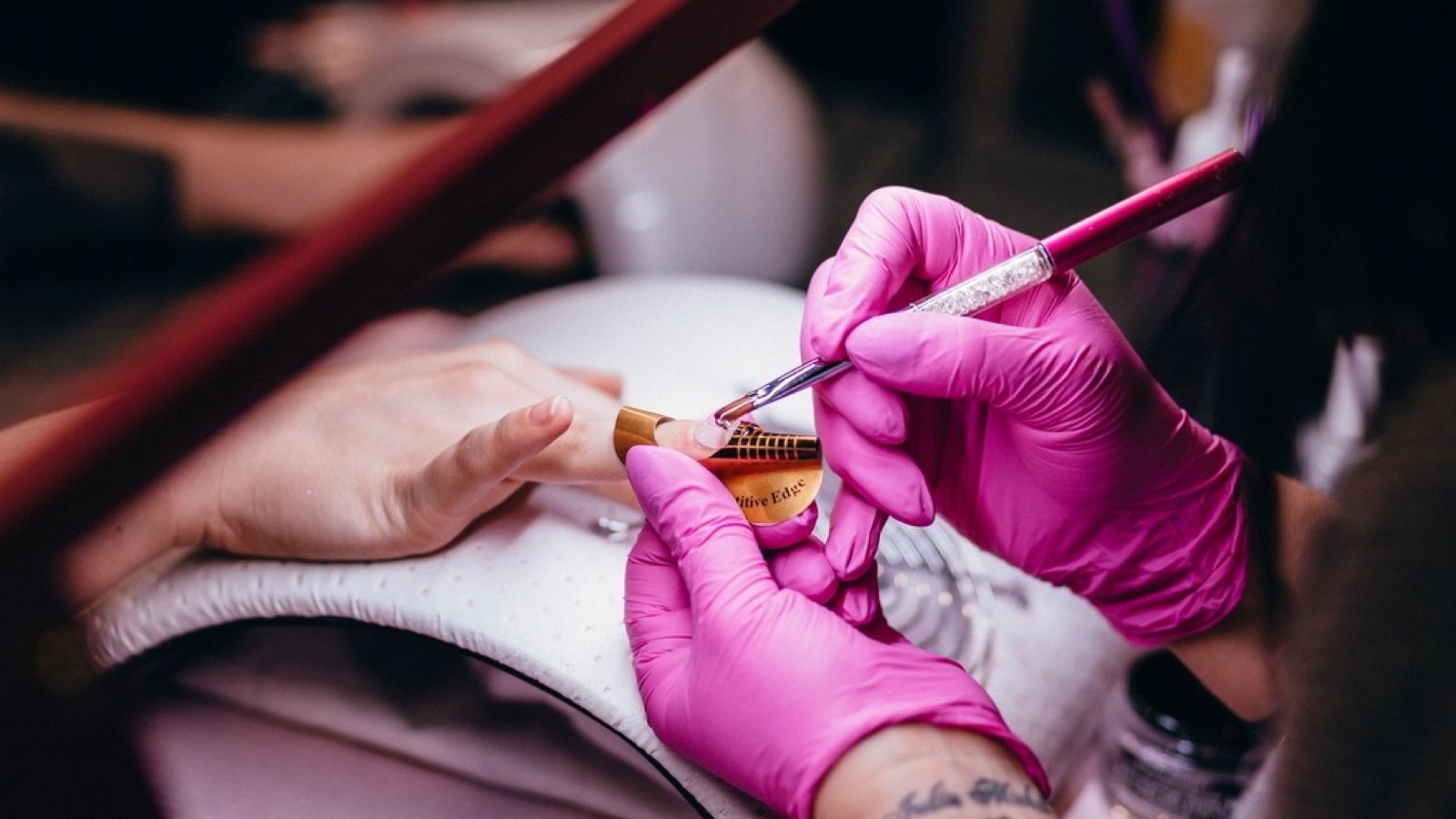
When a Single-Size Nail Tip Refill Makes Sense for a Small Brand
Use order records, landed cost per usable tip and a retained sample to decide whether refilling one size beats buying another mixed box.
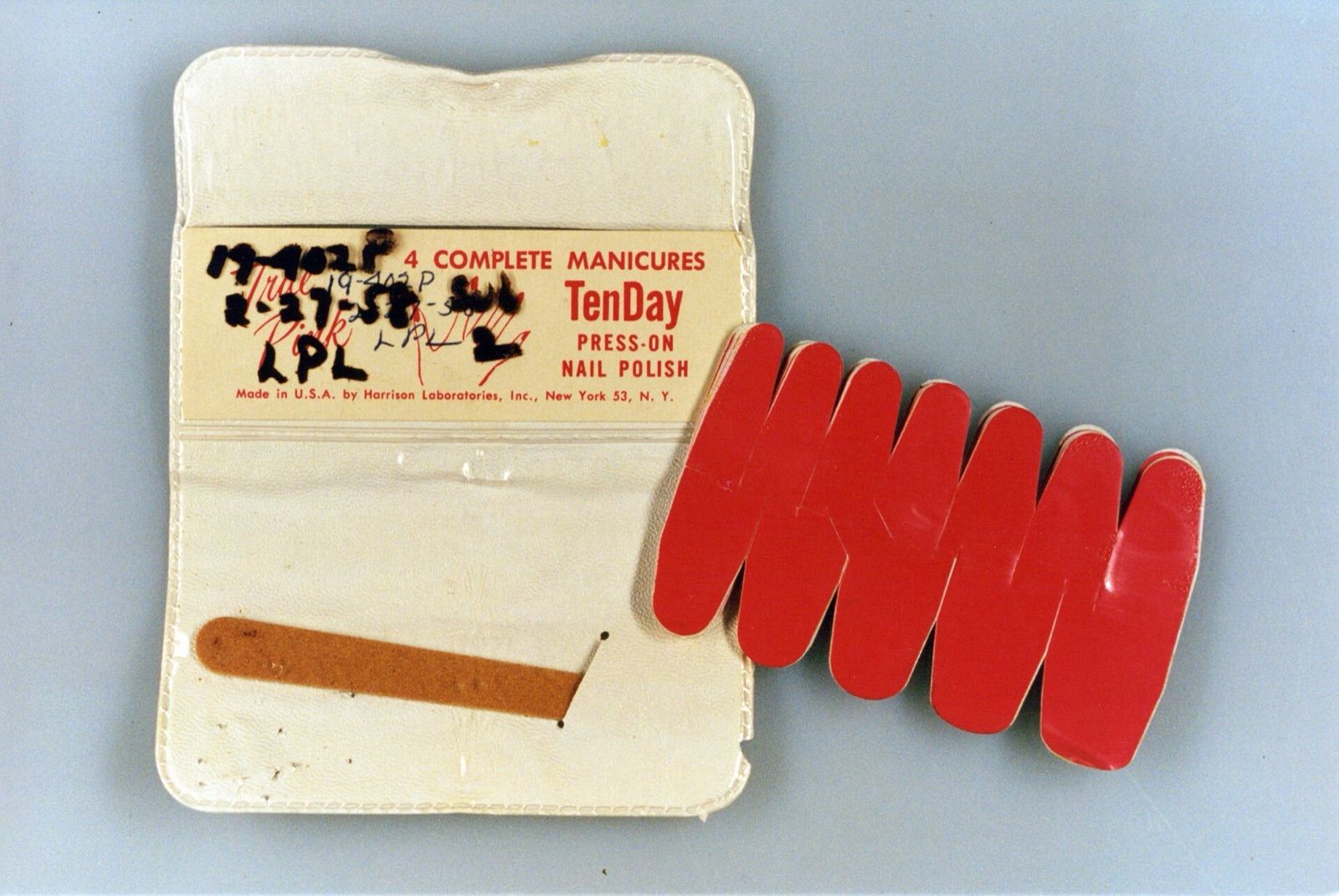
Keeping Press-On Nails on a Display Card Without Sending Residue Home
A mounting strip has two jobs: hold every nail through the mailer and release cleanly. How to test both on a difficult SKU, cost the assembly step, and brief a supplier.
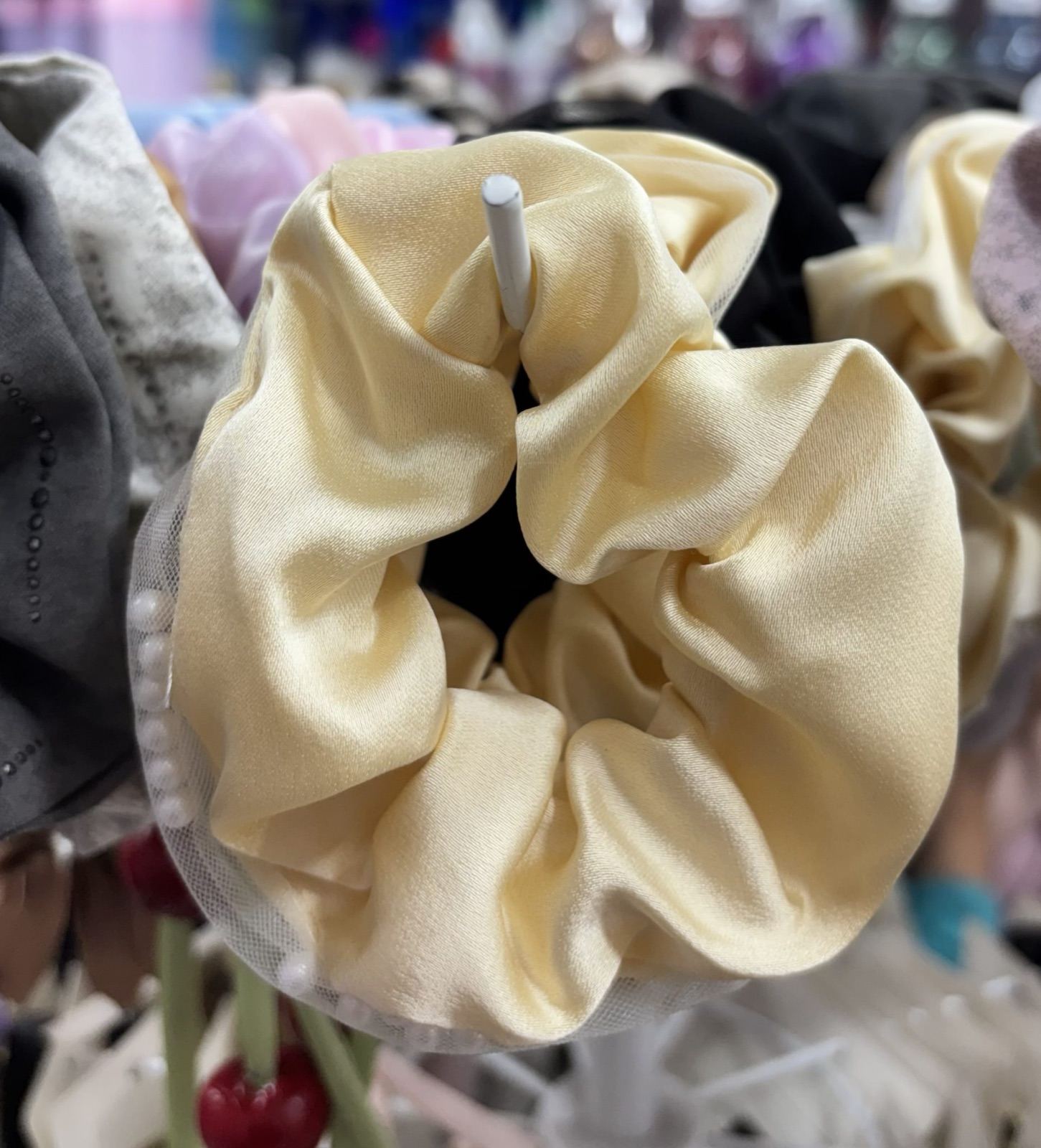
Silk Scrunchies for Fine Hair When Two Wraps Slip and Three Pull
A slim scrunchie can slide at two turns and bite at three. How to diagnose the complaint, compare finished samples on the same ponytail, and write a reorder brief.
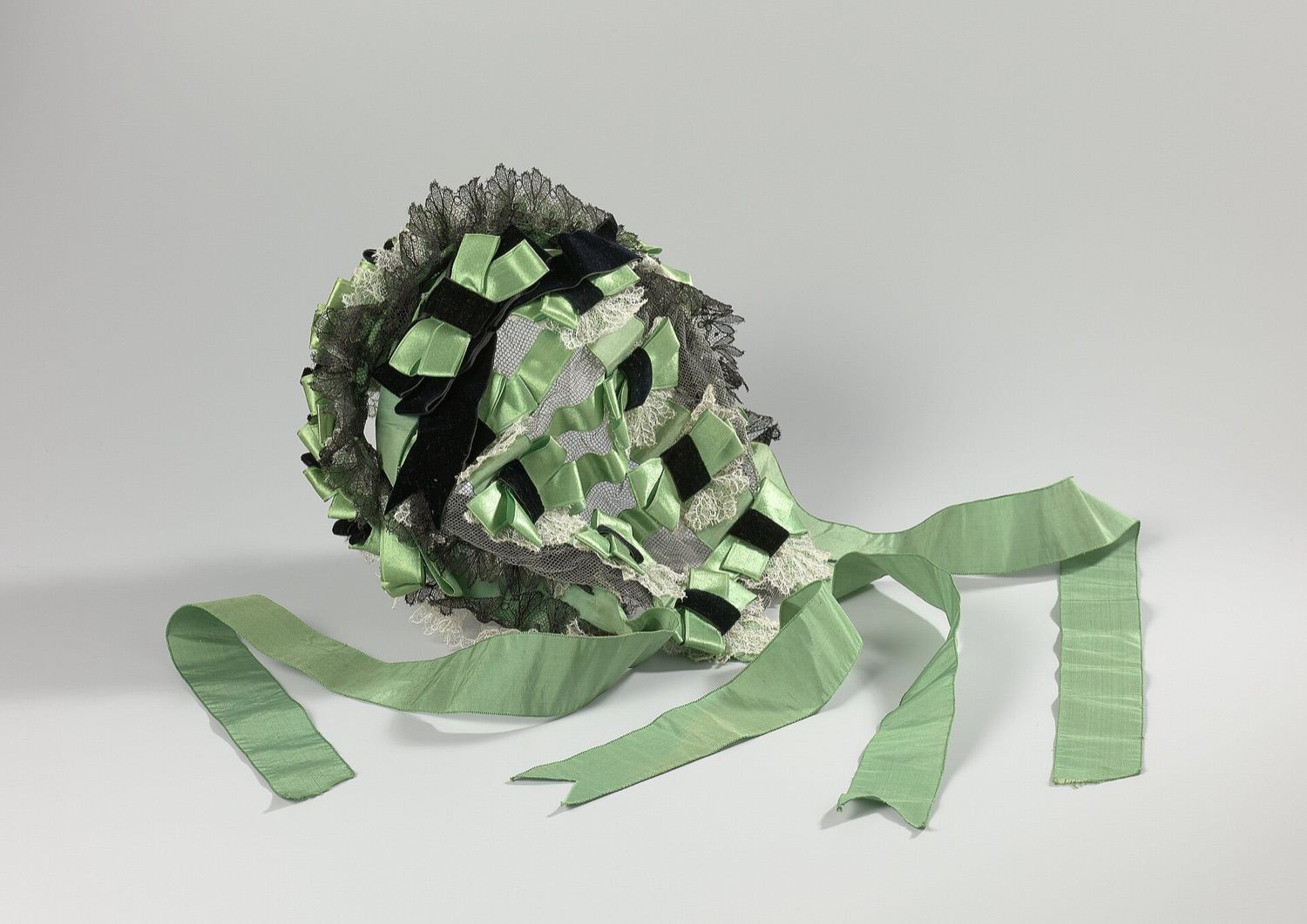
When a Tie Bonnet Stays On Only If It Hurts
A bonnet that only holds at a painful tie setting needs a closure decision, not a tighter knot. How to test opening, band and ties on real head shapes and hairstyles.
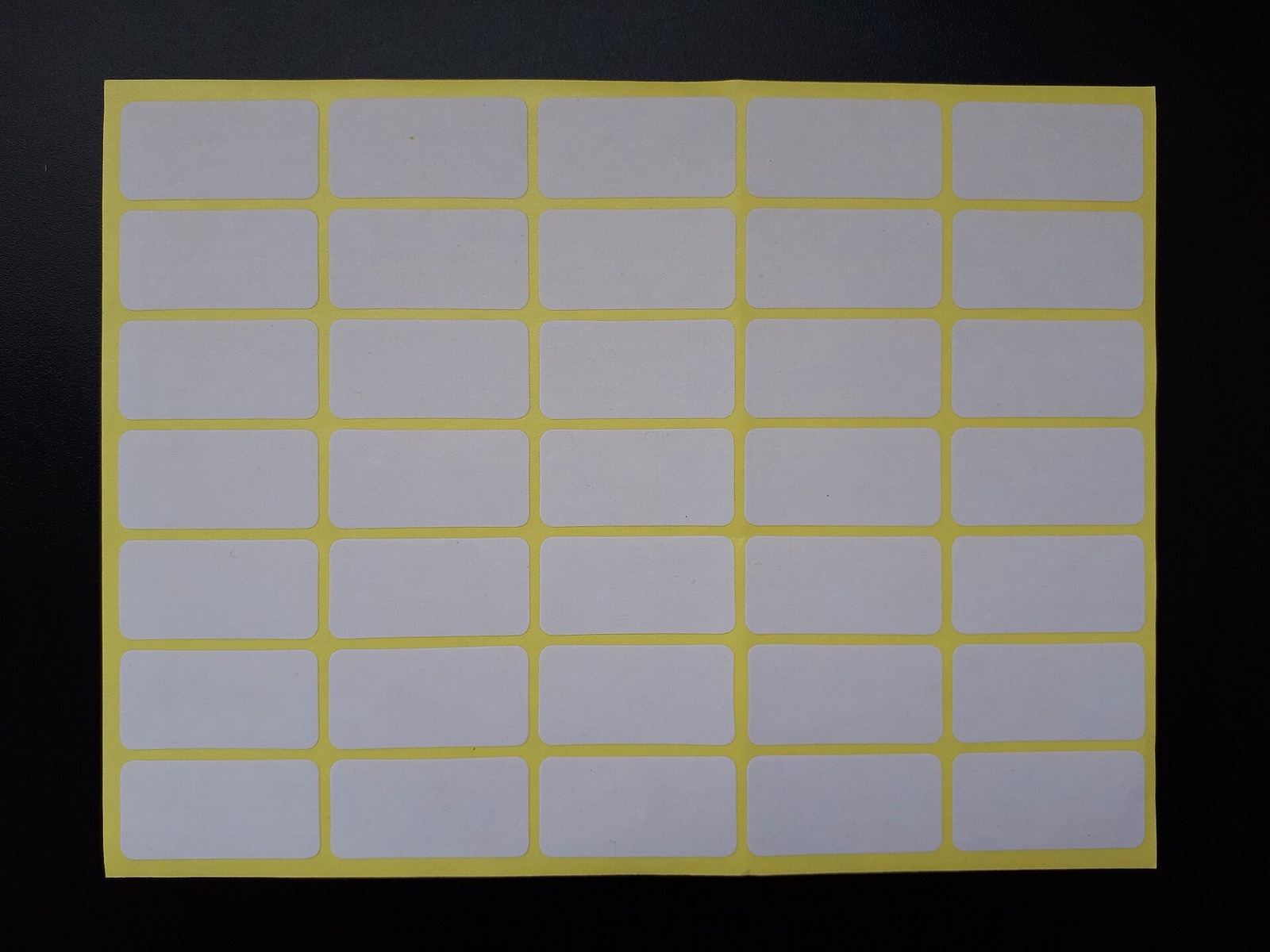
The Thumb Tabs Run Out First: A Sheet Audit for Press-On Nail Brands
A set can ship 24 nails and 24 tabs and still fail a second application. How to count usable pairs by finger, measure a sheet, test it, and price a complete application.
Why Nail Glue Is Still in the Bottle but the Cap Will Not Open
A blocked outlet, a bonded cap and a spinning closure are three different faults. How to tell them apart, and test a small glue bottle as a repeat-use system before you buy.
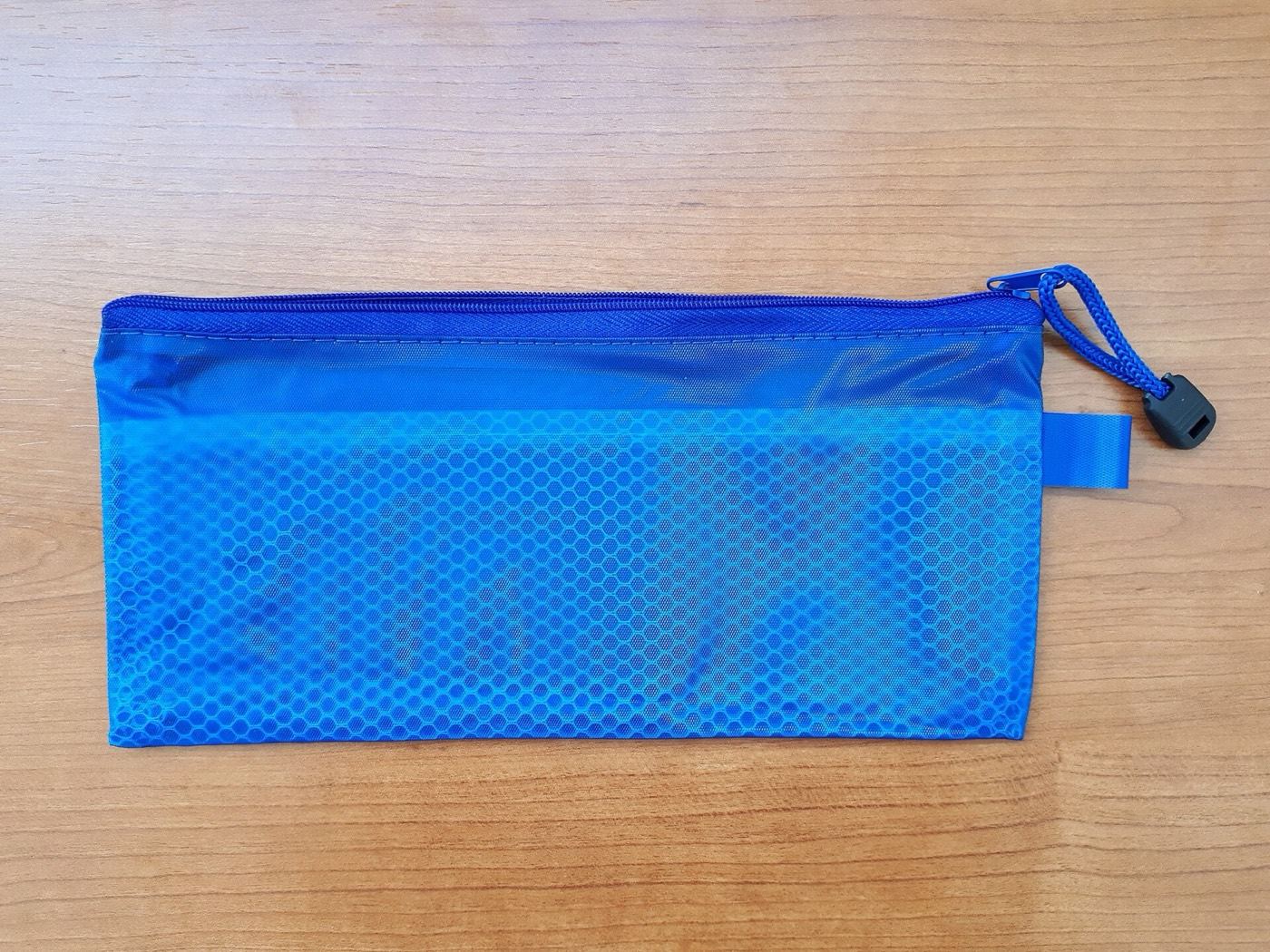
When a Wig Bag Zipper Catches Hair: A Sample Test Before Ordering
A snagged zipper can be a rough closure, a crowded bag or a moving hanging point. How to test insertion, closure and removal with a reference unit before reordering.
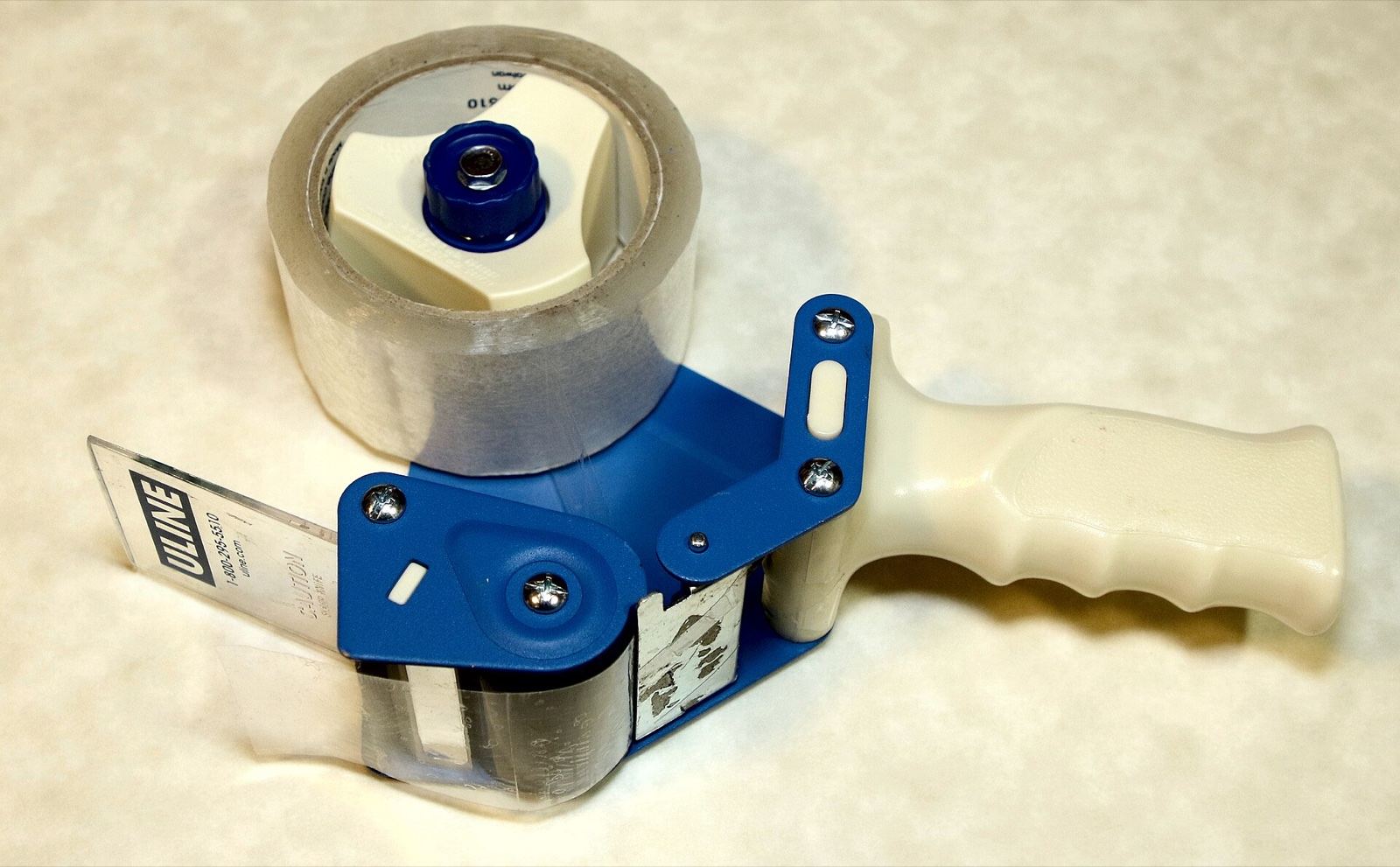
Why Press-On Nails Fall Off the Display Card Before the Box Is Opened
A mounting-tape test for small brands: separate the three adhesives in a kit, test retention and release, choose pre-cut strips or a roll, and cost the accepted card.
The Mini File in a Press-On Kit Has Two Jobs: A Buyer's 180/240-Grit Test
A component specification for brands packing one file with every set: define the permitted jobs, compare a thin board with a foam buffer, and reorder by accepted pieces.
One Prep Pad or Two? Set the Wipe Count Your Press-On Kit Actually Needs
An alcohol pad can go dry before the second hand. How to define the pad's job, run a ten-nail trial, write the purchase spec, and cost the pack-out honestly.
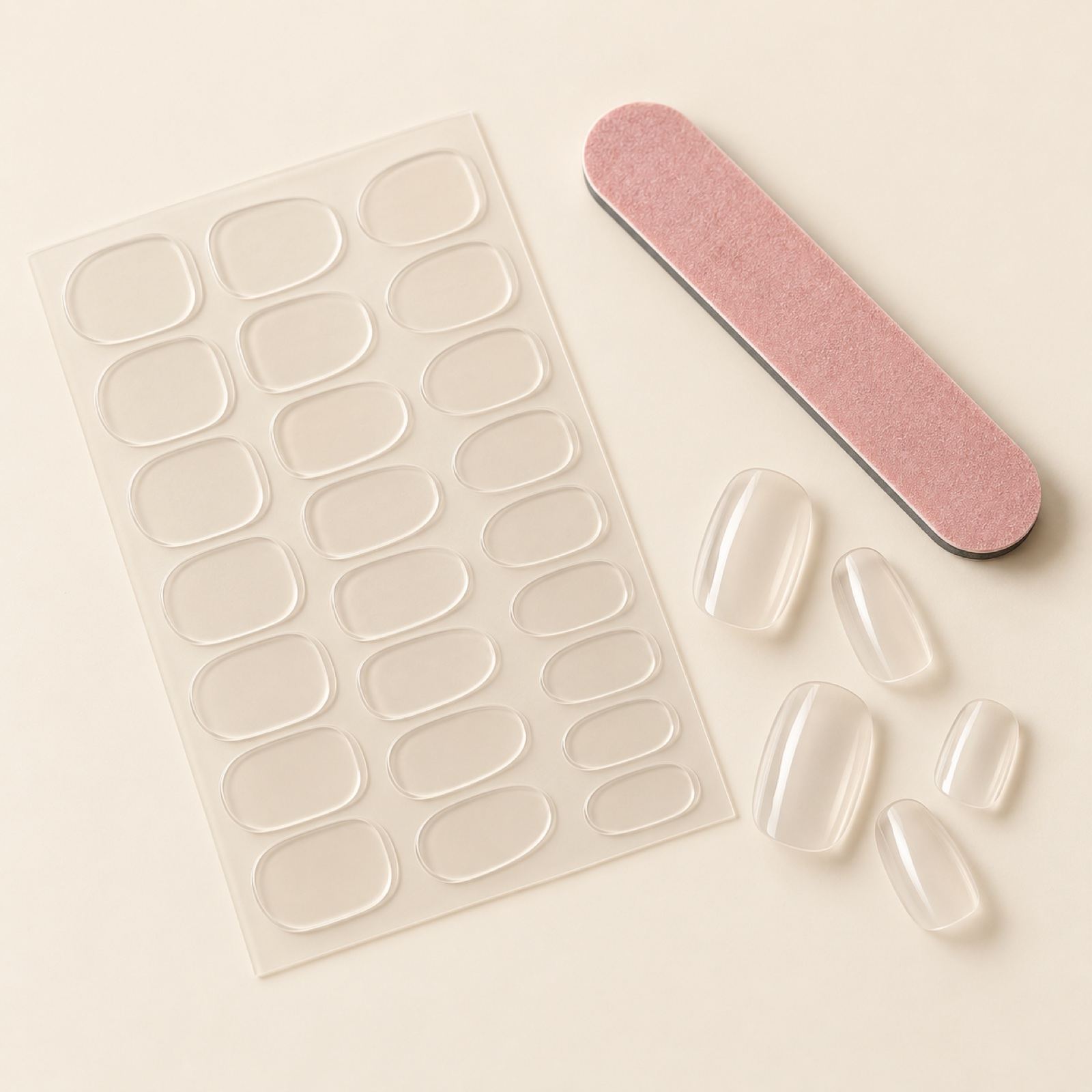
What to Check Before Adding Nail Glue to Every Press-On Kit
The glue bottle can be the smallest item in the kit and the biggest source of complaints. A small-batch approval process for the adhesive, applicator, label, packaging and cost.
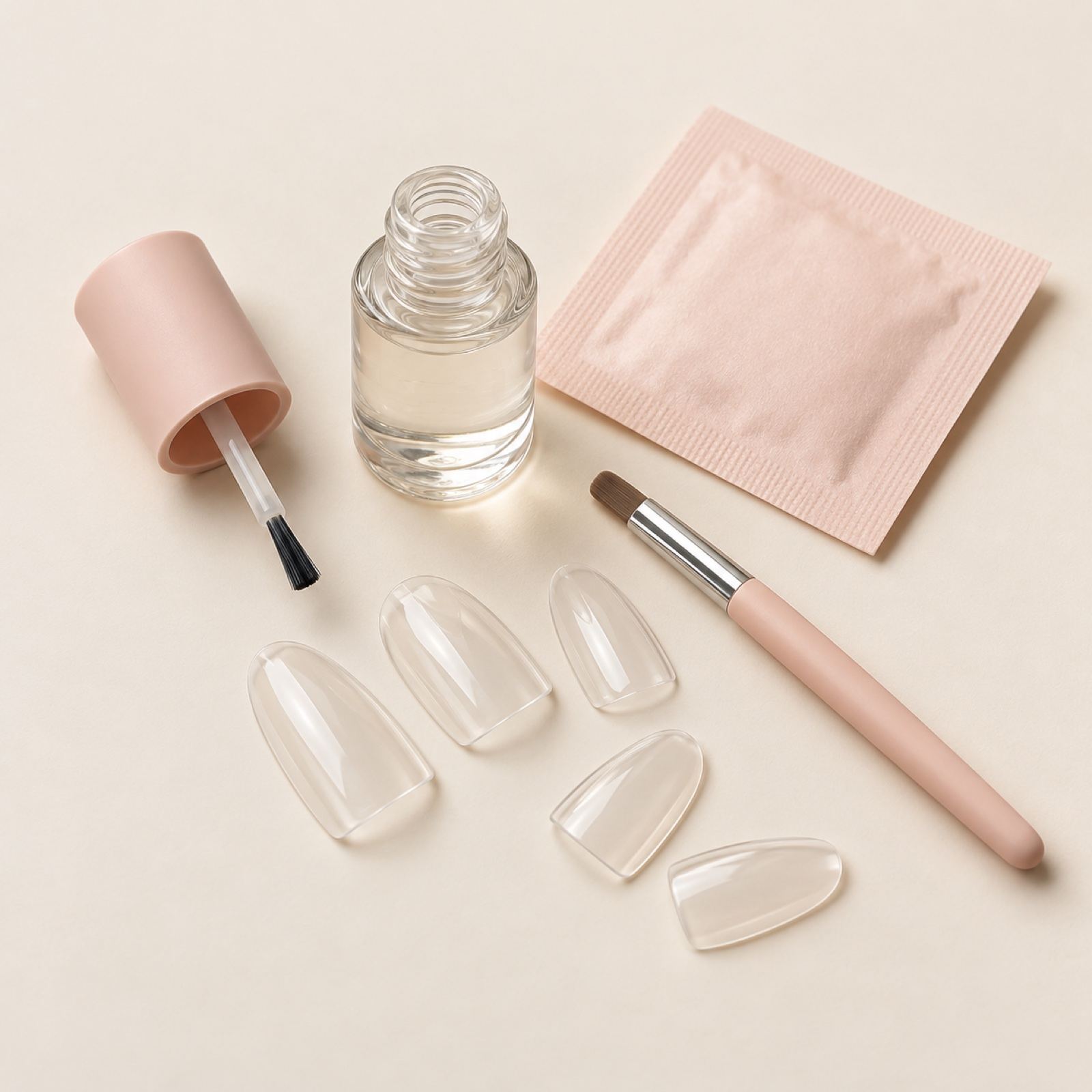
Brush-On Nail Glue for Press-Ons: Even Coverage Without Flooding the Cuticle
A brush helps with control but cannot correct a poor fit. How to size the press-on first, meter a brush-on layer, handle overflow safely, and buy the right bottle.
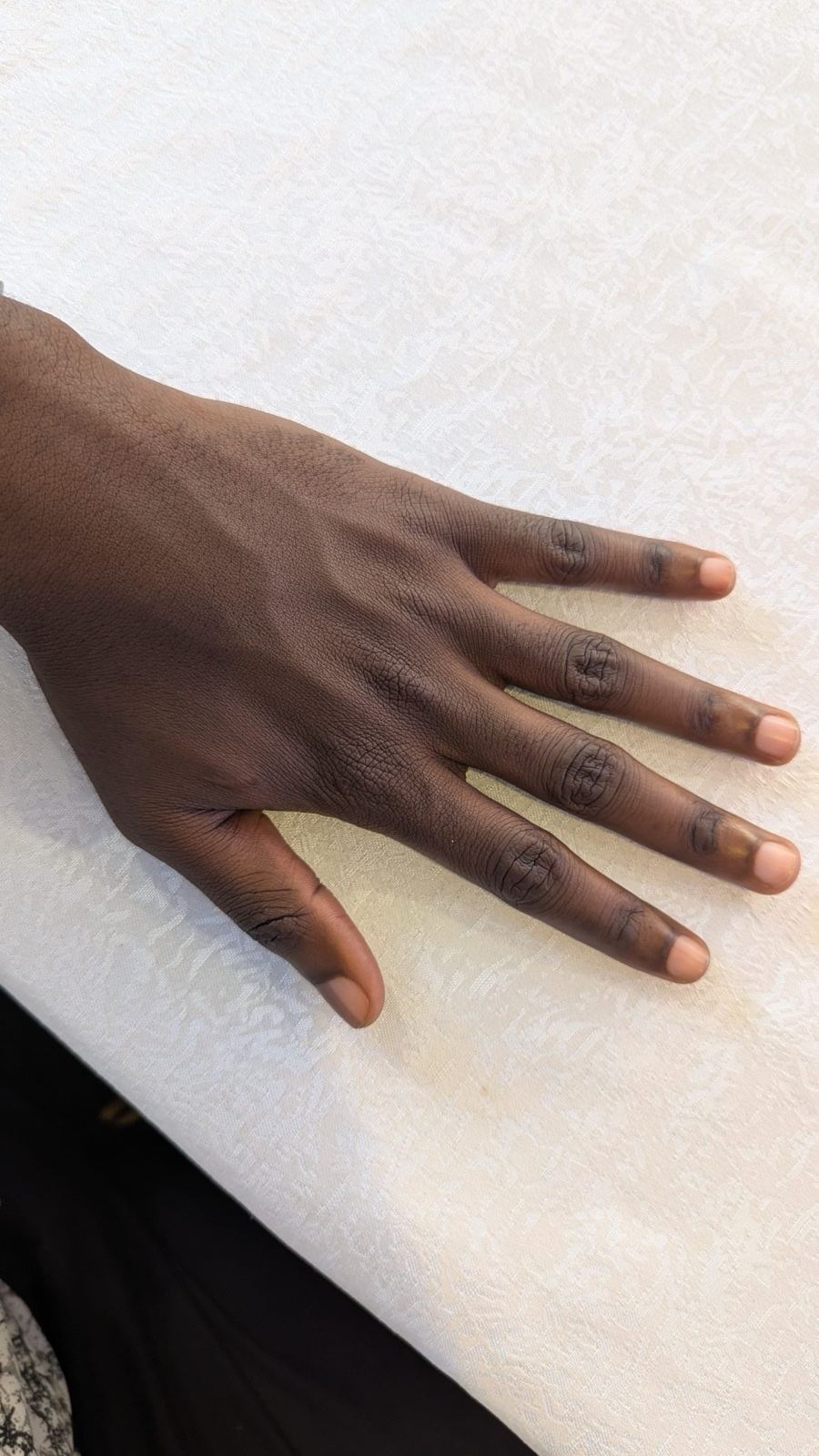
When the Width Fits but the Nail Still Pinches: A C-Curve Sample Check
A tip can cover the nail and still feel wrong. How to separate C-curve from width and profile, record a repeatable sample, and approve a mould before you reorder.
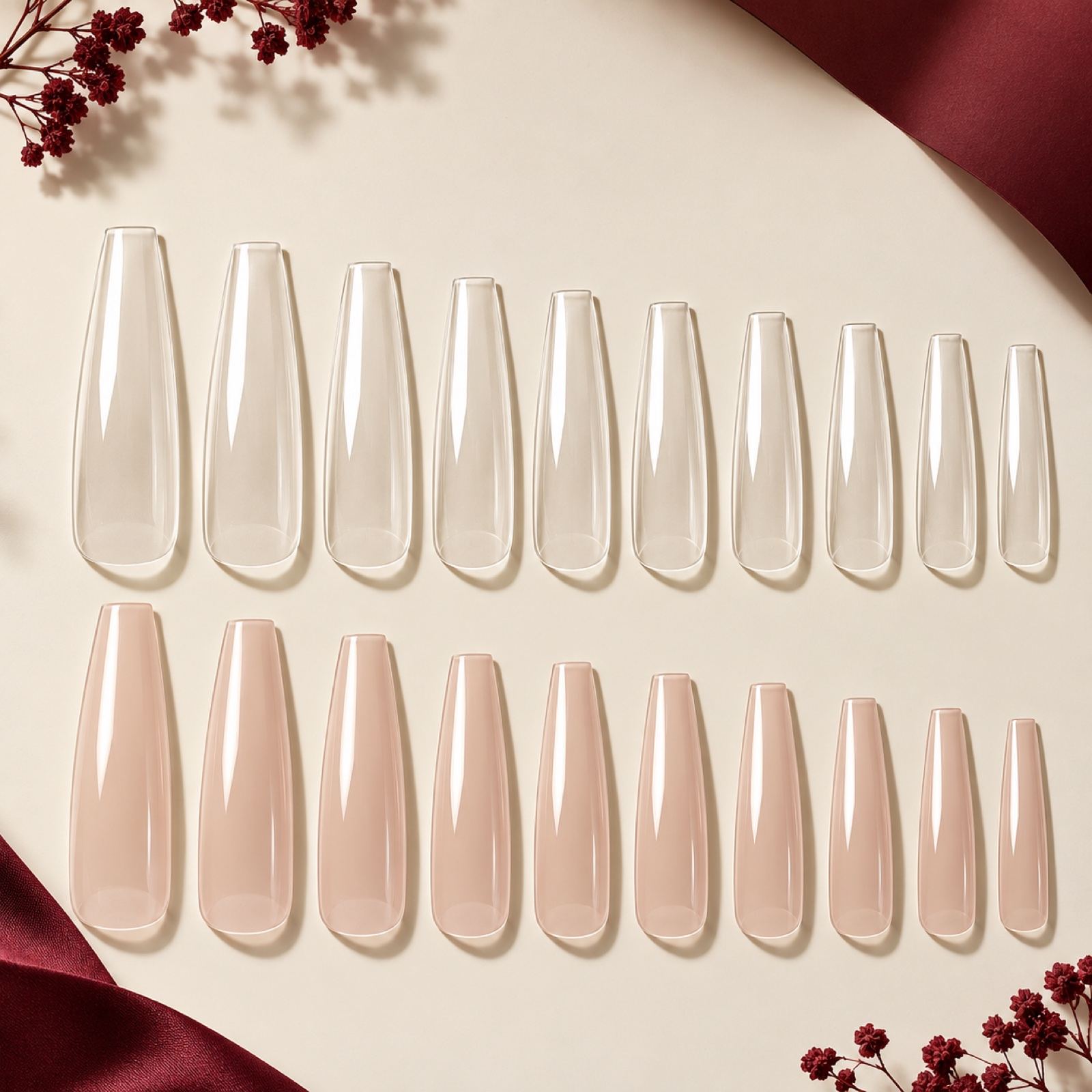
Will a Single-Size Nail-Tip Refill Match Your Kit? Mould, Curve and Cost Checks
A refill cuts dead stock, but only if the tips match the system you sell. Seven checks on mould identity, dimensions, curve, demand, landed cost and acceptance testing.
When a Bag Beats a Box for Press-On Nail Packaging
Choose the retail pack by set format, sales channel, shipping path and reorder plan. How bags, rigid boxes and reusable cases differ in cost, labour and protection.
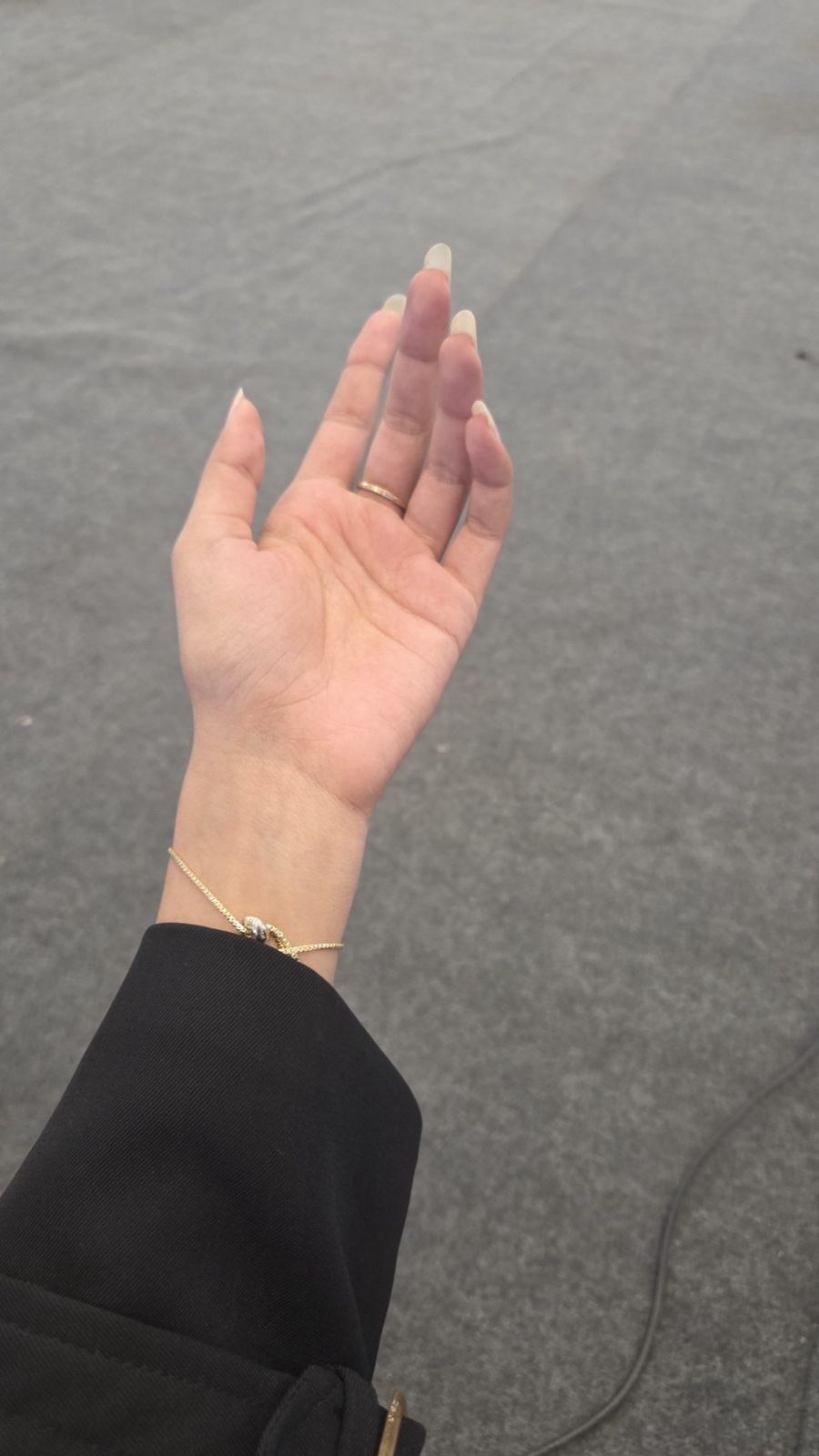
Petite Is Not Just Short: A Product-Line Test for Press-On Nail Brands
A label is not a fit specification. How to separate visible length, bed fit and design coverage, then test a petite range before committing to a new mold.
Should a Press-On Nail Kit Include a Remover? Match the Instructions to the Adhesive
Not every press-on kit needs a remover, but every kit needs a removal route that matches its adhesive. How to match the pack-out, write the card, and test a sample.

Before You Order Packaging for Long and 3D Press-On Nails
A sample fit check for the tray, retail box and shipping mailer. Measure the packed set, ask for usable internal dimensions, and prove the fit before approving artwork.

Long Braid Bonnets: Fit and Sample Checks for Length, Volume and Slippage
An extra-long bonnet can still fail a wearer with long braids. How to measure contained length, bundle circumference and crown depth, then turn the result into a supplier brief.
Press-On Nail Book or Boxes: A Better System for Storing Sets and Spare Sizes
A storage book and a box solve different problems. How to keep complete sets, loose spares and size maps identifiable as a press-on collection grows, and what brands should sample first.
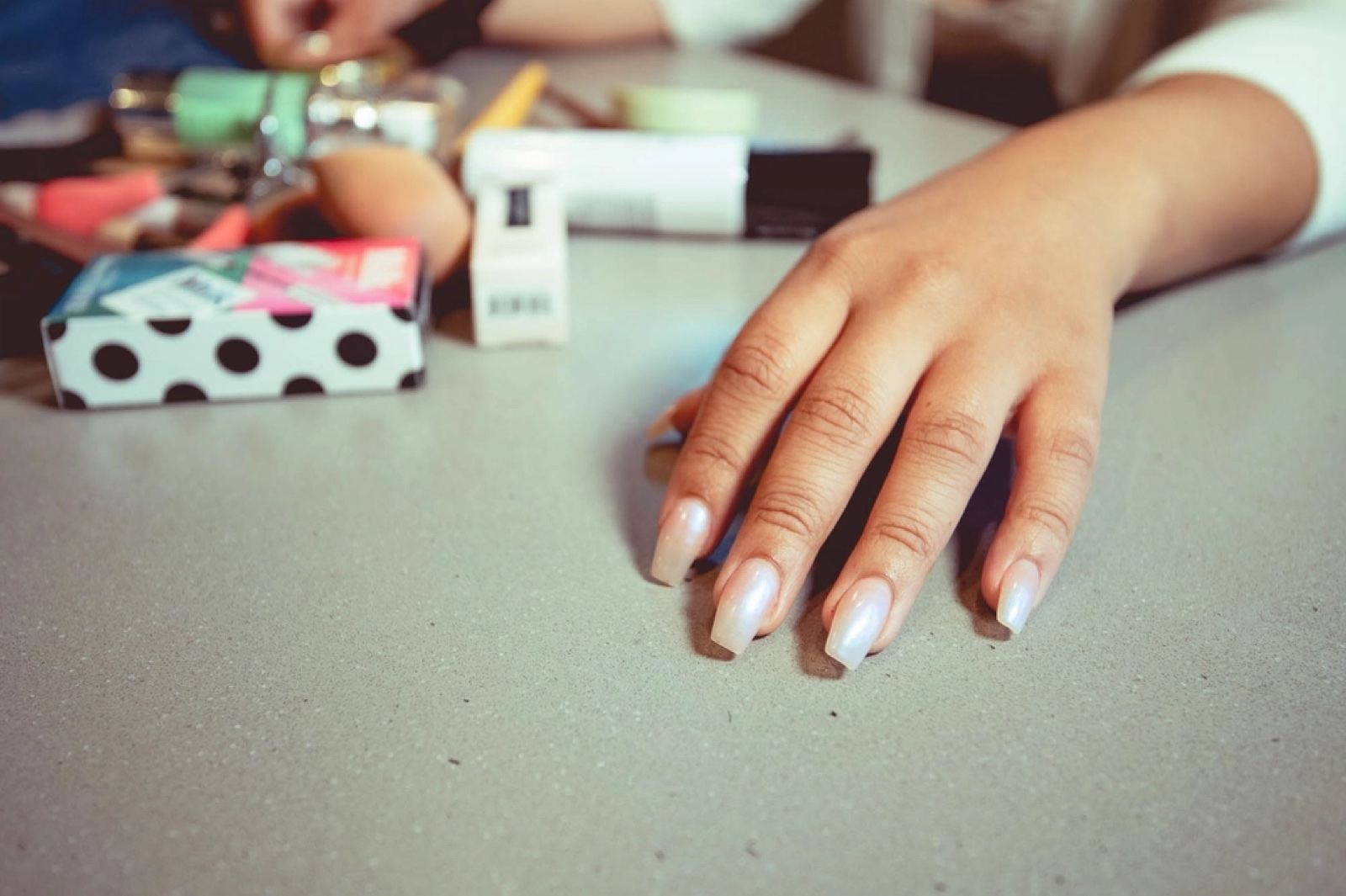
Why Do Press-On Nails Stop Fitting After Gel Polish?
A tip that fits while blank can feel too tight once it is finished. How to compare a matched blank and decorated tip, read the result, and base your size chart on the finished product.
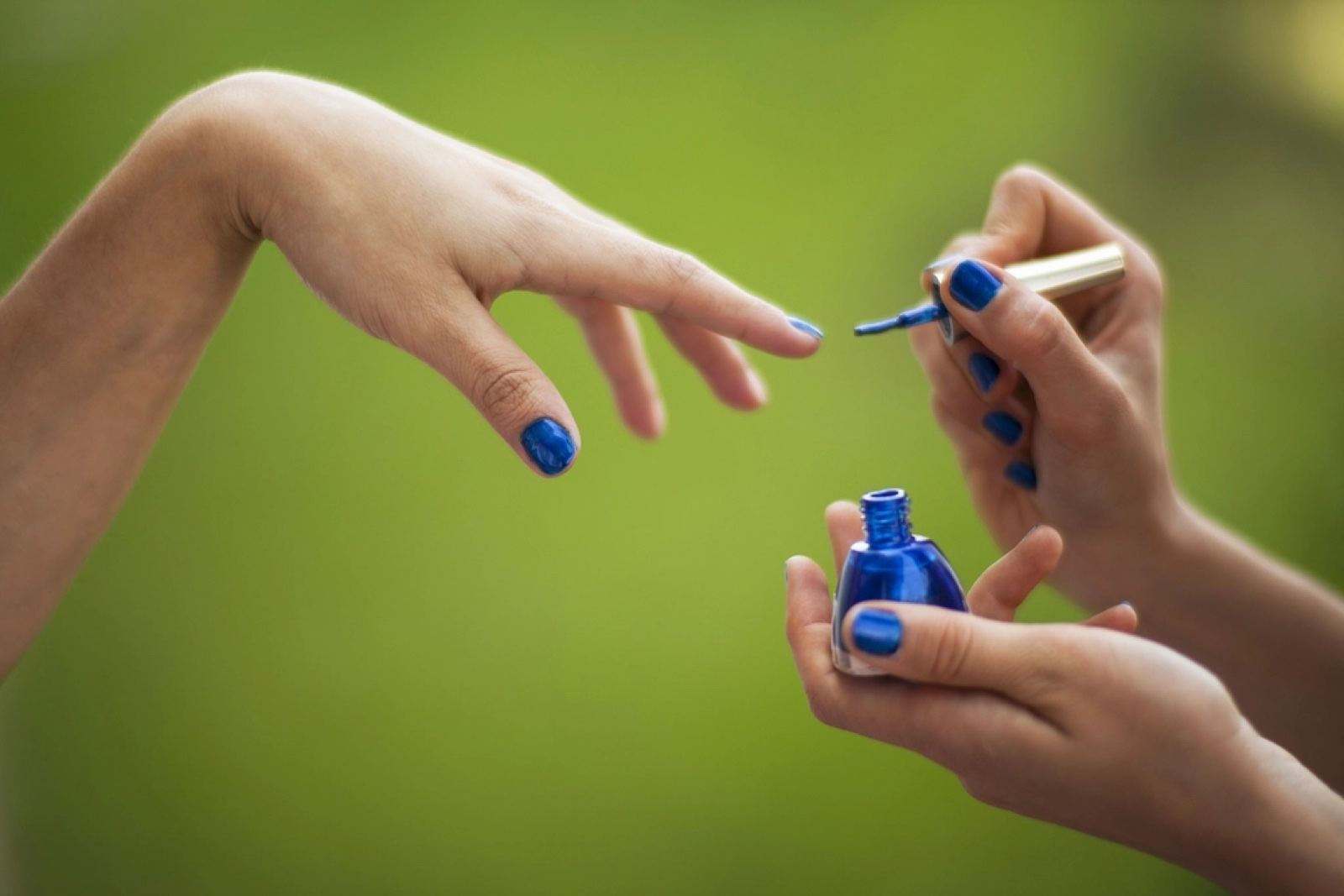
What Should Match Between a Press-On Nail Sizing Kit and the Finished Set?
A sizing kit is a product specification, not a miniature sample pack. How to keep a kit and the finished set aligned through five checkpoints, a comparison sheet, and a release test.

Drying a Synthetic Wig Without Stretching the Cap
A synthetic wig should dry on a support that lets air into the cap without pulling it wider. How to pick a stand, measure the drop, and know when the cap is really dry.

Why Your Lash Applicator Pulls Clusters Off: 4 Checks Before Replacing It
A lash applicator that lifts a cluster is a symptom, not a diagnosis. Check the contact point, the bond amount, the release and the jaws before you buy another tool.
Lost One Press-On Nail? Check the Spares Before Buying Another Set
Replacing a single missing press-on starts with the unused nails from the same set. How to check a spare on the finger it has to fit, and when to ask the original seller.
Nail Adhesive Tabs That Preserve the Fit of Your Press-Ons
If a press-on looks raised once you add an adhesive tab, the tab is the variable to check — not the nail size. How to match a refill to a manicure that already fits.
A New Batch of Nail Tips Can Look Right and Still Break Your Size System
Before adding a new batch of blank nail tips to your press-on stock, compare it with an approved reference. A practical release check for fit, curve, finish, sizing kits and pack-out.
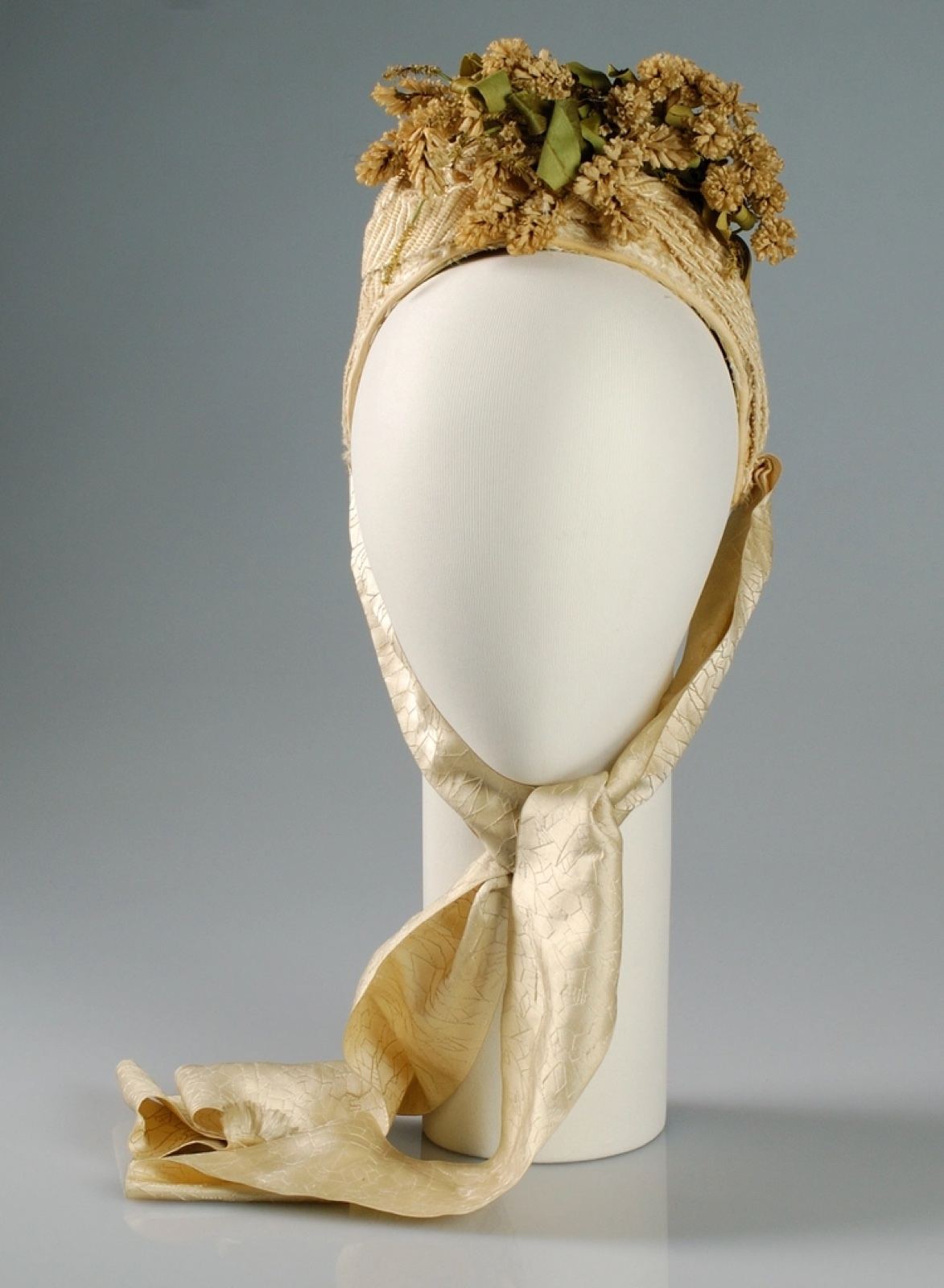
When a Satin Bonnet Stains Your Pillowcase
A bonnet that keeps leaving colour on bedding is a colourfastness question, not a fabric-softness one. How to locate the source, check the exact variant, and ask for evidence.
5 Fit Checks for a Wig Grip That Keeps Sliding Back
A wig grip can move while the wig stays put. Five checks — which layer moves, pile direction, layering, closure range and repeat movement — before you replace the band.
Wig Grip Too Tight: How to Test Comfort Before Sample Approval
A grip can feel secure and still be too tight. How to separate the grip from the rest of the fit, measure the usable closure range, and treat comfort as a specification.
How to Choose a Wig Storage Net Without Crushing the Style
A wig storage net should gather loose hair without squeezing the style. How to read the advertised inches, compare capacity, and test removal before you buy a pack.
Long Press-On Nails Need More Than a Pretty Box
A long or 3D press-on set fails in packaging long before the design does. How to classify the stress, measure the packed set, sample the format and keep the claim honest.
A Wig Bag Cannot Solve a Crushed Style: Build a Travel Pack-Out for Long Wigs
A retail wig bag is not automatically a travel system. How to define the journey, measure the finished unit, sample the components and keep a travel claim honest.
A Press-On Nail Sizing Kit Must Match the Set You Sell
Numbers only mean something inside one tip system. How to version-control a press-on sizing kit so the blank tips a customer measures are the tips her final set is built from.
When One Nail Size Runs Out First: A Practical Refill Buying Guide for Press-On Nail Sellers
Single-size refills, mixed boxes and replacement promises. How to identify the exact tip before reordering, and when a full box is the safer buy.
The Thumb Is Where a Press-On Nail Size Range Breaks
A size range can look complete and still fail at the thumb. How to record coverage, sample the largest tip as its own task, and connect the chart, kit and checkout.
24 Nails Is Not a Fit Strategy: How to Plan a Press-On Nail Assortment
A 24- or 30-piece press-on set is a size assortment, not a display set plus extras. How to plan repeats, spares and replenishment so a real customer gets ten usable nails.

Before You Approve a Press-On Nail Tip, Test How It Bends
A press-on that bends or cracks is often approved from the wrong sample. How to separate elastic movement, permanent warp, cracking and fit-driven stress before a bulk order.
When a Press-On Lifts at the Sides, the Problem Is Not Always Glue: A Brand Sampling Guide
Side lifting on a press-on rarely starts with the adhesive. How to check sidewall fit, curve and contact area on a dry fit before you approve a tip or blame the glue.
Before You Order Wig Storage Bags, Pack a Real Wig Inside
A wig storage bag is packaging, not an accessory you pick from a photo. How to measure the packed wig, brief a supplier, and sample-test a bag before a bulk order.

Flat Nail Beds and Press-On Nails: The C-Curve Question Most Size Charts Miss
Width is only half of a press-on fit. How to sample the C-curve — the crosswise arch a size chart never shows — so a tip rests on a flat nail bed instead of bridging over it.
A Long Nail Bed Can Make a Press-On Set Look Too Short: What to Measure Before You Approve a Tip
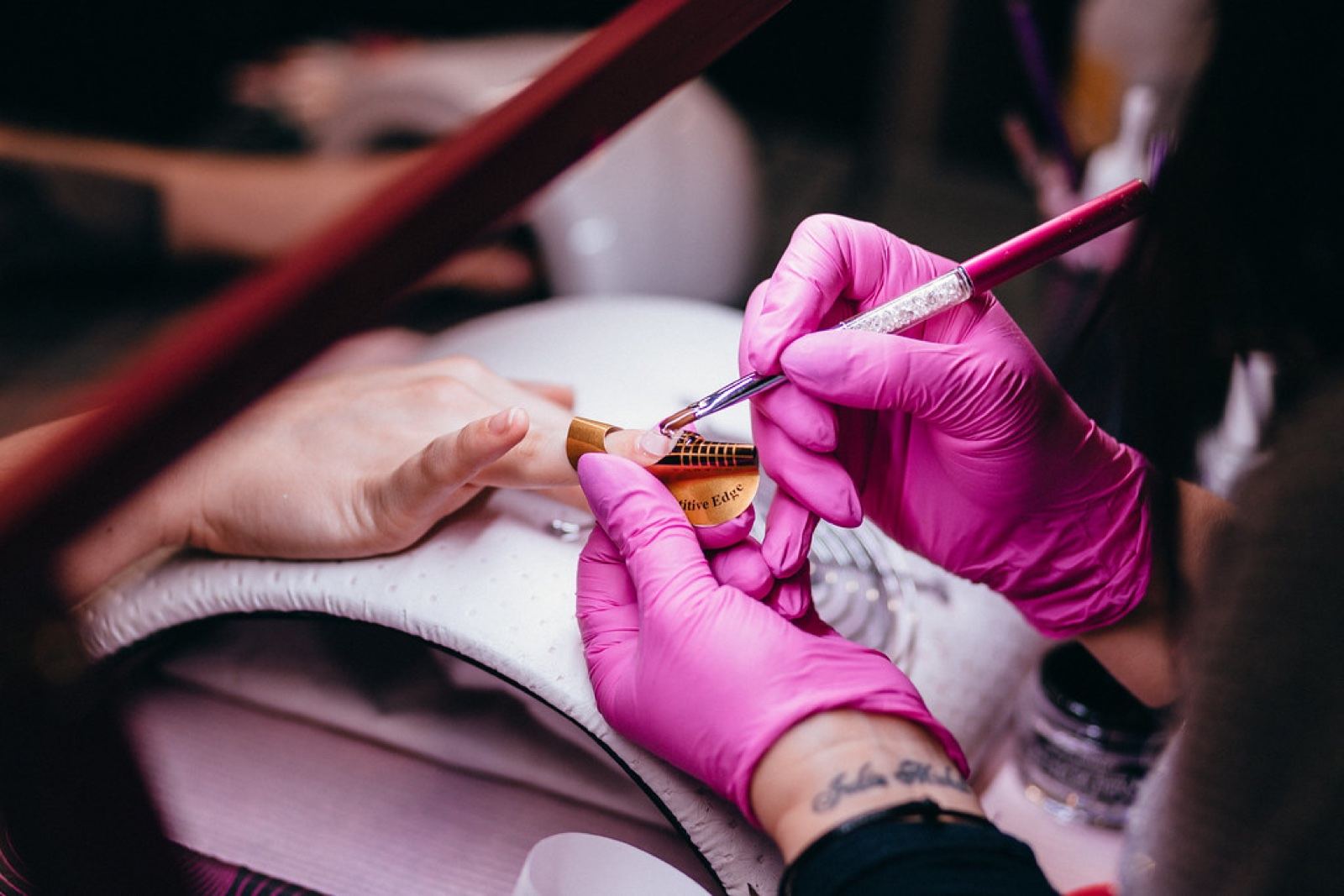
A press-on can be the advertised length and still look short on a long nail plate. How to measure base coverage separately from visible extension before approving a tip.
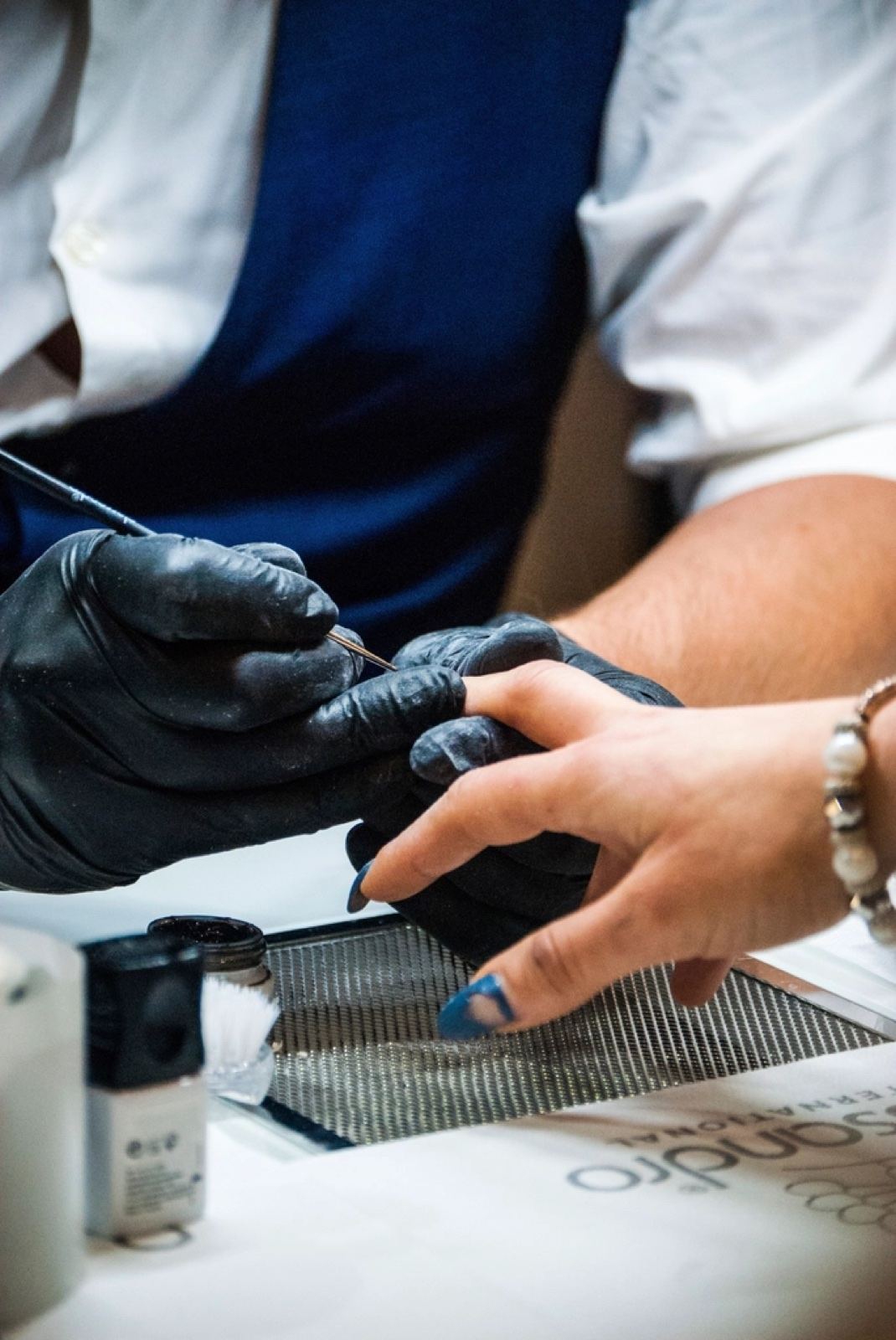
When a Press-On Fits at the Cuticle but Not the Tip: A Brand Guide to Fan-Shaped Nail Beds
When a press-on fits at the cuticle but not the tip, the nail bed is fan-shaped. How to measure both widths and sample the outlines your range can actually cover.
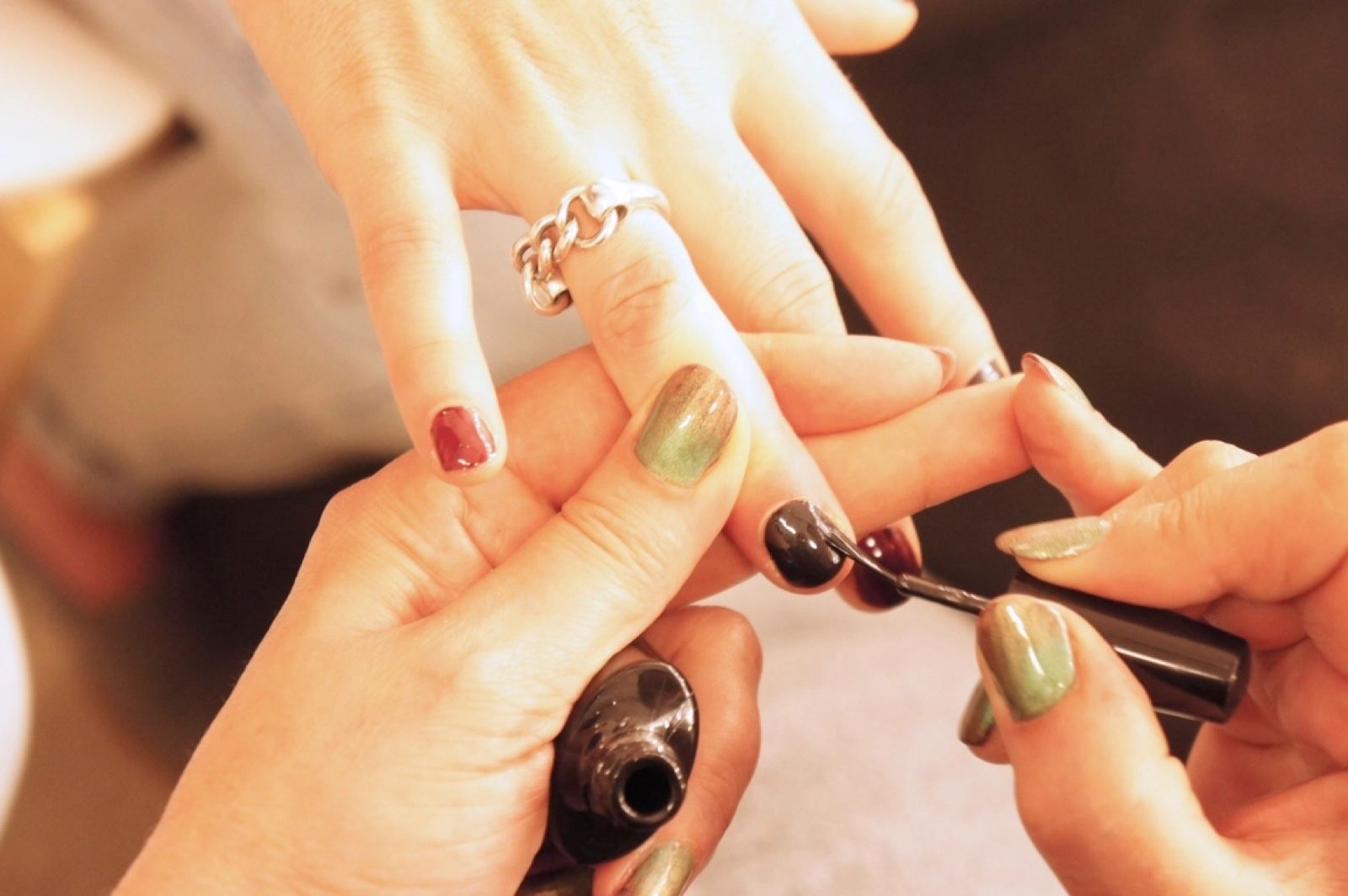
Why Press-On Nails Look Bulky at the Cuticle: What a Brand Should Check Before Approving a Set
A bulky cuticle join can ruin an otherwise right-size press-on. What to check — raw edge, finished design, and adhesive — before approving a set, so the back of the tip reads clean.
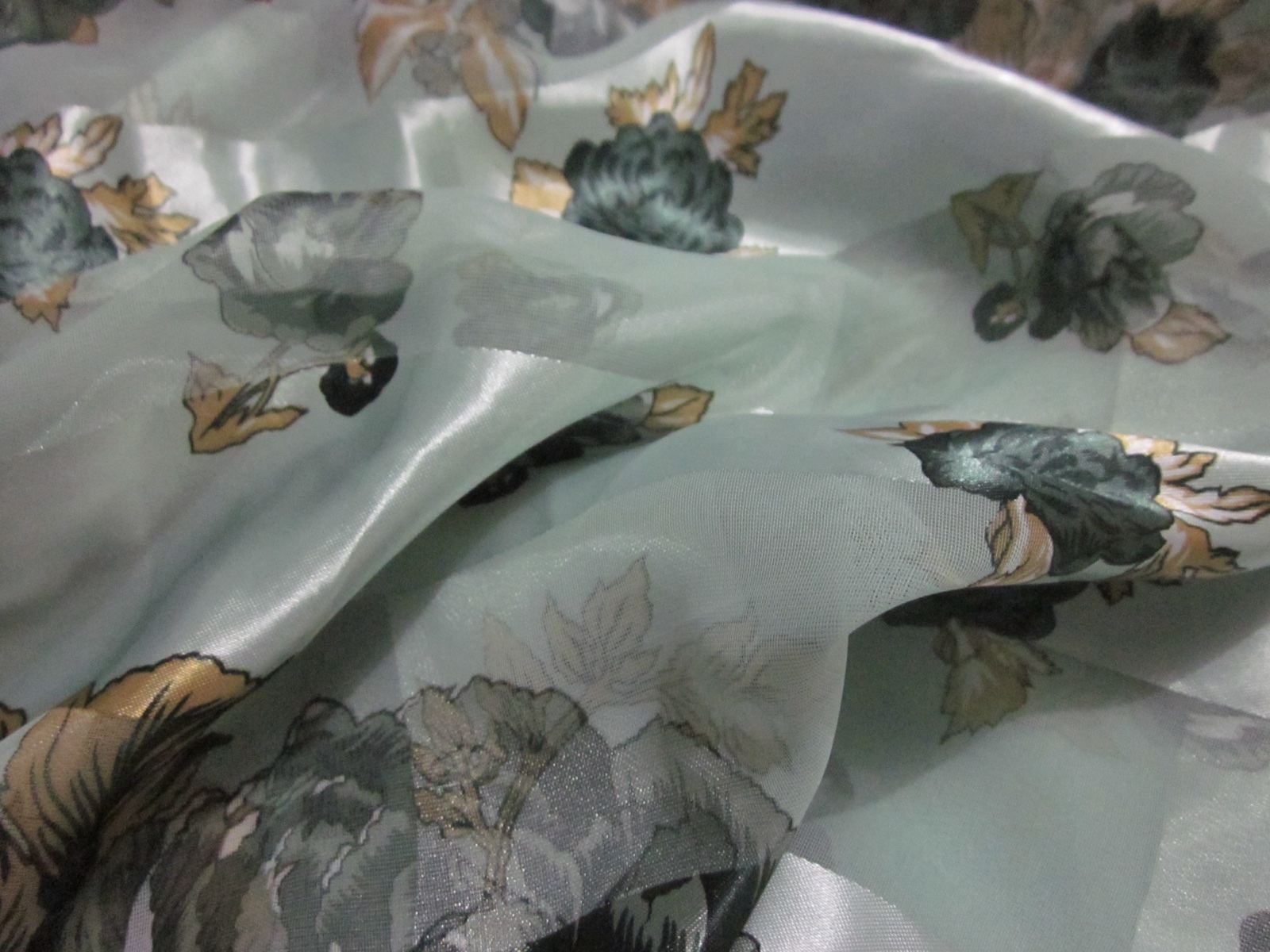
How to Buy a Sleep Scarf That Stays Tied: Check Shape, Tie Length, and Edge Finish
A sleep scarf stays on only when shape, tie allowance, knot position, edge finish, and fibre content work together. Here is how to check each before you buy — and how to brief a factory.
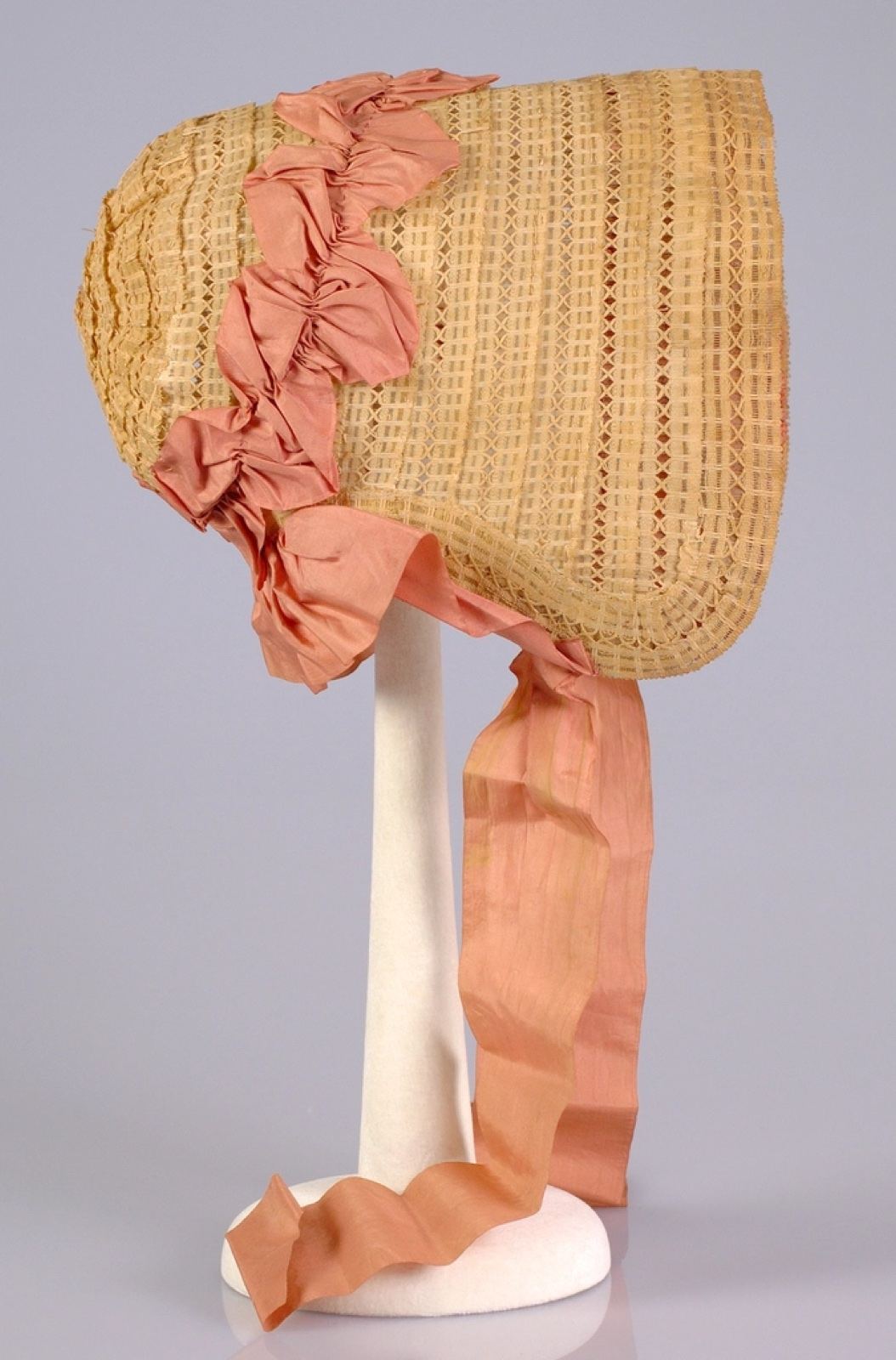
When a Sleep Bonnet Feels Too Hot: A Buyer and Sample-Test Checklist
A hot bonnet is a construction problem, not a fabric word. Check layer count, enclosed hair volume, closure position, and where fabric gathers — for shoppers and for sample testing.
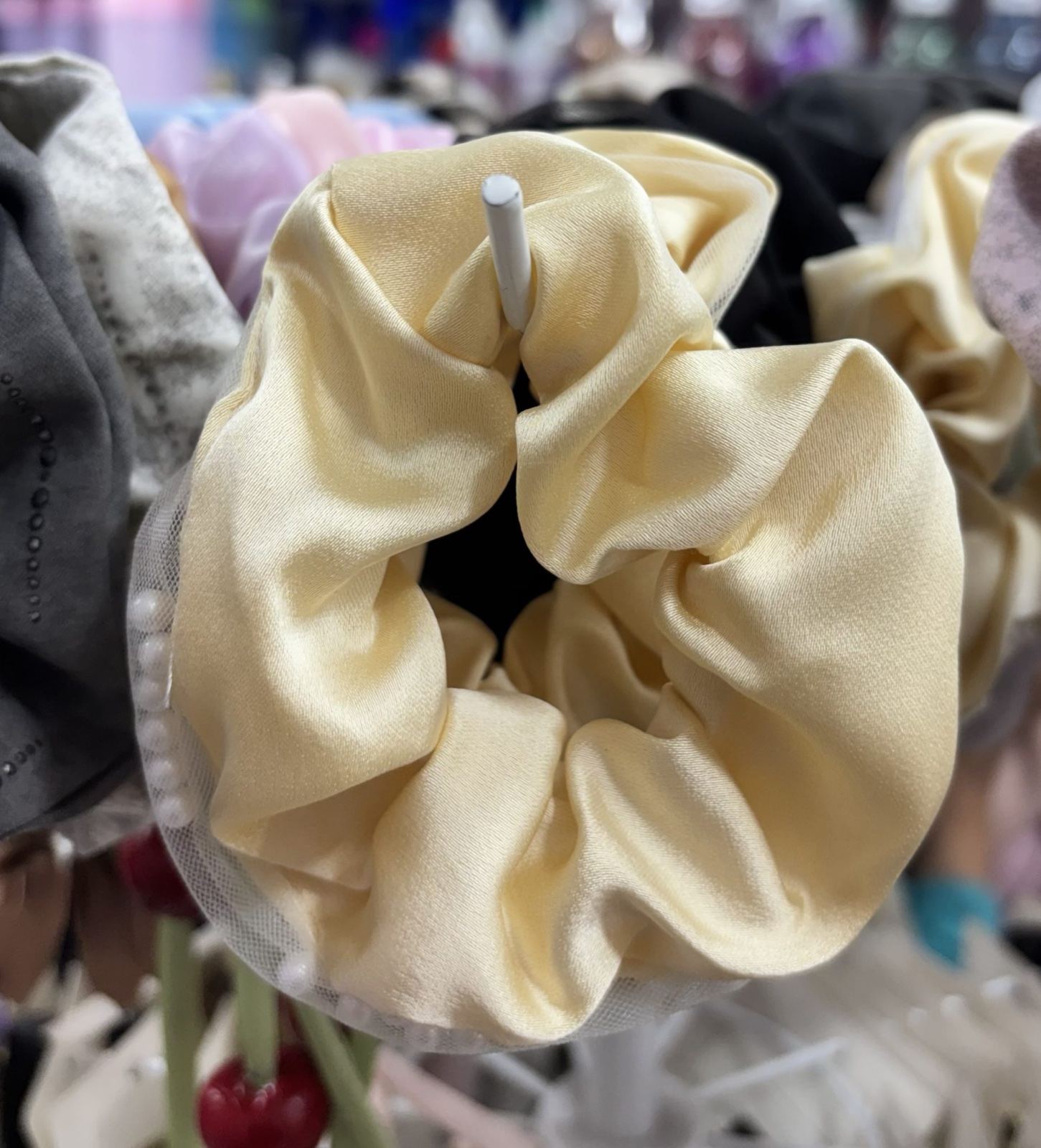
Why Silk Scrunchies Go Loose: 6 Checks Before You Replace One
A scrunchie is a fabric-covered elastic system. Six checks — relaxed loop size, working stretch, the elastic core, the casing seam, style, and care — tell you when it has actually gone loose.
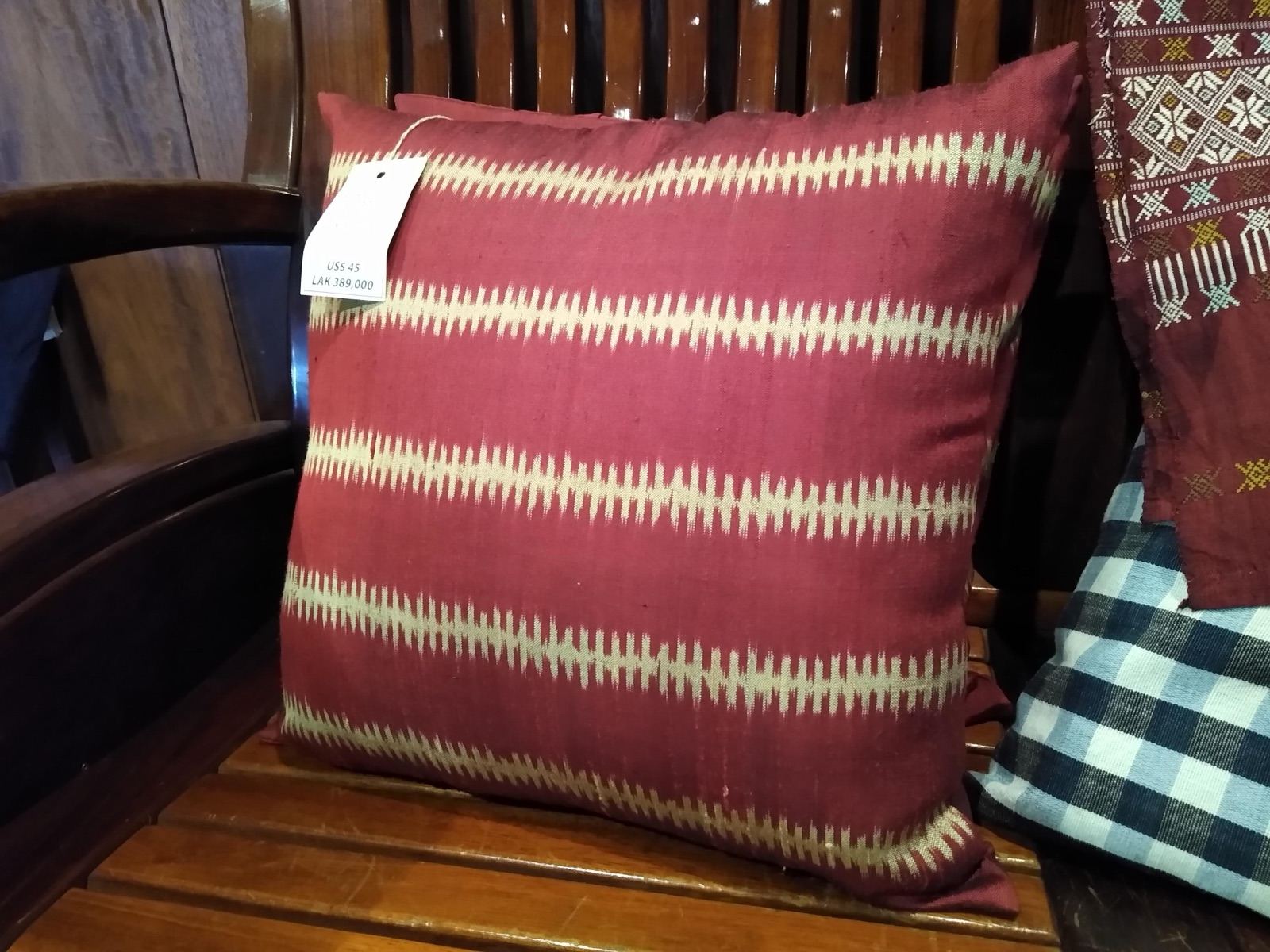
Zipper or Envelope? 7 Satin Pillowcase Checks Before You Buy
The closure is part of the product. Seven checks — size, overlap, zipper placement, seam, comfort, care, and the sourcing brief — help you pick a satin pillowcase that actually stays on.
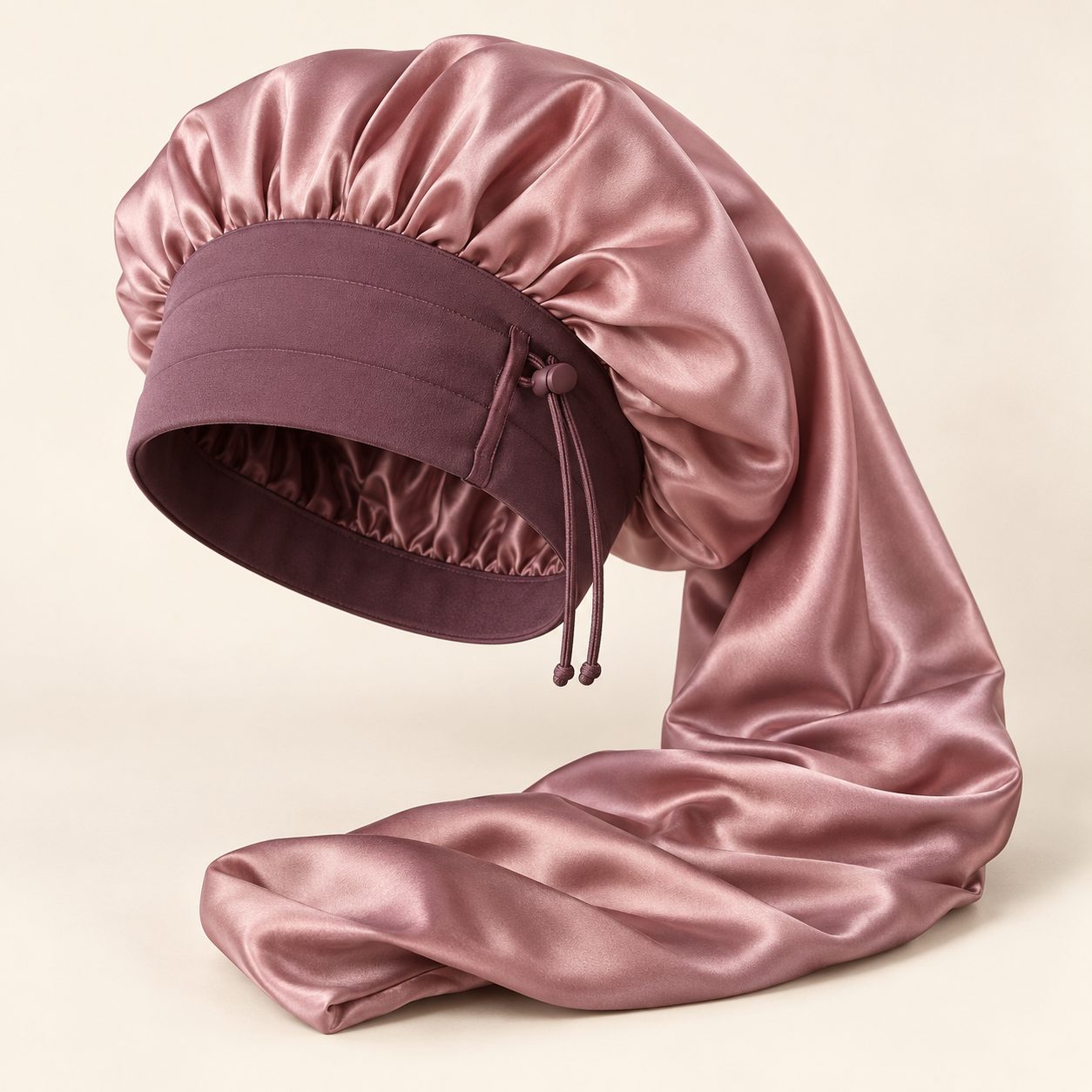
Why Adjustable Bonnets Still Slip: 6 Closure Checks Before You Buy
Six practical checks for bonnet closure type, tension, adjustment range, comfort, and sample approval.
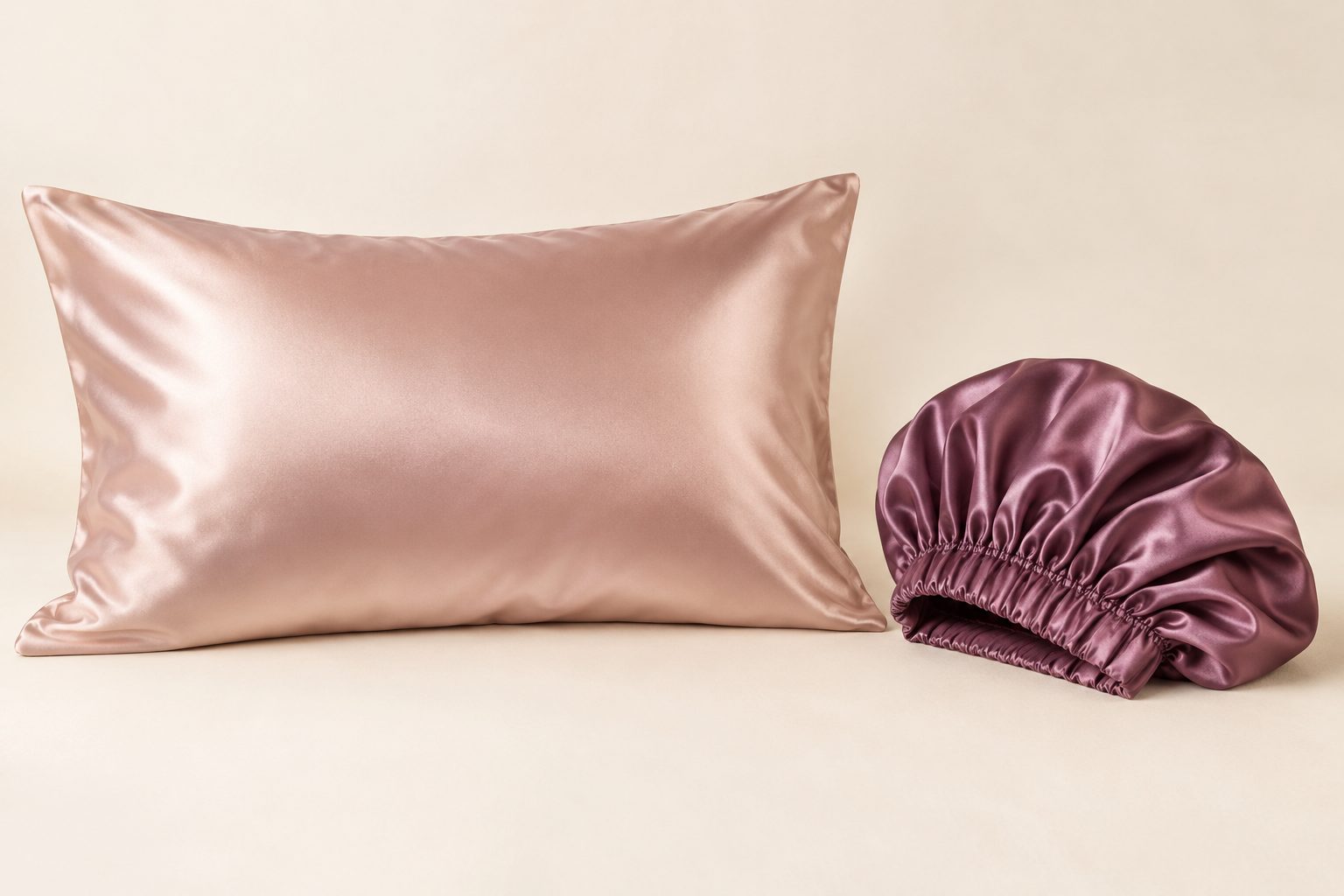
Bonnet or Satin Pillowcase? Choose a Sleep Setup You Will Actually Use
A decision framework for choosing a bonnet, satin pillowcase, or combination based on hair containment, comfort, fit, and routine.
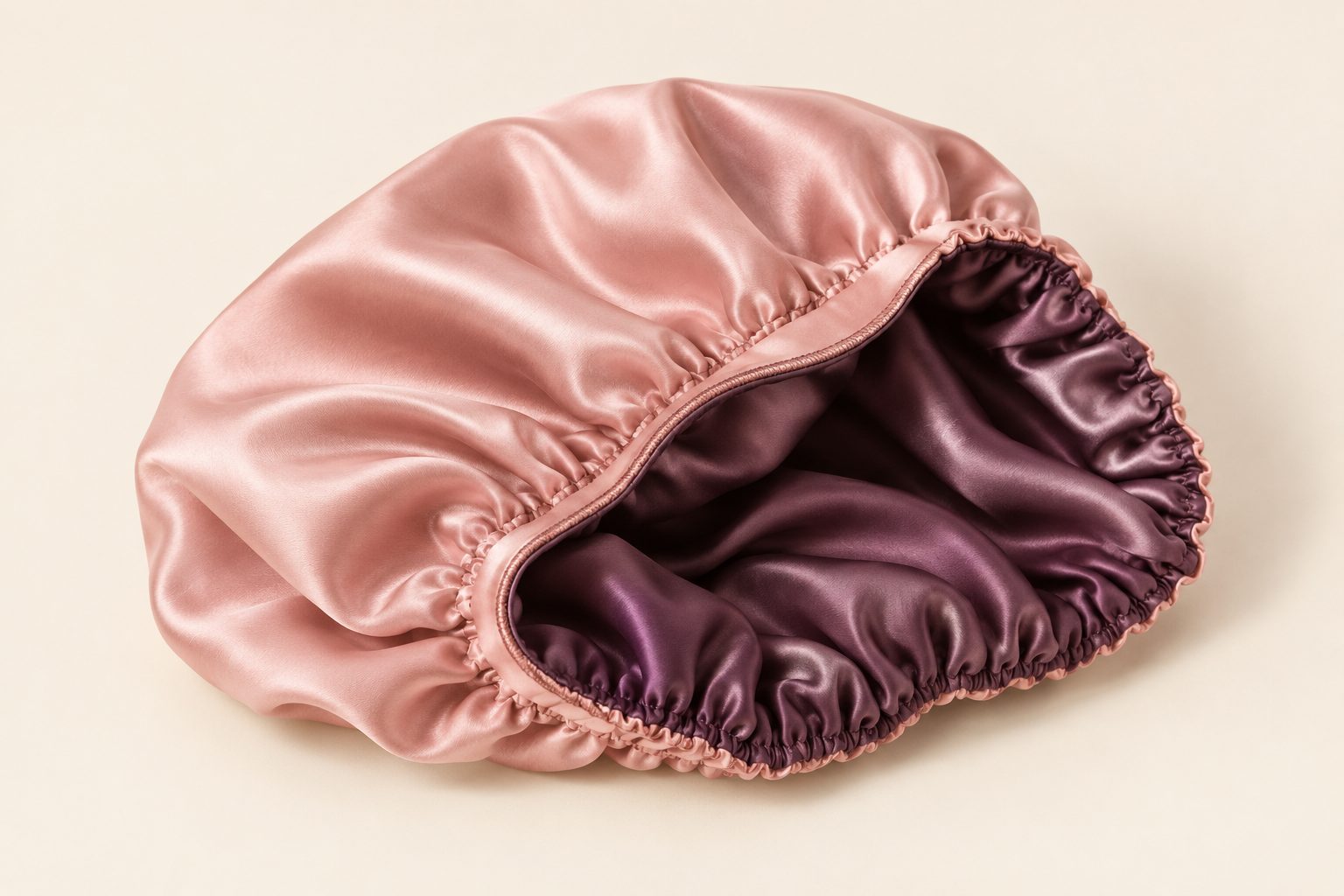
Double-Layer Bonnets: What to Check Beyond “Reversible”
How to evaluate layers, reversibility, hair-facing surfaces, seams, closure design, and product claims.
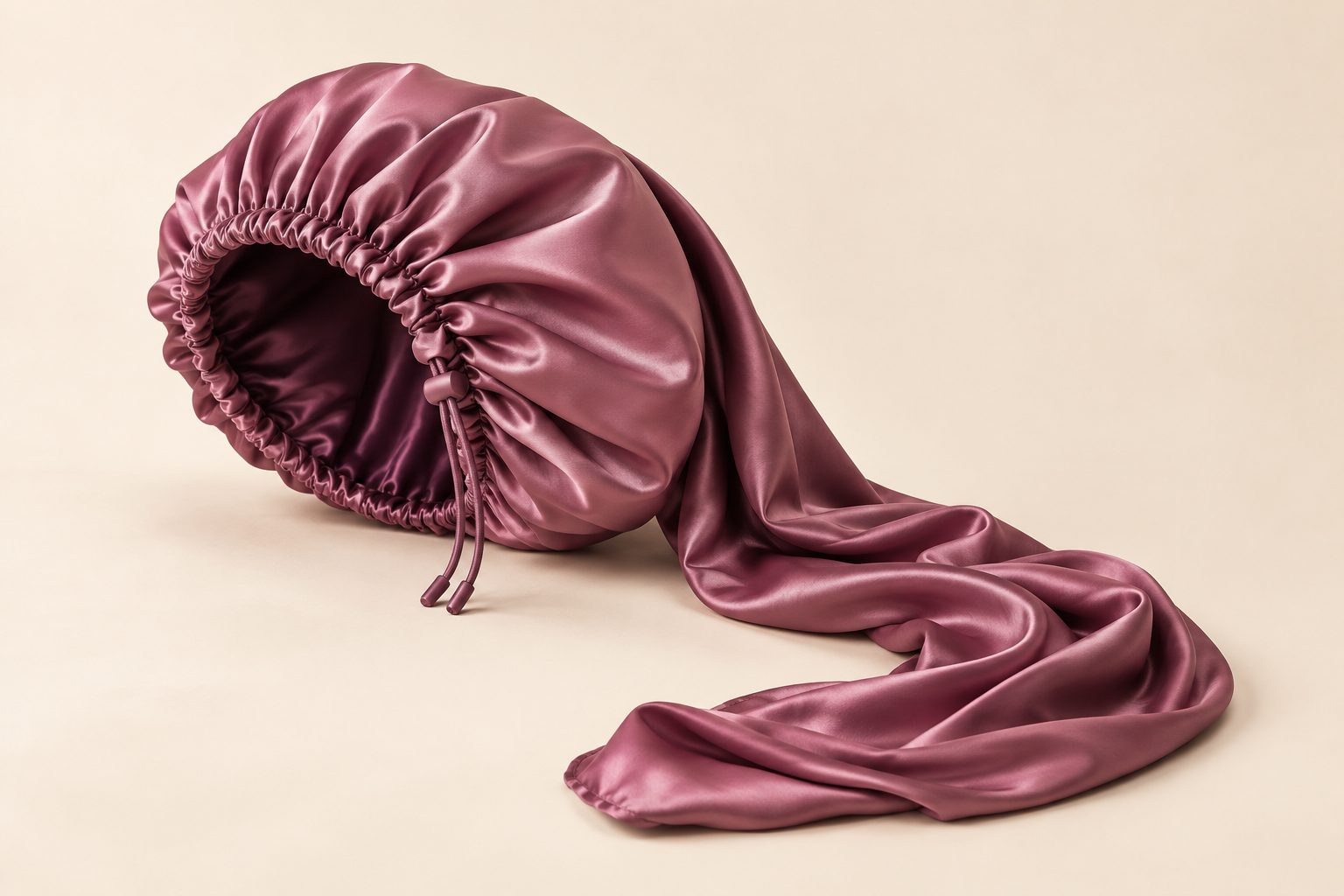
The Long-Braid Bonnet Buying Guide: Measure Length, Volume, and Opening Before Ordering
How to compare bonnet length, hair volume, opening control, closure design, and fit before ordering.
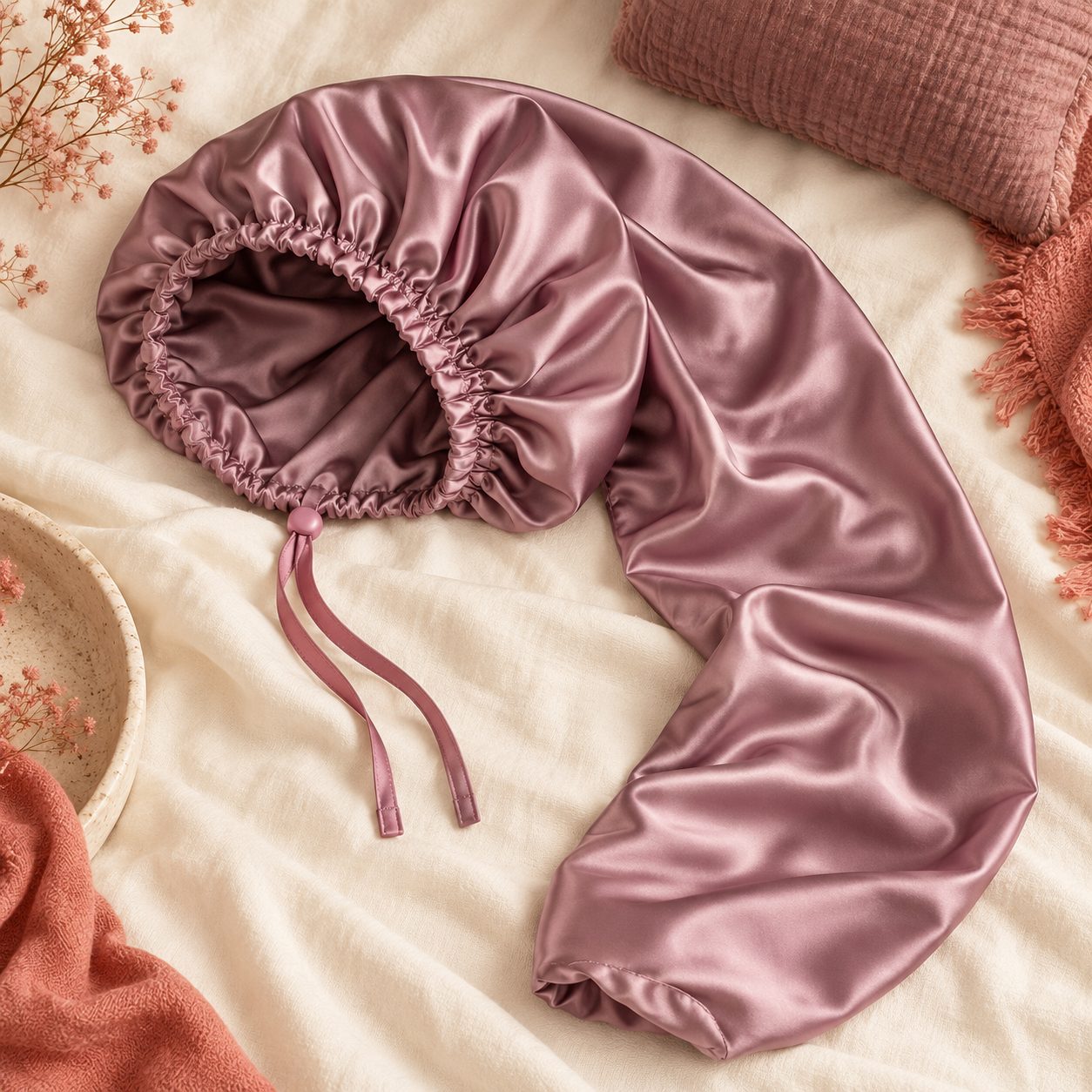
Why Standard Sleep Bonnets Fail Long Braids—and What a Better Product Must Solve
How to evaluate capacity, opening control, comfort, closure design, and material claims for long-braid sleep bonnets.
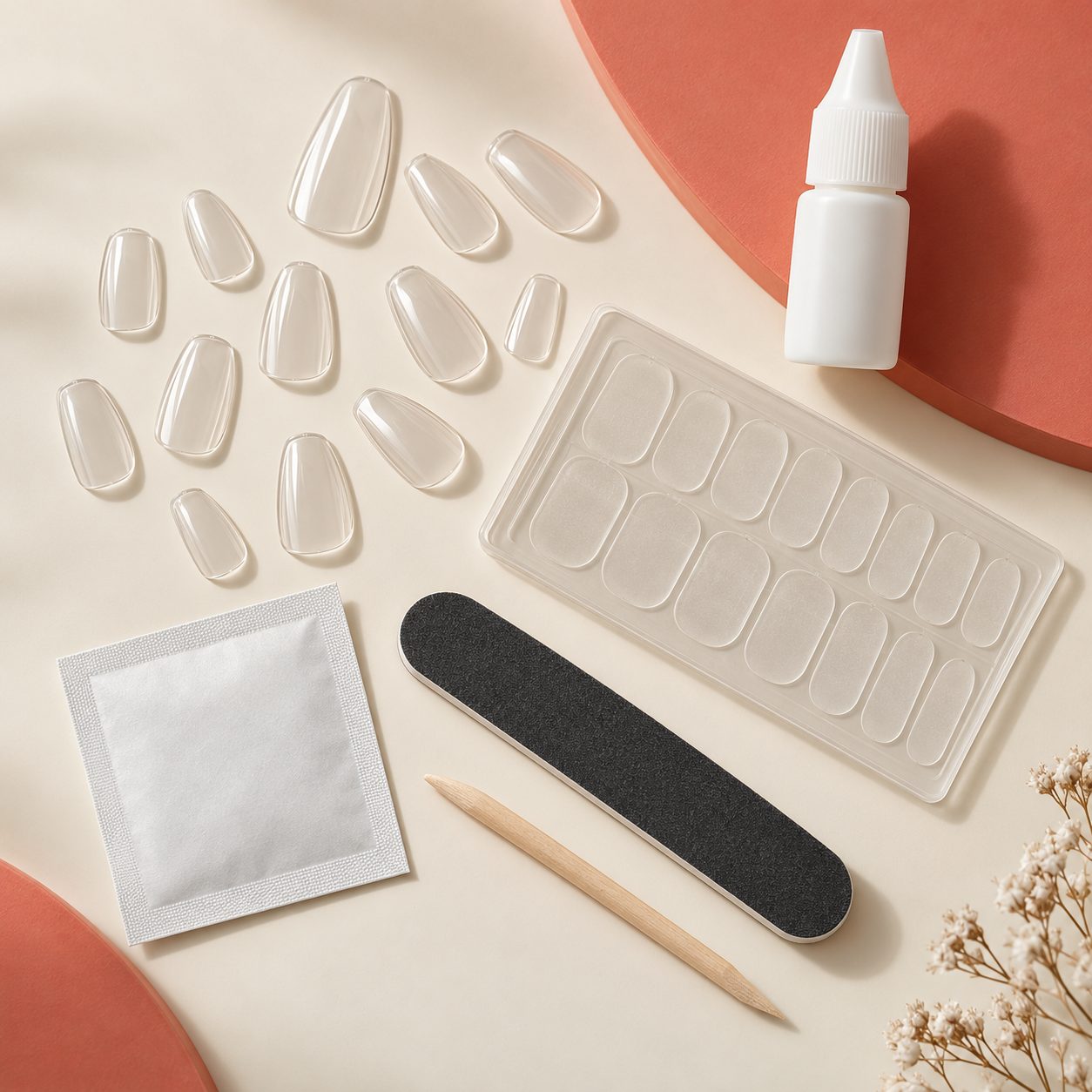
The Best Press-On Nail Application Kit: Glue, Tabs, and Prep Tools for Different Wear Plans
How to match glue, adhesive tabs, prep tools, and instructions to different press-on nail wear plans.
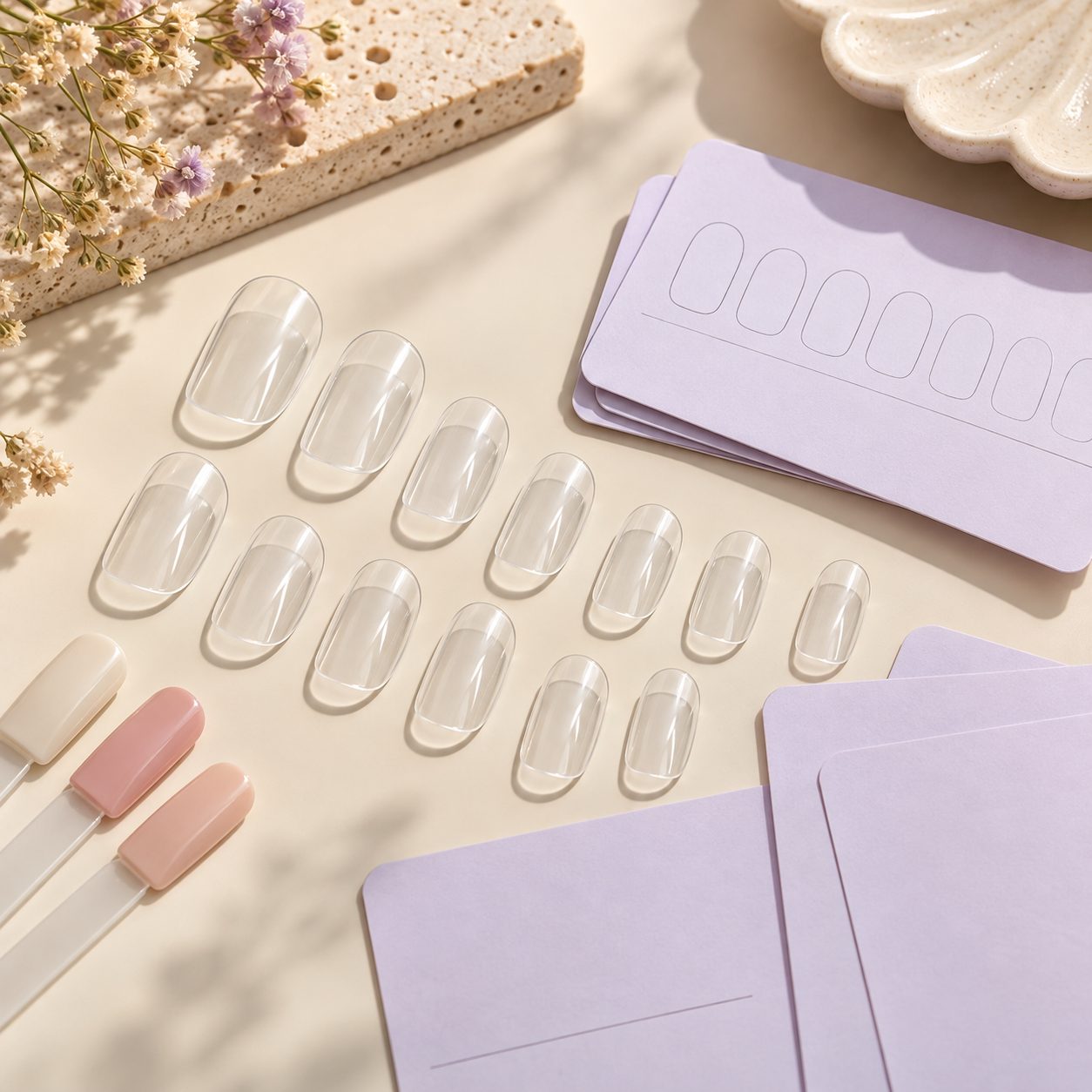
How to Turn Press-On Nail Fit Feedback Into a Better Sizing Specification
How to turn customer fit feedback into a clearer press-on nail sizing, mould, assortment, and instruction specification.
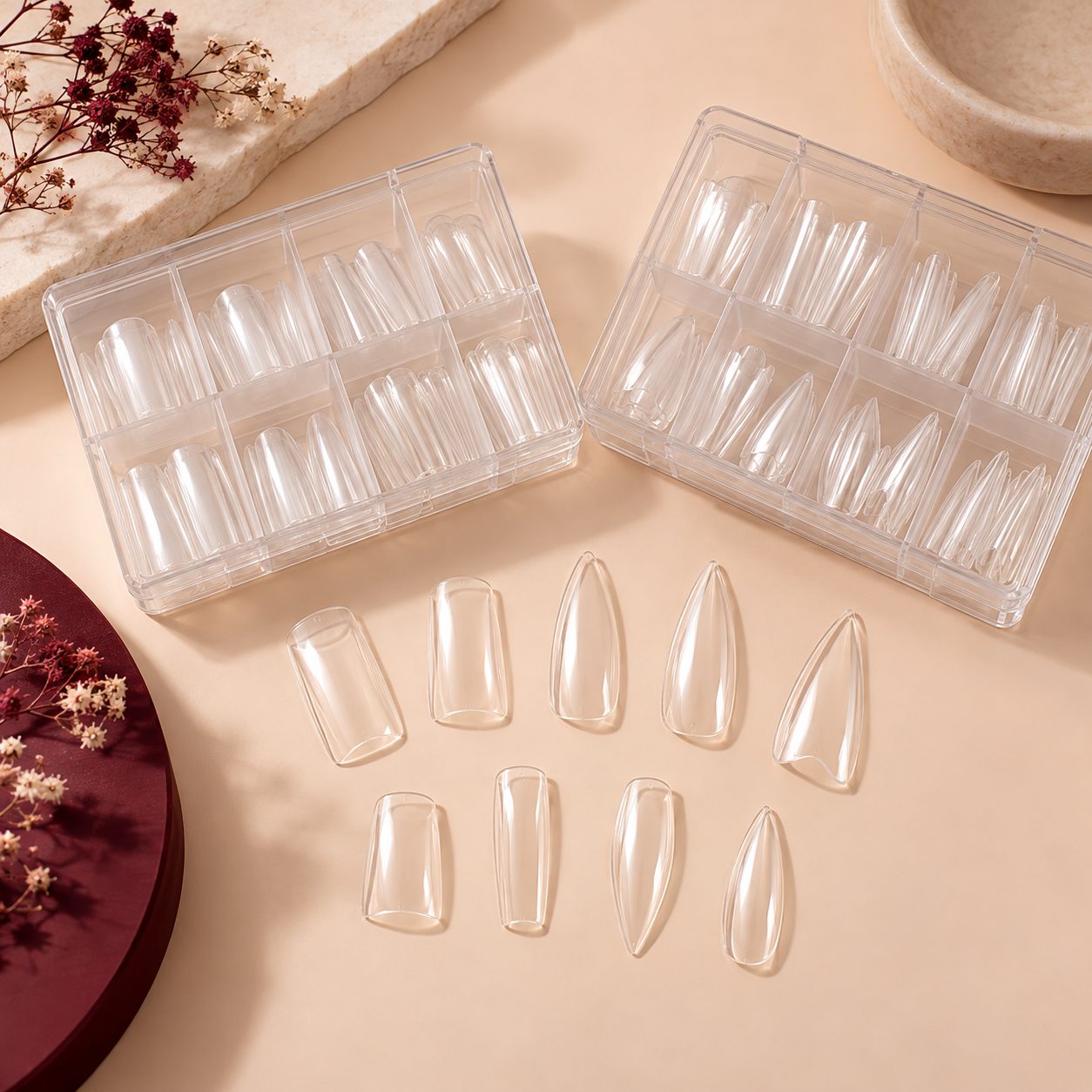
A 6-Part Press-On Nail Replacement Policy for Small Brands
A six-part replacement policy framework for missing, damaged, ill-fitting, worn, or lost press-on nails.
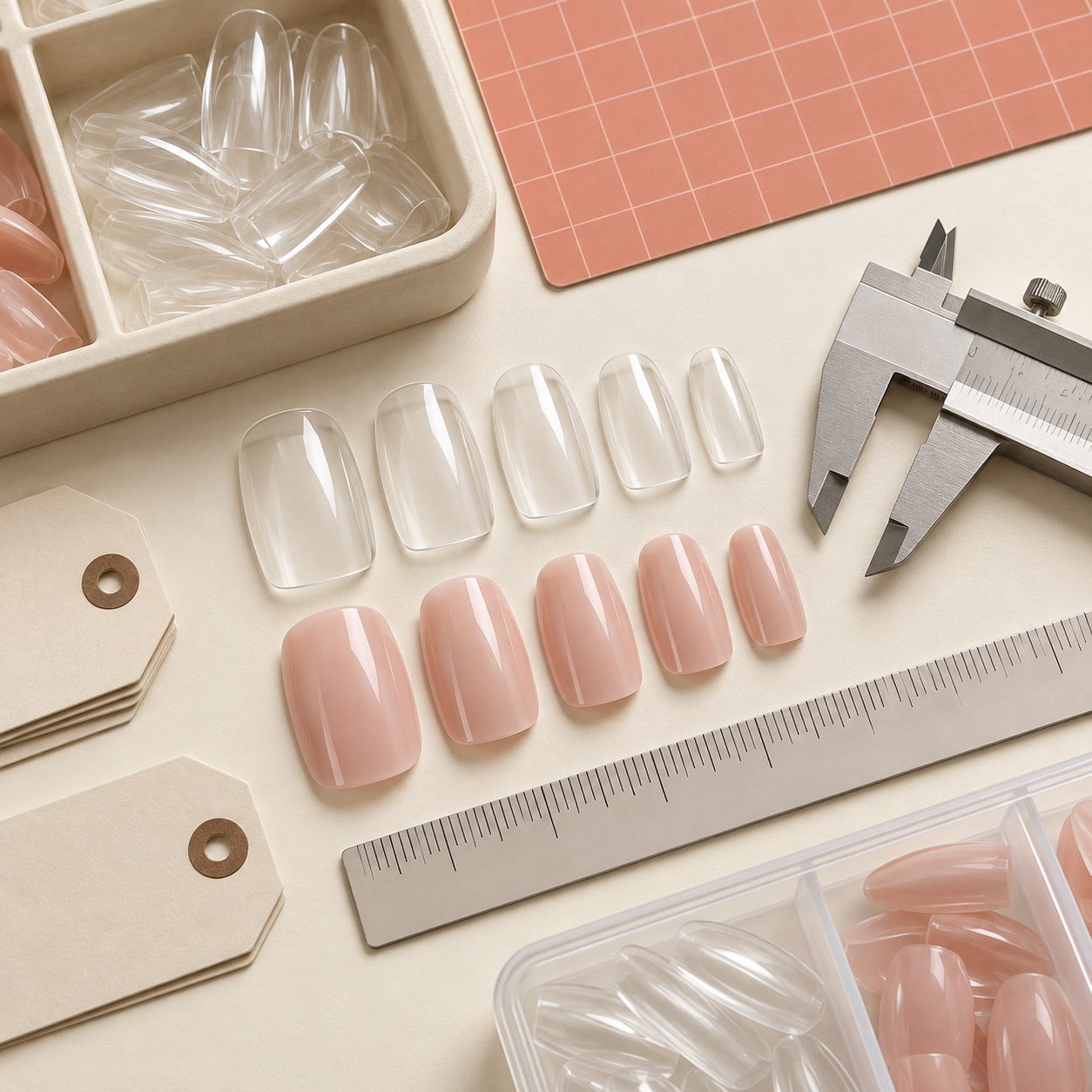
Why a Press-On Nail Sample Is Not Enough to Approve Production
How to turn a press-on nail sample into a versioned production approval record before placing a bulk order.
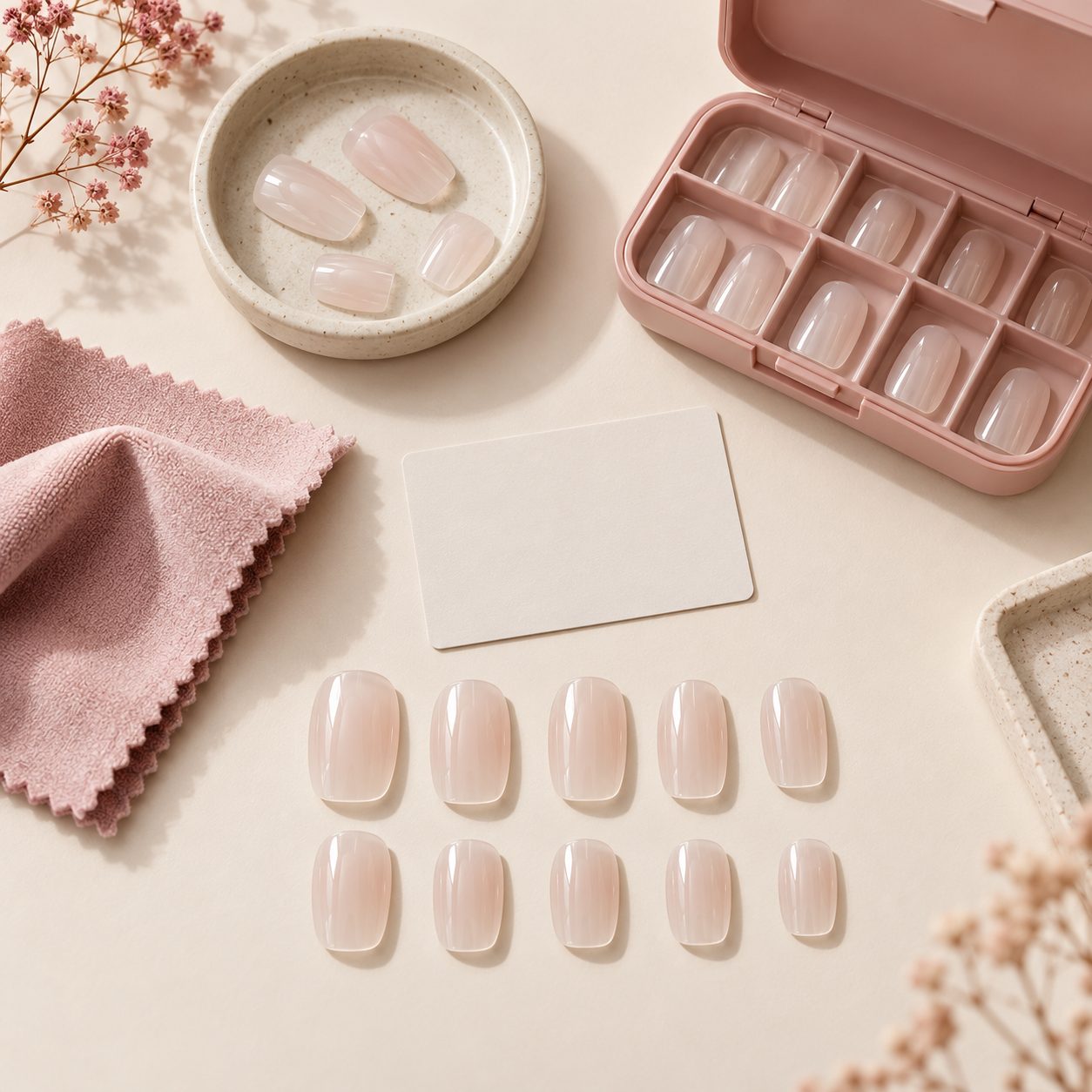
When Is a Press-On Nail Set Ready to Rewear? A Seller’s Reuse Checklist
A practical checklist for deciding whether a press-on nail set is clean, intact, comfortable, and suitable to rewear.
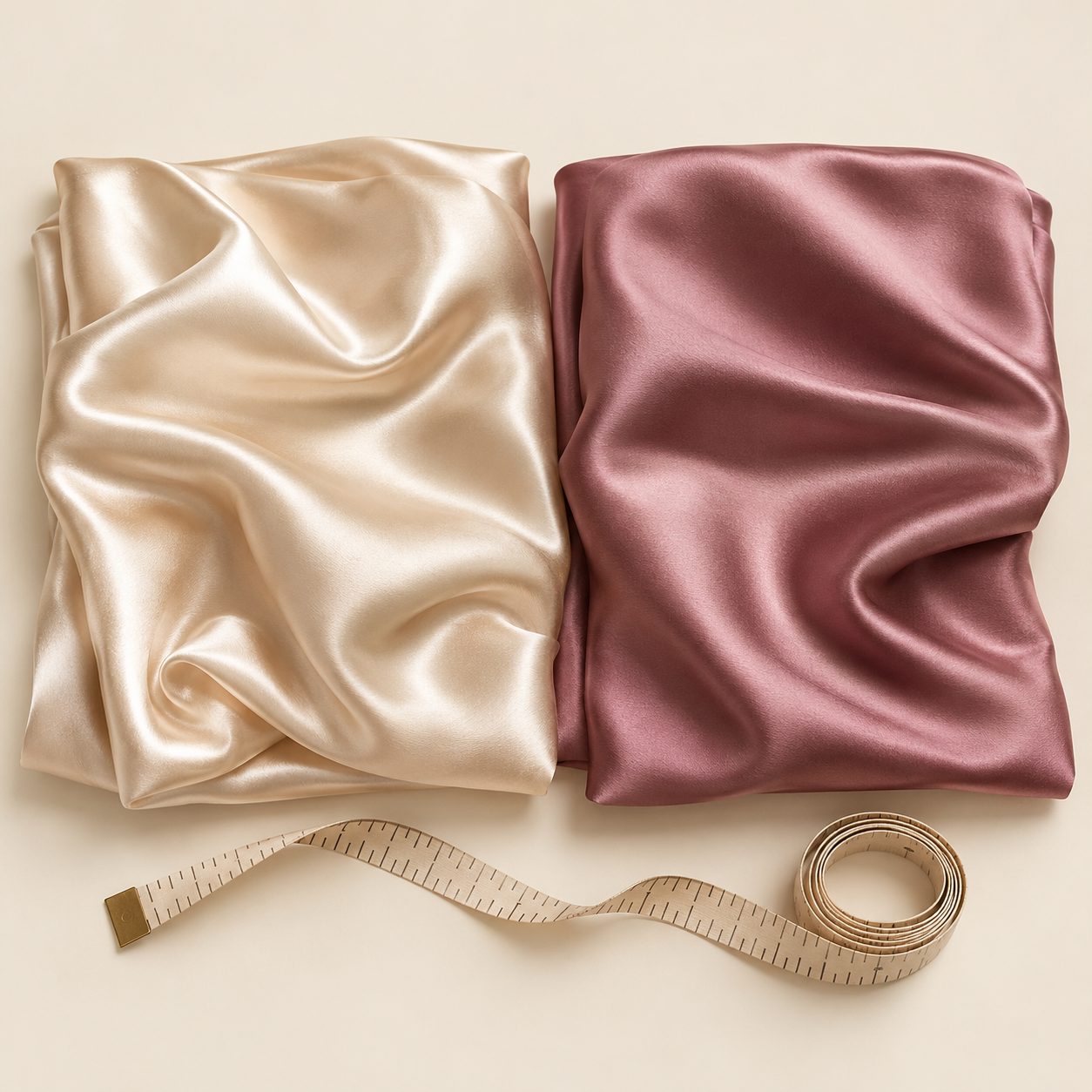
Silk or Polyester Satin? How to Read a Bonnet Material Claim Before You Buy
How to compare silk, polyester satin, fibre claims, care labels, and supplier wording before buying or sourcing a sleep bonnet.
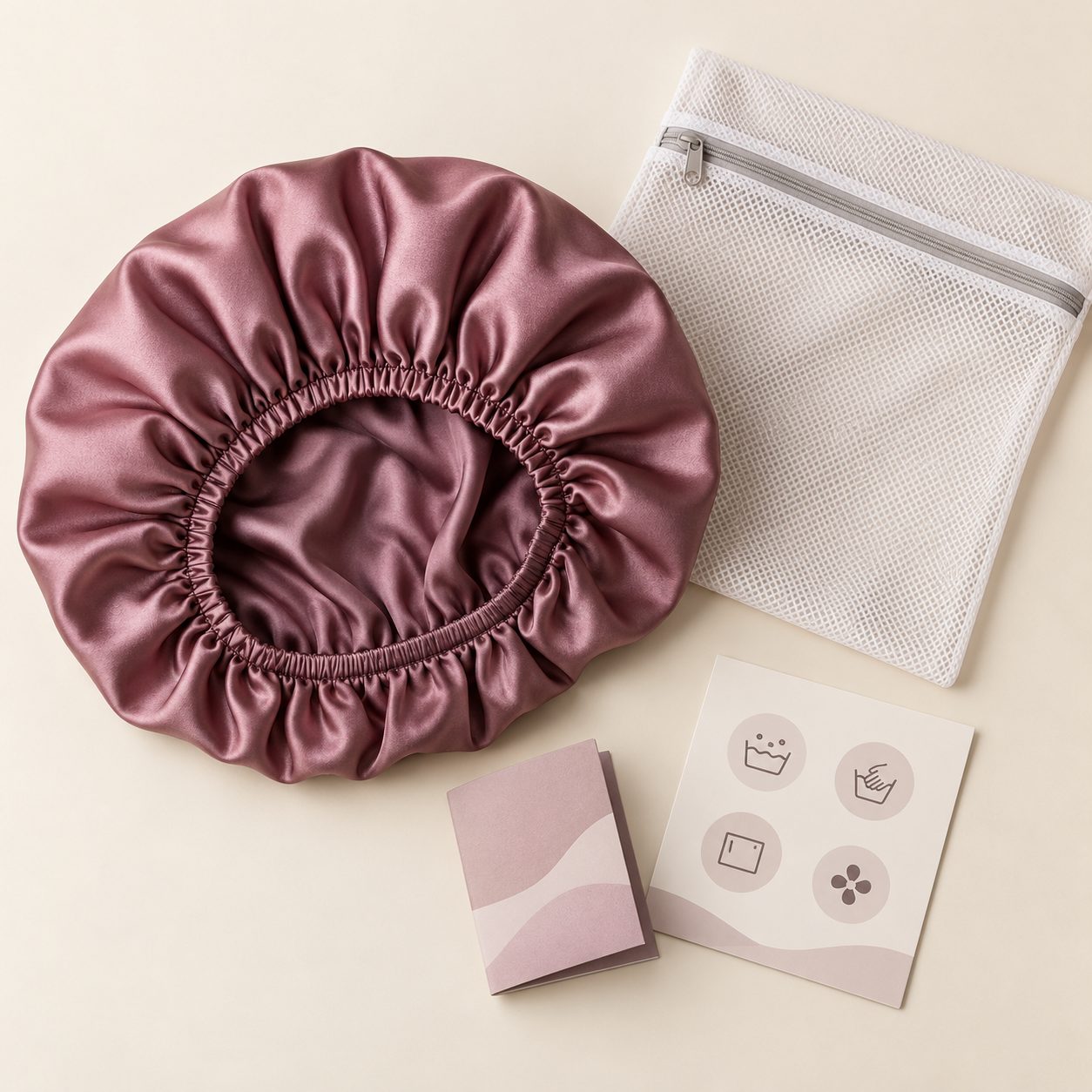
How to Wash a Satin Bonnet Without Losing Its Fit: A Care-Label Checklist
A practical care-label checklist for washing, drying, closures, elastic, trim, and repeatable bonnet care instructions.
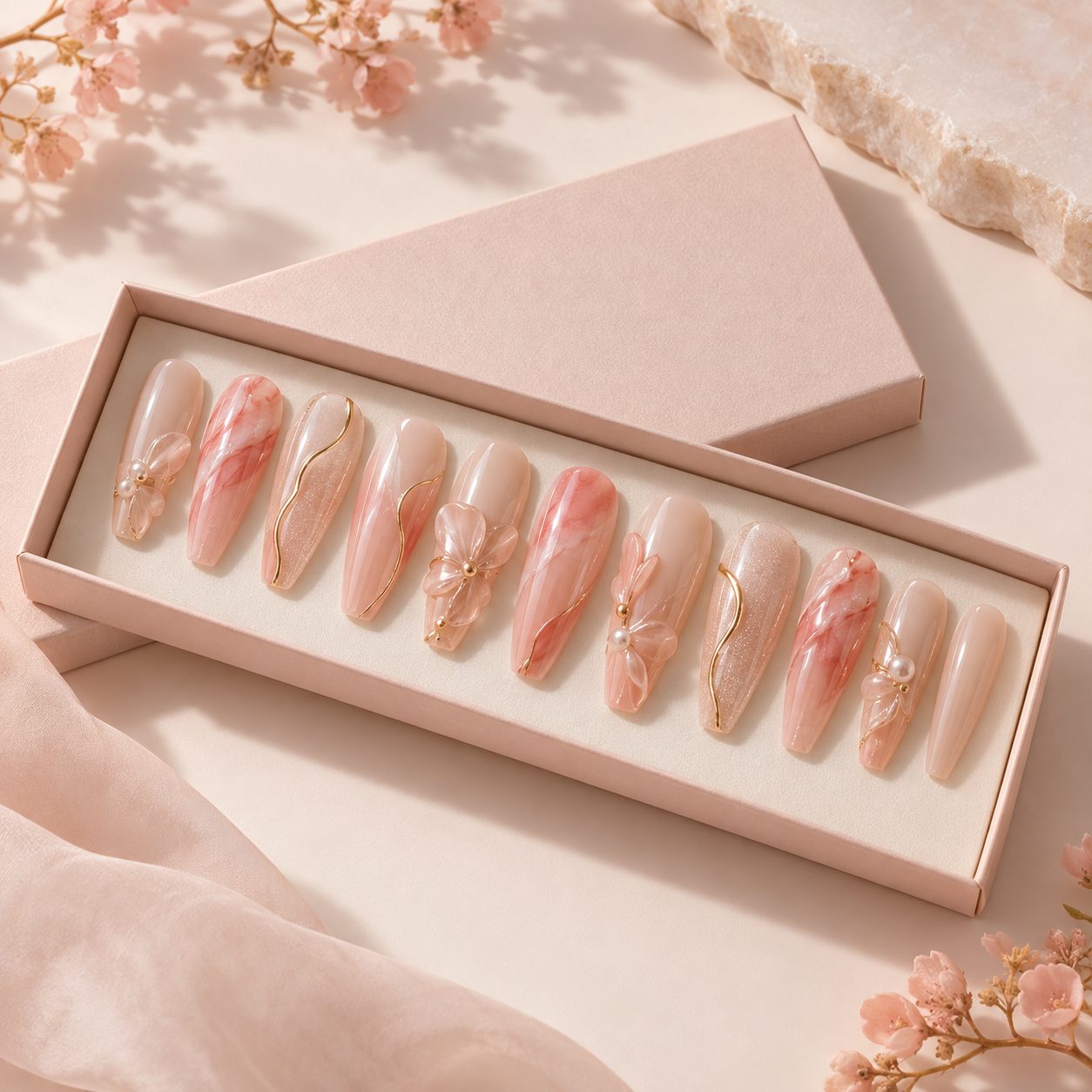
What Long and 3D Press-On Nails Need From Their Packaging
How to specify length, height, retention, surface protection, and transit testing for long and 3D press-on nail packaging.
7 Press-On Nail Batch Checks to Run Before You Pack Orders
A repeatable receiving checklist for checking press-on nail identity, dimensions, finish, decoration, retail contents, packaging, and batch records.
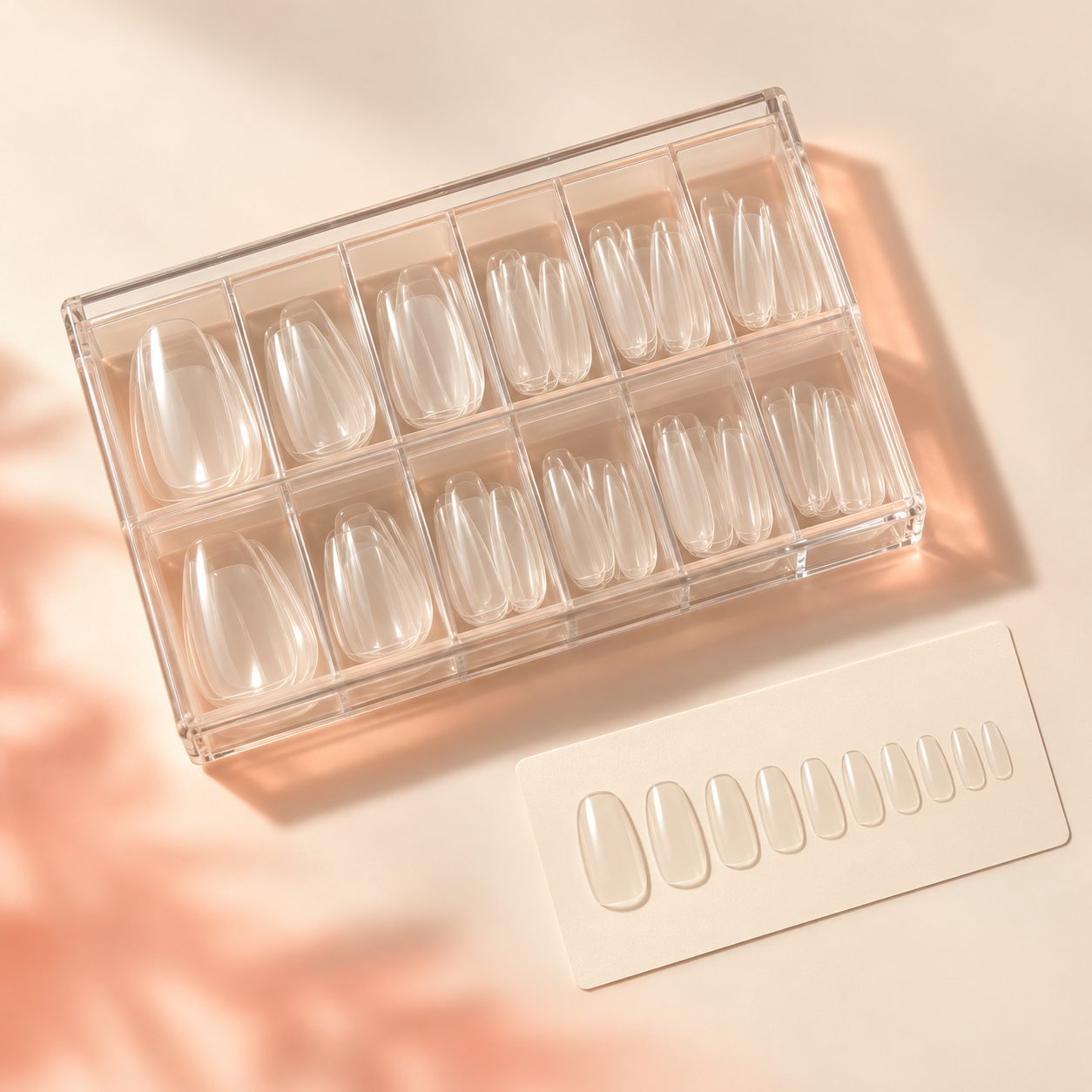
The Complete Press-On Nail Sizing Kit Guide: What Must Match Your Final Set
A practical guide to matching a press-on nail sizing kit with the final mould, material, labels, instructions, and finished set.
Why the Same Press-On Nail Size Can Fit Differently: A Pre-Order Sourcing Checklist
A size 0 is not a universal product specification. Use this pre-order sourcing checklist to compare moulds, measure inside width, and test the thumb before you commit to decorated stock.
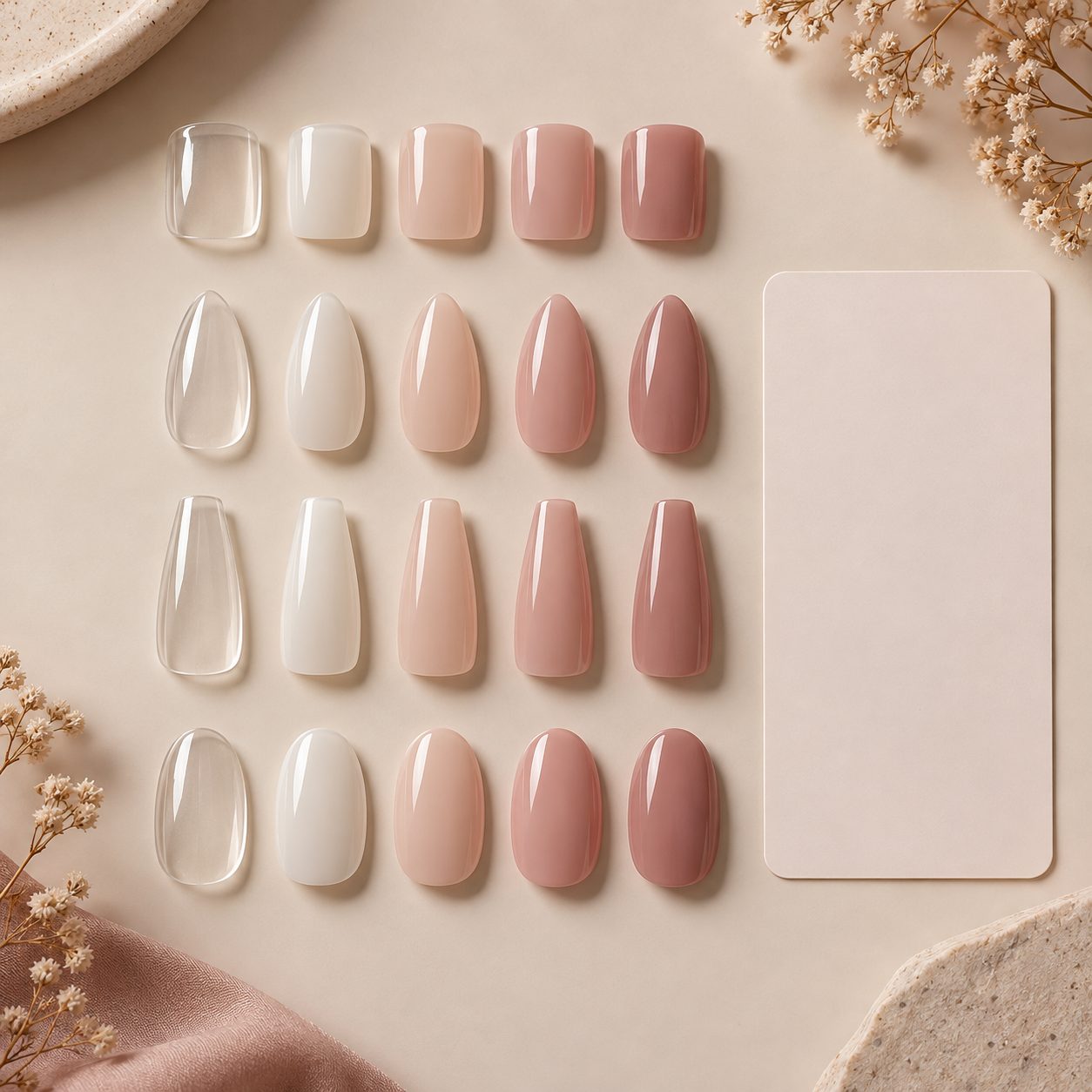
How to Build a Press-On Nail Size Chart for Each Shape and Mould
A size chart is the working connection between customer measurements, your mould, your sizing kit, and every reorder. Build one chart per shape-length-mould combination.
Single-Size Refill or a Full Box? 7 Questions to Ask a Nail-Tip Supplier
Most press-on nail sellers do not run out of tips evenly. Ask these 7 questions before deciding between a single-size refill and a full box.
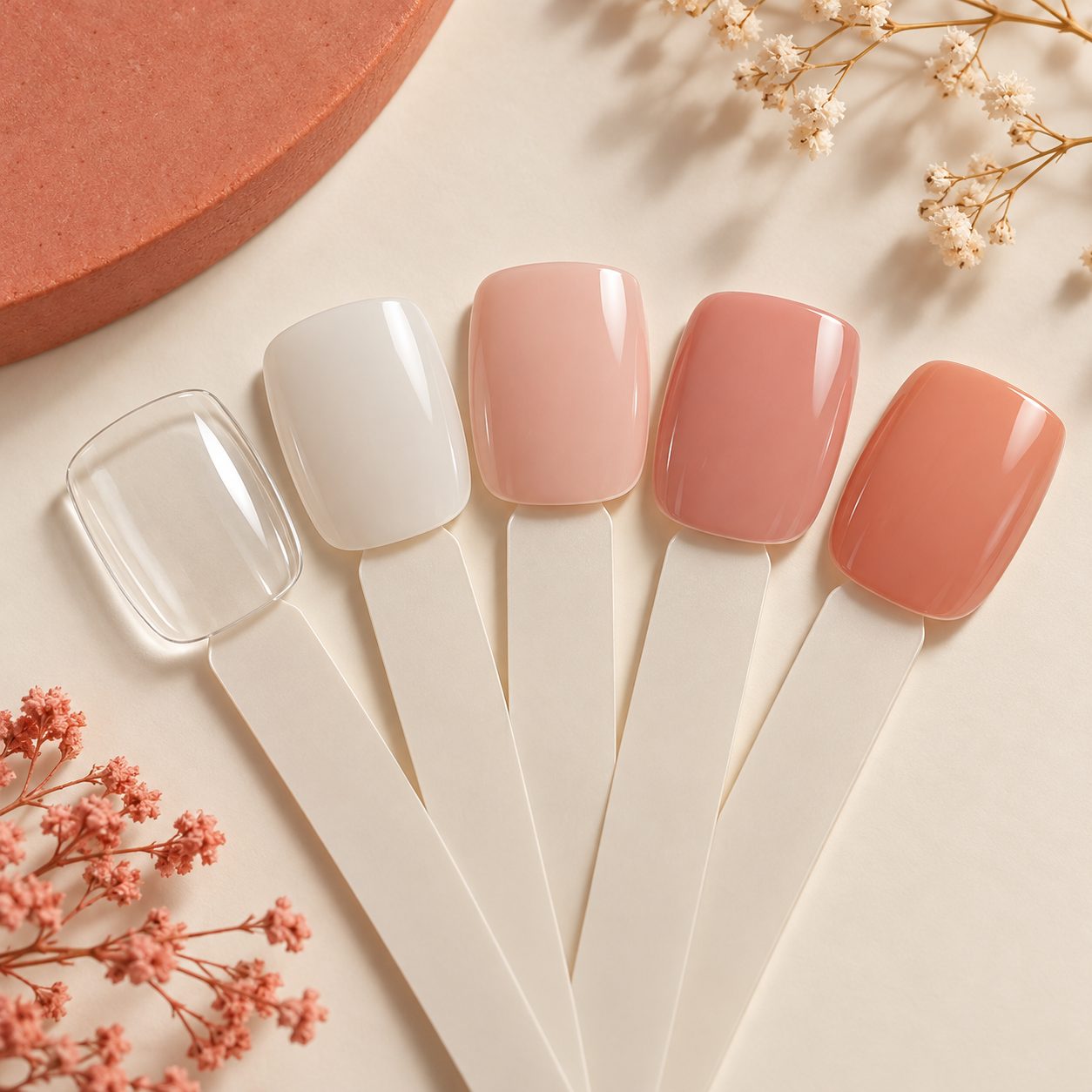
How to Sample Press-On Nail Tips for Wide Thumbs: 5 Measurements to Verify Before Ordering
A wide thumb is one of the fastest ways for a press-on size system to fail. Use these 5 measurements to make a sample decision repeatable before you order.